

Lifelong Learning Master's Degree in Urban Design for Healthy Cities


Home
- Type of programme
- Lifelong Learning Master's Degree
- Campus
- Campus Barcelona
- Duration
- between 01-10-2026 and 30-09-2027
- Credits
- 60 ECTS
- Schedule
- October 2025 - September 2026. Monday to Friday from 10am to 6pm
- Language
- English
- Places
- 15
- Modality
- On site
Discover the Master's that brings together urban design, health and sustainability
The Lifelong Learning Master's Degree in Urban Design for Healthy Cities prepares you to design healthier, more sustainable and people-centred urban environments. Through an interdisciplinary approach, you will learn to integrate urban design, health, the environment, society and technology to address the major challenges facing today's cities.
Barcelona will become your urban laboratory: you will work on real-world case studies, apply innovative solutions and learn alongside international professionals and experts, turning knowledge into projects with real impact.
Reasons to study this master’s degree
- A Unique Programme
Learn urban design for healthy cities in Barcelona, an international benchmark where innovation, urban culture and the Mediterranean lifestyle become a living learning laboratory.
- A 360º Vision of Urban Design
Develop a holistic approach to urban design by integrating social, cultural, environmental and economic perspectives to create healthier and more sustainable cities.
- Methodology: Learning by Doing
Apply your knowledge to a real case study in Barcelona through an interdisciplinary workshop with personalised guidance and innovative teaching methods.
- International and Multidisciplinary Environment
Study alongside students and faculty from different countries and disciplines, building a valuable professional network and gaining a global perspective on urban design.
- High employability
Specialise in one of the most in-demand professional profiles for public administrations, companies and architecture firms addressing the urban challenges of the 2030 Agenda.
- Barcelona: A Living Urban Laboratory
Study in one of the world's leading cities for urbanism, health and sustainability, using Barcelona as a living laboratory to analyse and design real-world solutions.
Testimonials
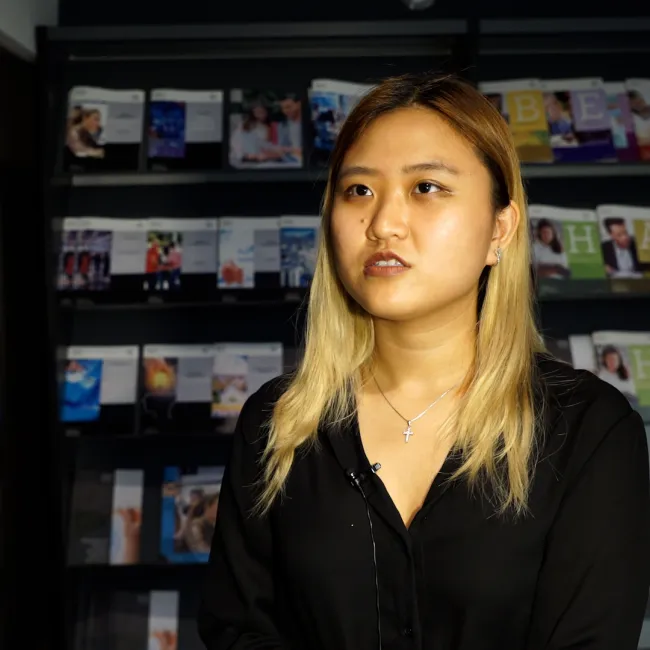
This master’s degree taught me the importance of urban design in evaluating the health system, which is an aspect we can justify using in every project. In all our projects, we can include a healthy city as one of the significant indicators. No other master’s degree provides this.
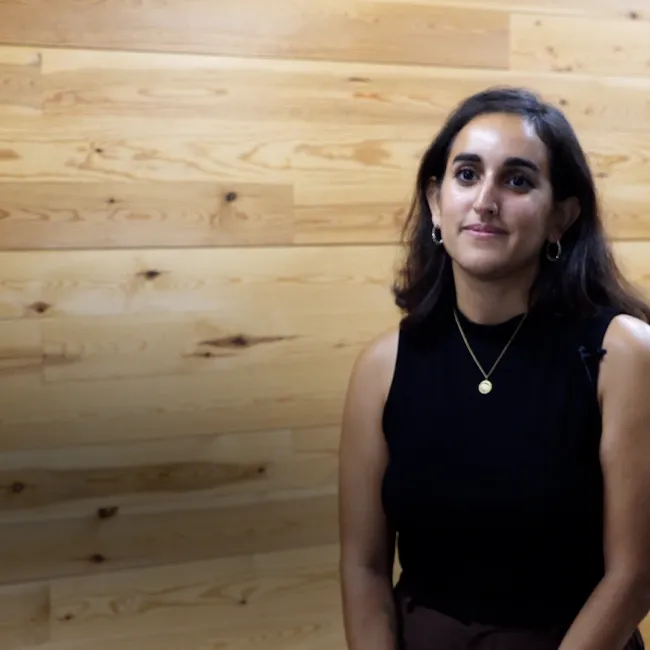
This master’s degree has brought to me a new perspective on the world around me, especially the city of Barcelona. I look at the city of Barcelona in a different way and I always look at every place that I go with a new pair of eyes. I think about questions like ‘How could this place be better? How is it working? How isn't it working?’
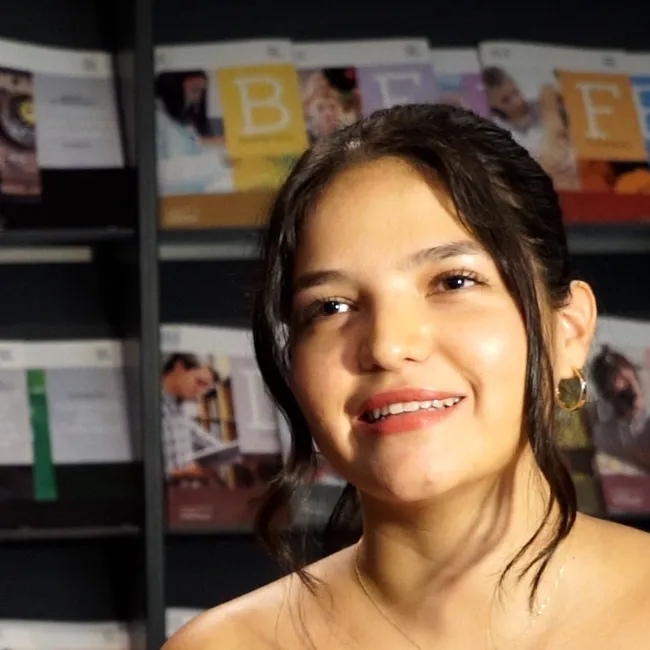
I would recommend this master’s to people who are interested in design and architecture. I feel that this is an important area which we should develop in the future. I feel that this master’s is very focused on the 21st century, which I think is very important.
Industry Partners




Discover what makes this Master's stand out
Do you want to design the healthy cities of the future?
Other similar studies
- Lifelong Learning Master's Degree in Architecture and Design Business Management
- Lifelong Learning Master's Degree in Biodigital Architecture
- Lifelong Learning Master's Degree in Urban Resilience for Sustainability Transitions
- Master of International Cooperation in Sustainable Emergency Architecture
- Postgraduate Degree in Global Creative Management
- Postgraduate Degree in Marketing & Sales for Creative Enterprises
Presentation
Although public health and urban planning share common objectives, they have remained independent disciplines over the past century. Increasing concern about the environmental and health emergencies have triggered a wider debate on the need to integrate both fields, and the combination of urban design and health has gained ground in recent years.
Against this backdrop, the Master’s degree in Urban Design for Healthy Cities offers a programme aimed at architects and urban planners, both recent graduates and experienced professionals, who want to expand their knowledge in sustainable urban design while focusing on the well-being of citizens.
The principles of well-being and sustainability are studied here in a combined way, in theoretical and practical blocks.
Achieving healthier and more sustainable urban environments is one of the SDG included in the 2030 Agenda for Sustainable Development. Combining health and sustainability criteria in urban design and planning is needed to mitigate climate change and improve people's well-being. This master’s degree programme seeks to respond to this global challenge by placing citizens at the heart of urban transformation projects.
Nowadays, a wealth of research focusing on the assessment of the impact of environmental factors on public health is available. However, a structured body of knowledge on concepts, tools and methods to support urban design solutions adapted to each context is lacking. The general goal of this master’s degree programme is to fill this gap by exploring and discussing specific solutions based on real cases. Barcelona offers multiple opportunities to learn about urban design and planning linked to health and sustainability. Practitioners in charge of working on significant examples of this will participate in the course.
Take a Look Inside the Master's
Objectives
- To provide a conceptual and methodological basis for planning and designing urban systems based on the principles of well-being and sustainability.
- To provide knowledge on metrics, tools and methods from areas such as ecology, engineering, urban planning, urban design, urban geography, psychology, sociology and economics, to address the transition towards healthier urban environments.
- To provide knowledge on the scientific evidence available about the environmental, social, cultural and economic factors that influence people’s health and well-being.
- To provide knowledge on a wide array of emblematic healthy urban actions –from policies and regulations to planning and design.
- To teach students skills to help them to plan, execute and communicate strategic urban transformations aimed at enhancing public health and well-being.
Who Is This Master's For? Entry Profile
This programme is aimed at university graduates from the following areas:
- Main recipients: architects, urban designers, urban planners, landscape designers, civil engineers, students from all disciplines involved in the design, management, physical planning of the city.
- Secondary recipients: environmental scientists, urban geographers, students from all disciplines who (despite the fact they do not intervene directly in the physical transformation of cities) generate the urban cartographies that are necessary to transform them.
Student competences
- Holistic urban analysis skills based on sustainability and health principles.
- The ability to develop surveys and plans to mitigate the impact or maximize the benefits of the environmental, social, cultural and economic factors that affect people’s health and well-being.
- The ability to incorporate environmental, social, cultural and economic dimensions into the design of healthy urban solutions.
- The ability to undertake the supervision and coordination of urban projects for healthy cities.
Professional Fields and Career Opportunities
The master's programme prepares you to develop your career in areas focused on transforming cities into healthier, more sustainable and people-centred environments.
Professional Fields
- Urban Design
- Urban Planning
- Healthy Cities
- Urban Sustainability
- Urban Consultancy and Transformation
Where You Can Work
- Public Administrations
- International Organisations
- Specialist Consultancies
- Architecture and Urban Planning Firms
- Research and Innovation Centres
Skills and learning outcomes to be acquired by the student
- Knowledge on key topics (healthy cities, sustainable cities and planetary health).
- Knowledge on research and dissemination tools (quantitative and qualitative analysis methods, and e-communication skills).
- Knowledge on the determinants of health and well-being in urban environments, including four dimensions: environmental, social, cultural and economic.
- Knowledge on the tools and methods tested by practitioners to increase good health and well-being among citizens.
- Ability to apply this knowledge in real urban scenarios.
Topics Explored in Depth
Metrics, tools and methods for planning and designing healthy and sustainable built environments, will be elicited through literature review –scientific evidence-, and analysis of case studies at all scales –from policies and regulations to planning and design- related to each dimension. This content reviewed in the seminars will then be applied in a workshop (focusing on the transformation of the built environment in a specific case study) using a holistic approach. The mains topics proposed for this first edition are:
- Environmental Dimension: (1) Environmental Epidemiology: Air Pollution, Noise, Green Spaces, Temperature. (2) Mobility: Sustainable Transport Systems, Transport Planning, Infrastructure and Cities. (3) Energy and Waste: Materials and Energy Flows, Waste Collection, Energy Transition. (4) Food and Water: Peri-urban Agriculture, Food/Water Planning and Governance, Climate/Food/Water Emergency. (5) Nature-Based Solutions: Blue and Grey Infrastructure.
- Social Dimension: (1) Physical Activity in the City (Benefits/Problems), The City as a Gym. (2) Safety Perception: Determinants of Fear, Effects of Fear in Public Space. (3) Empowerment and Social Capital: Empowerment Theories and Urban Transformation, Social Capital in Urban Areas. (4) Environmental Justice: Gentrification and Health in Global Cities, Health Effects in Gentrified Neighbourhoods. (5) Everyday Urbanism: Cooperative Urban Transformation Processes. (6) Citizen Science: Evaluation of Citizen Science Initiatives, Co-Designing Citizen Science Projects, Citizen Science and Urban Sustainability.
- Cultural dimension: (1) Place Attachment: Place Meanings and Living Experience, Applications of Place Attachment and Place Identity to Urban Planning Processes. (2) Urban Sense of Place: The Modern Urban Sense of Place, From Genius-Loci to Placelessness, Urbanalisation, Sense of Place after Urbanalszation. (3) Landscape Values and Development: From Landscape Characterisation to Landscape Management, Planning the Landscape with Communities, Planning Ordinary Landscapes. (4) Heritage in Urban Intervention: Mapping Heritage, Cultural Landscapes Recovery, Cultural Tourism, Cultural Heritage and Cooperative Processes. (5) City and Identity. Identity in Designing New Cities, Designing Proximity, Intermediate Landscapes; Pre-Urban Patterns.
- Economic dimension: (1) Economic Evaluation: Efficiency in Decision-Making, Environmental Valuation Techniques, Cost-Benefit Analysis. (2) Sustainable Economy: Circular Economy, Sharing Economy, Local Economy.
Curriculum
Facilities
The facilities at the UIC Barcelona School of Architecture are designed to offer you a high-quality educational experience. With innovative spaces and advanced technology, you will develop your skills in real and practical environments. From the model workshop and digital fabrication labs to spacious work classrooms, every corner of our school is designed to provide you with the best resources for your learning and professional development.
-
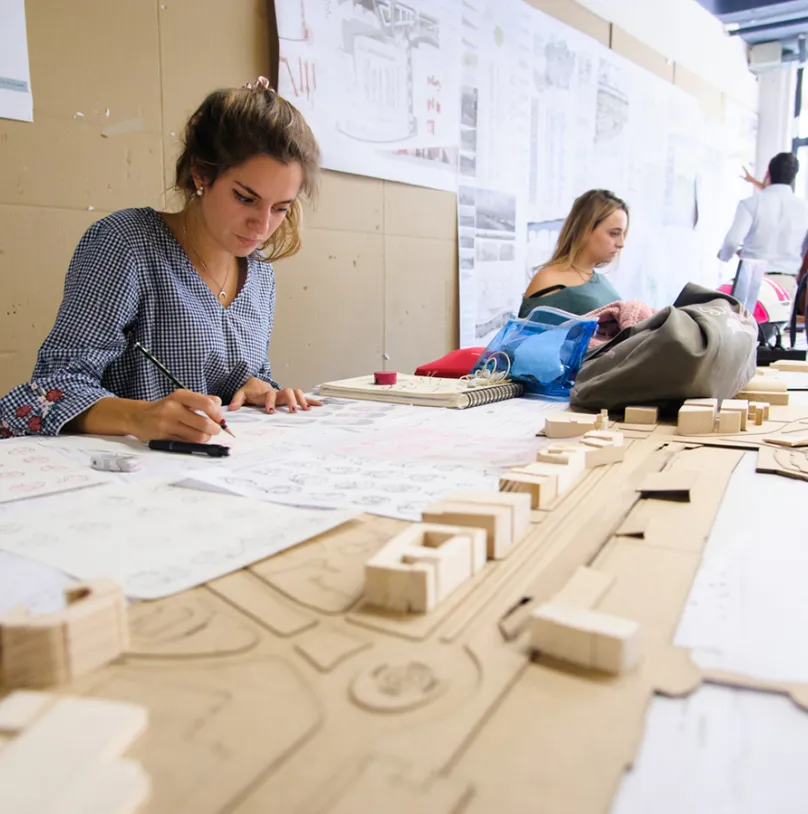 24/7 access to workshop classrooms
Our workshop classrooms and plotter room are available 24/7, allowing you to work flexibly on your projects and transport your projects at your convenience. Design, experiment, and create whenever suits you best.
-
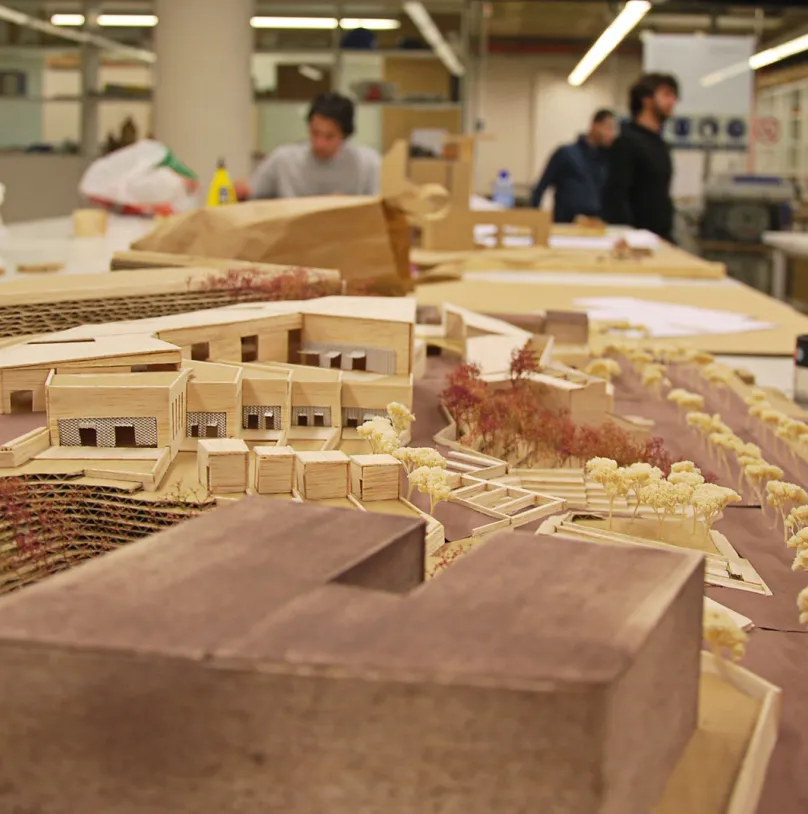 Model workshop
A fully equipped space for building physical models with precision tools, ideal for turning your ideas into tangible formats.
-
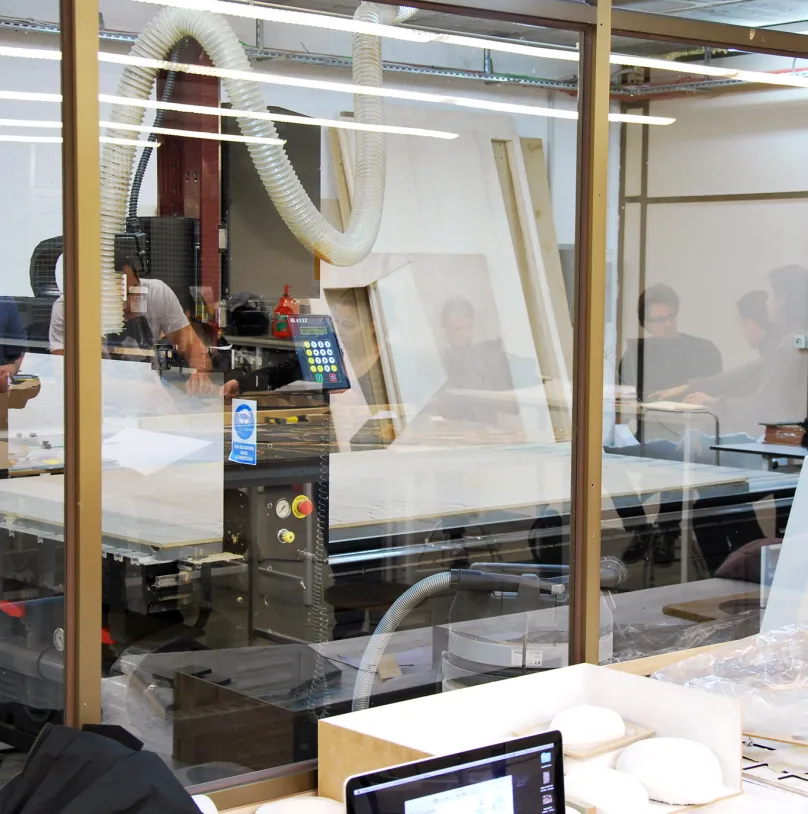 Digital architecture workshop
State-of-the-art technology to bring your projects to life: 3D printing, laser cutting, and CNC milling, enabling experimentation with innovative materials and forms.
Teaching team
Our teaching and research team
- a - f
- g - m
- n - r
- s - v
- w - z


Information sessions
Attend the next Informative Session
The University is organising open days for future university students who would like to know more about our institution and the programmes we offer.
Admission process
Admission process for master's and postgraduate programmes
-
Request information
-
Application for admission
- Delivery of documentation
- Validation of documentation
Assessment of candidate
Result of admission process
- Admission
- On hold
- No admission
Deposit paid
Enrolment
Between July and September
- Tuition paid
Welcome!
You are now part of UIC Barcelona
Who can apply?
This programme is aimed at university graduates from the following areas: architects, urban designers, urban planners, landscape designers, and students from disciplines involved in the design and planning of cities. It might also be interesting for environmental scientists, urban geographers, civil engineers, and students from disciplines involved in city management who are capable of generating urban cartographies.
How to apply
- Register online
- Upload the following documents to the admission’s portal:
- Photocopy of your passport
- 1 passport-size photo
- Certified* copy of your Diploma**
- Certified* copy of your Academic Transcript
- A signed copy of the UIC Barcelona general conditions (download the form from the admission’s portal)
- A signed copy of the UIC Barcelona data protection form (download the form from the admission’s portal)
- A filled in and signed copy of the grant survey referring to any external grants/financial aid for which you may have applied (download the form from the admission’s portal)
- Motivation letter (in English; please include your Skype username in your signature)
- CV (in English)
- Portfolio (in English and pdf format; content and length up to the student)
Optional:
- Certificate of English language level (minimum B2)
- Recommendation letters
- Other certificates, diplomas or proof of work experience
* Document must have an official stamp from your university
** If you do not yet have your Diploma, please submit the proof of payment of the diploma issuance fees or a document from your university certifying your expected date of graduation.
Accommodation and Visas
Students are responsible for finding accommodation and acquiring visas.
Admission calls
Admitted students
- Reserve a place: Pay the deposit (20% of the total fee)
- Enrollment fee: Pay the remaining amount (80% of the total fee)
Prices, grants and financial aid
Price
Grants
UIC Barcelona offers various fellowships supported by both public institutes (MEC or AGUAR), as well as private UIC Barcelona funds.
For further information, please check with our admissions department:
Grants offered by UIC Barcelona for master's degrees and postgraduate programmes
Other grants
Those pursuing master's degrees or postgraduate programmes studies at UIC Barcelona are also eligible for other scholarships.
Financing
In order to make tuition fee payments easier for students, UIC Barcelona offers various financing options through its partner banks.
Payment facilities
UIC Barcelona offers different payment options.
Alumni Ambassador
The Alumni Ambassadors are volunteer alumni who will explain their experience at UIC Barcelona to you. With them you will be able to resolve any doubts that may arise about the chosen program, the University and your experience as a student.
What questions can you ask an Alumni Ambassador?
- What do you value most about this program?
- What profile of students studied it?
- What do you think about teachers?
- What professional practices did you do?
- What are the advantages of studying in Barcelona?
- If he/she already has a job and if he had a hard time finding one.
Don't miss this magnificent opportunity to learn first-hand what it means to do a program at UIC Barcelona and the value it brings you in the development of your career. If you have any specific questions about the admission process, scholarships, visas or financial aid, you can contact directly admisiones@uic.es.