

Lifelong Learning Master's Degree in Diagnostic Imaging Oral and Maxillofacial


Home
- Type of programme
- Lifelong Learning Master's Degree
- Campus
- Campus Sant Cugat
- Duration
- 2 anys acadèmics
- Credits
- 60 ECTS
- Language
- Castellà (idioma secundari: anglès)
- Places
- Limitada
- Modality
- Online
Objectives:
The main objective is to train professionals who are capable of applying the scientific knowledge and technical skills they have acquired in Oral and Maxillofacial Imaging, ethically, efficiently and safely.
Programme objectives:
- Knowledge of Radiological Principles and Protection: Understand the fundamental principles of radiology and apply protective measures in the use of radiation, ensuring the safety of patients.
- Training in Radiographic Techniques: Design, analyse, execute and interpret radiological images in dentistry, mastering various radiographic techniques.
- Specialised Software Management: Use advanced imaging programmes in the oral and maxillofacial area, improving diagnostic accuracy.
- Development of Teaching and Research Skills: Foster the ability to transmit scientific knowledge and participate in research projects, contributing to the progress of oral and maxillofacial radiology.
- Diagnostic Centre Management: Acquire management skills to run and manage radiological diagnostic centres, optimising their operation.
- Addressing the use of artificial intelligence and digital flow in the area of imaging.
Competences:
- Patient Protection: Apply ALARA (As Low As Reasonably Achievable), ALADA (As Low As Diagnostically Acceptable) and ALADEIP (As Low As Diagnostically and Environmentally Important and Practical) criteria to minimise exposure to ionising radiation, ensuring patient protection.
- Appropriate Selection of Examinations: Evaluate the cost-benefit ratio of radiological examinations, choosing the most appropriate techniques for each clinical case.
- Image Interpretation: Develop the ability to interpret radiological images, identify pathologies and their correlation with clinical findings.
- Report Writing: Effective and objective reporting on medical imaging, focusing on rigour in communication without errors or personal opinions.
- Teamwork: Integrate effectively into multidisciplinary teams, collaborating with other health professionals in the diagnosis and treatment of oral and maxillofacial pathologies.
- Continuous Learning: Maintain a critical attitude and keep up with scientific and technological advances in the field of oral and maxillofacial radiology.
This master’s degree is aimed at dentists and stomatologists who wish to specialise in oral and maxillofacial radiology, expanding their skills and improving their clinical practice. Upon completion of the programme, graduates will be trained to apply scientific knowledge and technical skills in an ethical, efficient and safe manner in their professional practice.
Academic accreditation:
60 ECTS Lifelong Learning Master's Degree in Diagnostic Imaging and Oral and Maxillofacial Radiology
Students who have completed and passed the Postgraduate Degree in Oral and Maxillofacial Radiology will have a credit recognition according to the curriculum and regulations planned.
Other similar studies
- Lifelong Learning Master's Degree in Advanced Integrated and Social Dentistry
- Lifelong Learning Master's Degree in Digital Aesthetic and Restorative Dentistry Online
- Lifelong Learning Master’s Degree in Comprehensive Paediatric Dentistry Online
- Lifelong Learning Master’s Degree in Craniomandibular,Orofacial Pain and Dental Sleep Medicine
- Lifelong Learning Master’s Degree in Digital Dentistry and New Technologies
- Lifelong Learning Master’s Degree in Endodontics Online
Presentation
The Faculty of Dentistry seeks, in accordance with the general objective of Universitat Internacional de Catalunya, to provide a service to society in its educational mission by carrying out teaching and scientific research tasks, aimed at the professional training and scientific, cultural and human education of its students, as well as the development of activities to promote culture.
The creation of a Lifelong Learning Master's Degree in Diagnostic Imaging and Oral and Maxillofacial Radiology responds to the growing need to train highly qualified professionals in the use of advanced imaging techniques for the diagnosis and treatment of pathologies in the oral and maxillofacial region. This specialisation is essential to address current challenges in the dental field and ensure quality care for patients.
In recent decades, oral and maxillofacial radiology has experienced significant advances, incorporating technologies such as conical beam computed tomography (CBCT), magnetic resonance imaging and ultrasound. These tools provide high-resolution images that enable a detailed assessment of anatomical structures, leading to more accurate diagnoses and more effective treatment plans. However, the correct use of these technologies requires specialist training, from understanding the physical principles to clinical interpretation of the images obtained.
Digital dentistry, with the widespread use of scanners, is increasingly advancing hand in hand with radiology in the planning and diagnosis of patients. Moreover, we are heading towards an era where artificial intelligence will be present on a daily basis, both in analysing patient examinations and in performing procedures. That is why this innovative master's degree also devotes time to addressing these current challenges.
In many countries, oral and maxillofacial radiology is a recognised specialty requiring specific postgraduate training. However, in others, such as Spain, this specialty still does not have official recognition or structured training programmes at the university master’s level. This gap gives us the opportunity to offer specialised training and to train professionals to properly interpret the images taken with new technologies, thereby avoiding misdiagnosis and, consequently, inadequate treatment.
Oral and maxillofacial radiology is fundamental in the diagnosis and management of various pathologies, including dental diseases, bone lesions, salivary gland disorders, temporomandibular joint disorders and oral manifestations of systemic diseases. An accurate diagnosis is crucial to planning effective treatments and minimising risks to the patient. A lack of specialised training in this field can compromise the quality of dental care and increase the incidence of diagnostic errors.
The increasing complexity of clinical cases and the constant advancement of imaging technologies have increased the demand for specialists in oral and maxillofacial radiology. This specialty is officially recognised in more than 50 countries, and professionals receive specific training that allows them to play a crucial role in the diagnosis and treatment of oral and maxillofacial pathologies.
The implementation of a master’s degree in this field contributes to aligning the training of professionals with international standards, improving the quality of care and facilitating professional mobility. It also contributes to the official recognition of this speciality in countries where it is not yet established, aligning training with international standards and responding to the current demands of the dental sector.
Curriculum
Facilities
The Faculty of Dentistry has the University Dental Clinic (CUO) as the main training center for its students. Currently, at the Sant Cugat Campus, we have the following facilities:
-
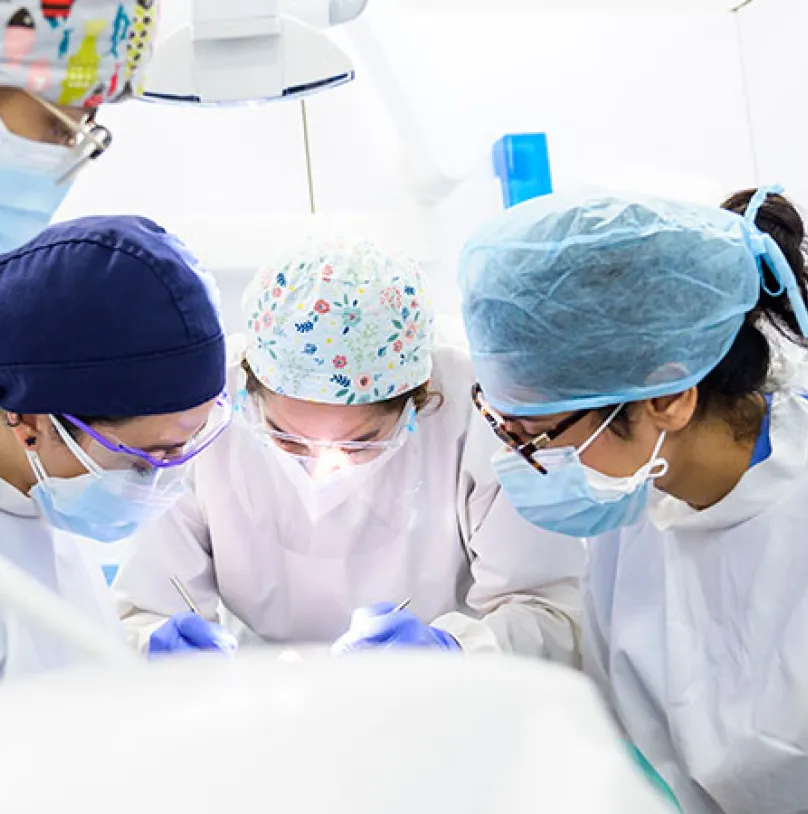 UIC Barcelona’s University Dental Clinic (CUO)
UIC Barcelona’s University Dental Clinic (CUO) has 88 dental care booths, all equipped with cutting-edge technology, including:
68 general dentistry care booths
4 care booths for special-needs patients
16 surgery care booths
Care booths for conscious sedation
Agreement with the Hospital Universitari General de Catalunya (HUGC Quirón) to treat patients under general anesthesia -
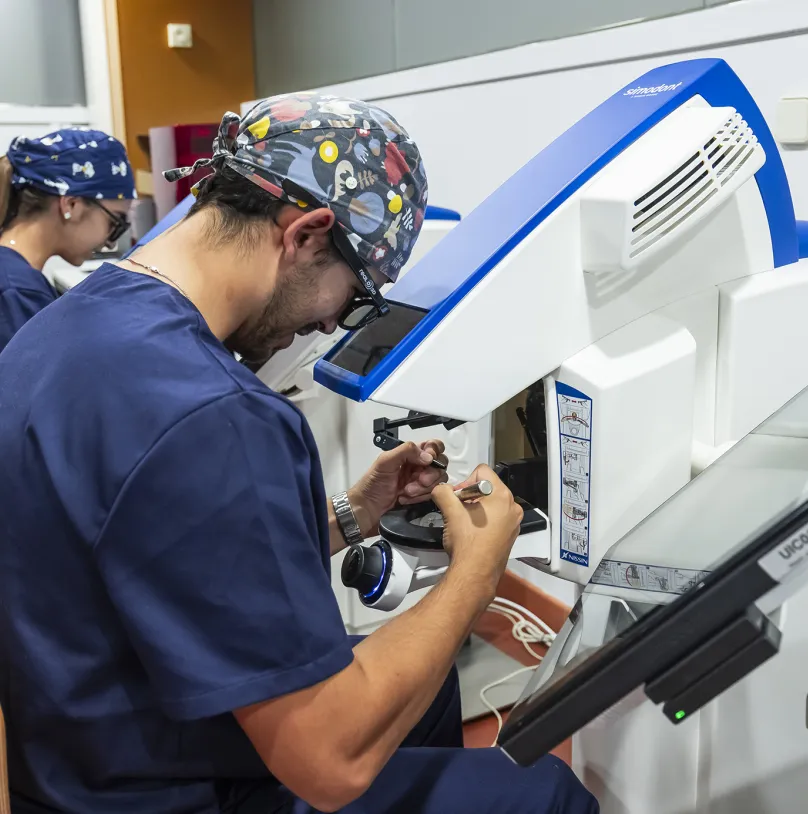 Clinical Simulation and New Technologies Classroom
New clinical simulation classroom: with this step, virtual reality is introduced into student training, enhancing their education while also serving as a valuable tool in new teaching methodologies. This is another step forward in innovation and the improvement of student training. This laboratory, together with the preclinical laboratory, allows students to practice dentistry with great realism before working on actual patients.
-
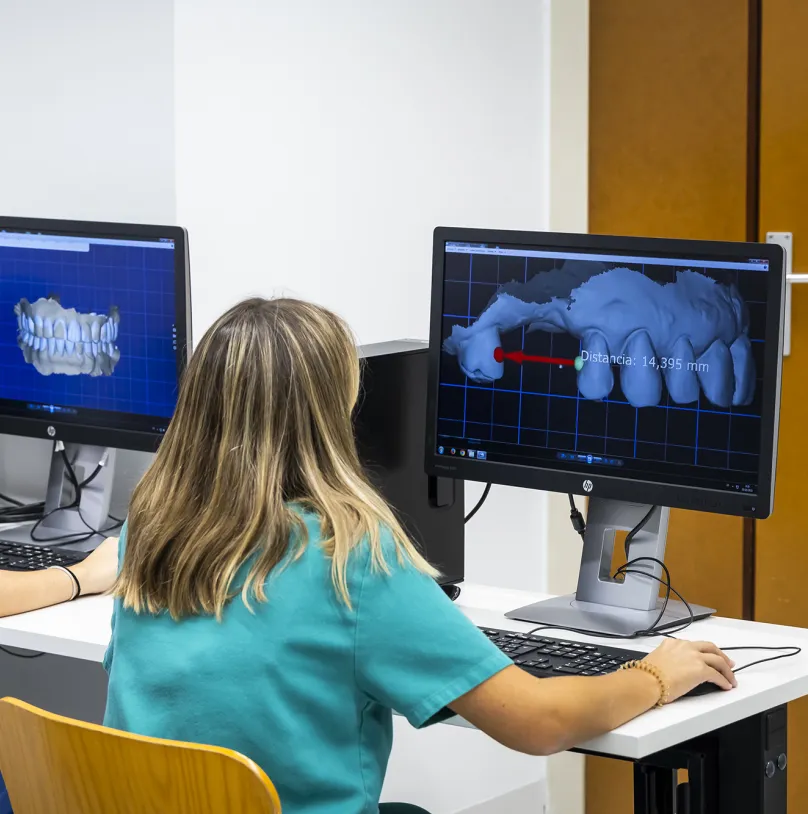 Exclusive Laboratory for CAD CAM Technology
Pioneers in digital dentistry, the Faculty has embraced digitalization and, among other resources, has an exclusive laboratory for CAD CAM technology. The equipment in this laboratory includes milling machines, intraoral scanners, 3D printers, design software, a ceramic furnace, a zirconia sintering furnace, CBCT and iCat, Teckscan, Z4 laptops, and Z4 computers.
-
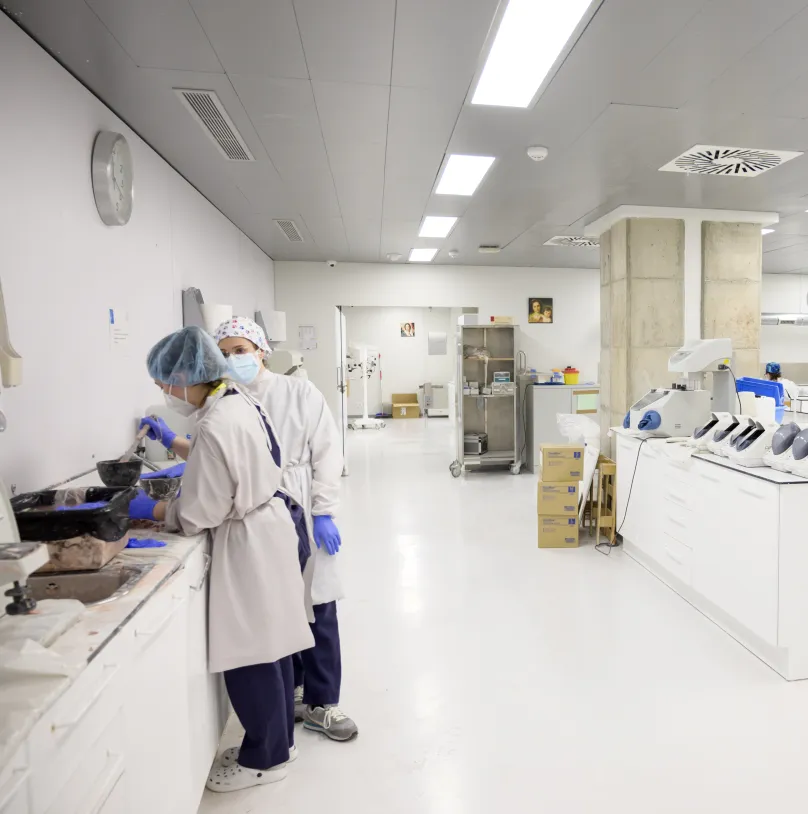 State-of-the-Art Prosthetic Laboratories
UIC Barcelona’s Dentistry Clinic has two advanced prosthetic laboratories equipped with the latest digital imaging technology. These laboratories provide students with access to cutting-edge tools across all areas of dentistry, from prosthesis design and manufacturing to treatment planning and execution. With this high-end equipment, future professionals can practice and refine state-of-the-art techniques, preparing them to excel in a highly competitive professional environment.
-
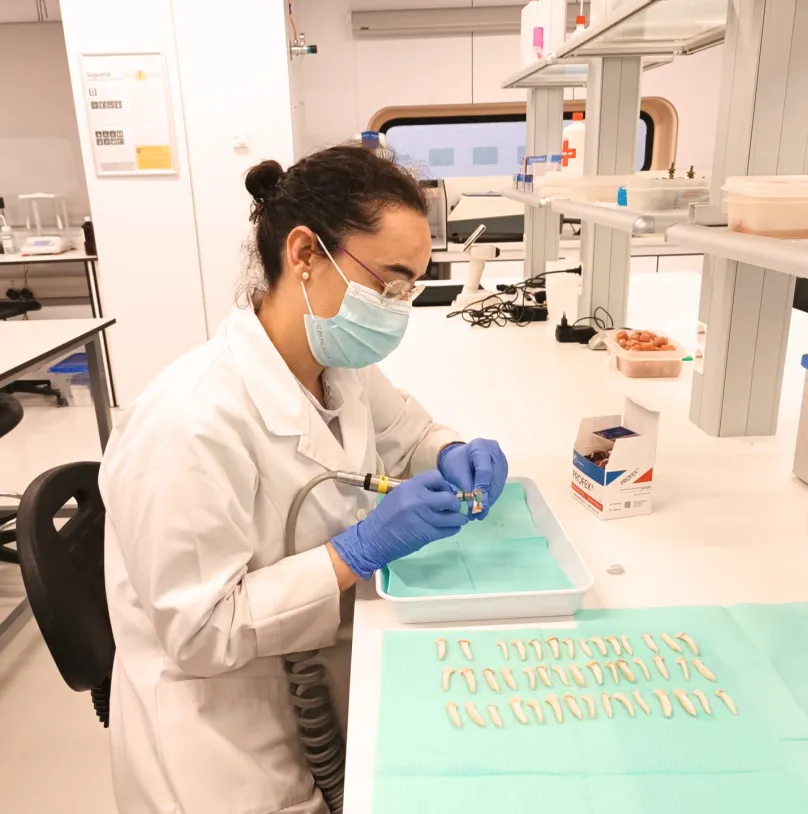 Research Laboratory
UIC Barcelona has six modern laboratories, one of which is specifically dedicated to dental research. This space allows students and professionals to conduct advanced studies and innovative projects, driving the development of new techniques and treatments in the field of dentistry. Additionally, the other laboratories provide practical and simulation environments that complement training, ensuring that students gain a comprehensive and high-quality experience in all aspects of their academic education.
-
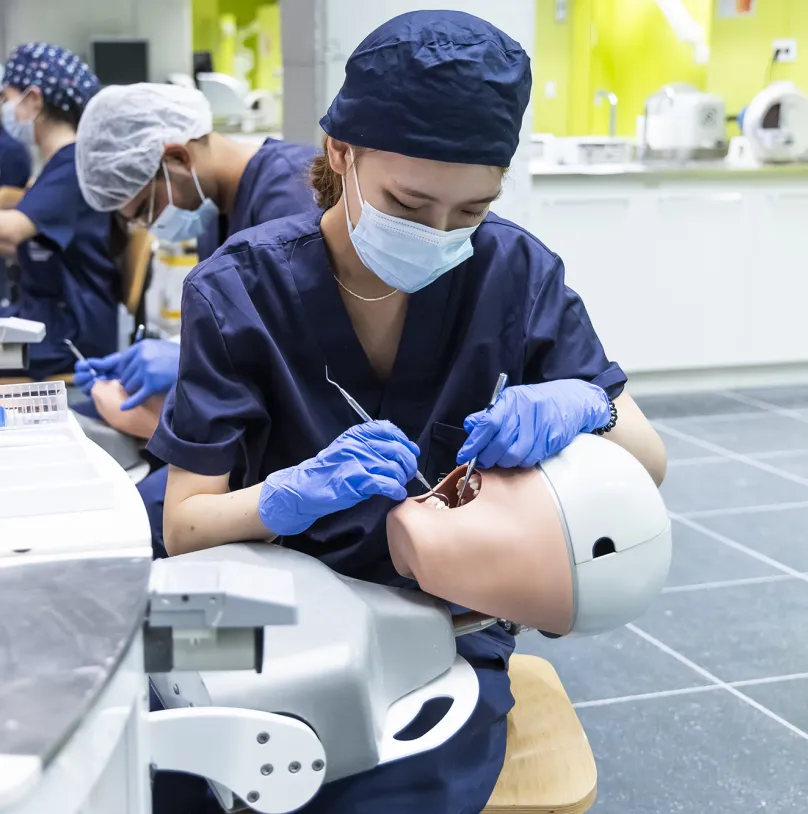 Preclinical Laboratory
The preclinical laboratory, a high-tech facility, features 95 dental simulators equipped with phantom heads—tools that simulate the oral cavity—as well as X-ray machines and digital radiology equipment for hands-on dental training.
Teaching team
Our teaching and research team
- a - f
- g - m
- n - r
- s - v
- w - z
Information sessions
Attend the next Informative Session
The University is organising open days for future university students who would like to know more about our institution and the programmes we offer.
Admission process
Admission process for master's and postgraduate programmes
-
Request information
-
Application for admission
- Delivery of documentation
- Validation of documentation
Assessment of candidate
Result of admission process
- Admission
- On hold
- No admission
Deposit paid
Enrolment
Between July and September
- Tuition paid
Welcome!
You are now part of UIC Barcelona
Admission criteria
To take the master's degree you need:
- Bachelor’s Degree in Dentistry
- Level B1 or similar in Spanish that will be assessed in the personal interview
- Partial validation of the studies of the Postgraduate Degree in Oral and Maxillofacial Radiology, which opens up the option of taking the master's degree in a single academic year.
Admission criteria
The admission tests consist of a weighted assessment of the academic record, personal profile and motivations and aptitudes that will have the following criteria:
- Academic record
- Personal interview with the director of the master's degree
- CV
Admissions procedure
To start the admission process, you must fill in the programme's admission form, which can be found on the University website (www.uic.es/en/faculty-dentistry) and follow the steps to attach the following required documentation:
- Bachelor’s degree*
- Academic record
- ID or passport
- Curriculum Vitae
- A signed copy of the general terms and conditions document.
- Letters of recommendation (recommended, not compulsory)
Once all the documentation has been received and validated, the admission fees must be paid (€90** - UIC Barcelona graduate students are exempt from this fee).
** Admission fees are non-refundable
Prices, grants and financial aid
Price
Grants
UIC Barcelona offers various fellowships supported by both public institutes (MEC or AGUAR), as well as private UIC Barcelona funds.
For further information, please check with our admissions department:
Grants offered by UIC Barcelona for master's degrees and postgraduate programmes
Other grants
Those pursuing master's degrees or postgraduate programmes studies at UIC Barcelona are also eligible for other scholarships.
Financing
In order to make tuition fee payments easier for students, UIC Barcelona offers various financing options through its partner banks.
Alumni Ambassador
The Alumni Ambassadors are volunteer alumni who will explain their experience at UIC Barcelona to you. With them you will be able to resolve any doubts that may arise about the chosen program, the University and your experience as a student.
What questions can you ask an Alumni Ambassador?
- What do you value most about this program?
- What profile of students studied it?
- What do you think about teachers?
- What professional practices did you do?
- What are the advantages of studying in Barcelona?
- If he/she already has a job and if he had a hard time finding one.
Don't miss this magnificent opportunity to learn first-hand what it means to do a program at UIC Barcelona and the value it brings you in the development of your career. If you have any specific questions about the admission process, scholarships, visas or financial aid, you can contact directly admisiones@uic.es.