

Lifelong Learning Master's Degree in Cosmetic Science and Engineering


Home
- Type of programme
- Lifelong Learning Master's Degree
- Campus
- Campus Sant Cugat
- Duration
- From September to July
- Credits
- 60 ECTS
- Schedule
- Semester 1: Theoretical classes in the afternoon/Semester 2: laboratory practical sessions in the afternoon; external work placements and Final Master’s Degree Project
- Language
- English
- Modality
- On site
Discover the Master's that combines traditional cosmetics with cosmetic engineering
The Master's Degree in Cosmetic Science and Engineering offers a unique combination of knowledge about traditional cosmetics and cosmetic engineering, something you will not find in other similar programmes. In this Master’s Degree, you will explore disciplines such as materials science, controlled molecule release systems, tissue engineering and 3D printing, genetic engineering, nanotechnology and artificial intelligence, all specifically applied to the cosmetics industry.
More than half the programme is dedicated to laboratory practices, giving you the opportunity to put into practice the theoretical knowledge you have gained in the classroom. For example, in micro- and nanotechnology practices, you will be able to incorporate active ingredients in micro- and nano-sized particles, controlling the release of these ingredients depending on factors such as pH and temperature. This approach allows you to customise products, as each technology you learn about will allow you to incorporate a number of active ingredients, with each one released in response to specific stimuli. Are you ready to explore the dynamic world of Cosmetic Science and Engineering?
Reasons to study this Master's programme
- Innovative and unique
This is currently the only master’s in cosmetics that combines fundamental knowledge of traditional cosmetics with cosmetic engineering. Graduates will have a rare and highly demanded profile in the booming field of cosmetics.
- Practical and applied training
More than 50% of the master's programme is made up of laboratory practice, where students can integrate the knowledge they have acquired in theoretical classes in a practical way.
- Next generation laboratories
UIC laboratories are on a similar level as the facilities found in companies, research centres and top-level technology centres. Learning in this kind of environment makes it easier for students to enter the professional world, as it allows them to reduce the gap between education and their profession.
- Teaching staff
Our faculty has specialists in new technologies and a solid track record at the forefront of innovation in cosmetics and emerging materials. The faculty includes a distinguished research group supported by the Generalitat de Catalunya SGR- Materials for Bioengineering, and one of its main lines of research is cosmetics.
Master in Cosmetic Science and Engineering
Testimonials

I would describe this master’s as a valuable personal and professional investment for anyone passionate about the cosmetics industry. It offers a strong level of specialization while also providing a broad, global perspective. For those who are motivated to innovate and make a meaningful contribution to the field, this program is an excellent choice.
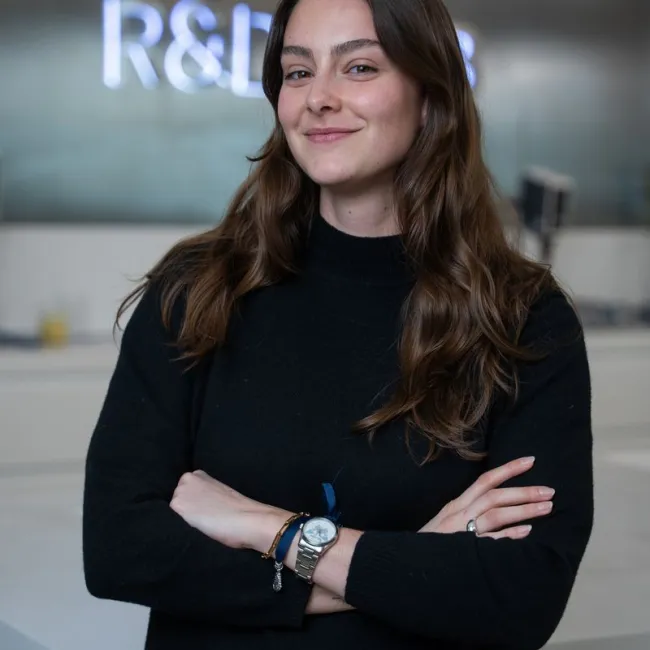
The Master’s in Cosmetic Engineering has allowed me to broaden my knowledge of the formulation and development of cosmetic products from a much more practical perspective, closely connected to the industry. I especially value the opportunity to learn from industry professionals and to gain an in-depth understanding of how a cosmetic product is developed. It has been a very enriching experience that has contributed to my professional growth and further strengthened my interest in the cosmetics industry.
Industry Partners




Other similar studies
- Lifelong Learning in Master's Degree in International Bioethics and Healthcare Professionalism
- Lifelong Learning Master's Degree in Biomedical Business Management
- Lifelong Learning Master's Degree in Cosmetic Dermatology Nursing: Skin Care and Prevention of Ageing
- Lifelong Learning Master’s Degree in Bioinformatics & AI for Healthcare
- Master’s Degree in Foot and Ankle Pathology and Surgery
- Master’s Degree in Glaucoma
Presentation
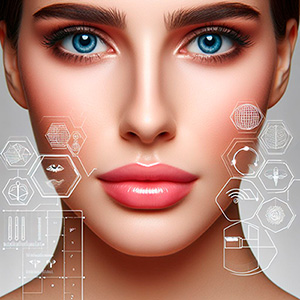
The cosmetics sector is in full growth as personal care is now considered essential in people's daily lives. Current trends are sustainability, achieving sustainable products aligned with the United Nations Sustainable Development Goals (SDGs); new technologies and customisation, in order to produce innovative and personalised products for end users, as well as developing new, more advanced and effective formulas; and finally, the use of natural ingredients is a growing trend, given that chemicals have been shown to be harmful in large quantities and regulations are constantly being updated on this basis.
Our Master's programme addresses all these issues, thanks to a curriculum that includes traditional and innovative cosmetics, covering all the ways that cosmetic engineering can integrate new technology such as 3D printing, nanotechnology and artificial intelligence.
Discover what makes this master's unique
Objective
The goal of the Master's Degree is to provide advanced and specialised knowledge on the latest technology related to biomaterials and tissue regeneration applied to cosmetics. It is designed to train students in the creation, research and development of cosmetic products, providing both specialist knowledge in the field and a solid foundation in manufacturing, regulation and marketing.
Applicant profile
The Master's Degree in Cosmetics Science and Engineering is aimed at graduates or postgraduates in the fields of Biology, Pharmacy, Chemistry, Biomedical Sciences, Bioengineering, Materials Engineering, Chemical Engineering, Biochemistry, Biotechnology and Biomedical Engineering.
It is also aimed at professionals who work in the cosmetics industry with sufficient knowledge.
Skills. Graduate profile
| CodE | DescriPTION |
|---|---|
| CE1 | Acquire the basic knowledge of traditional cosmetics involves understanding what ingredients and chemical principles are required to formulate cosmetic products. |
| CE2 | Learn about the physiology and structure of the areas where cosmetic products are applied, as well as understand the different applications of these products. |
| CE3 | Have the ability to understand and use bioengineering methods, new technology and tools in the research, development and manufacture of cosmetic products. |
| CE4 | Acquire the essential skills to work in the cosmetics manufacturing sector, including knowledge of production processes and quality control in the cosmetics industry. |
| CE5 | Have knowledge of regulations in the cosmetics industry, as well as knowing how to assess manufacturing systems and processes, and know how to carry out quality controls. |
| CE6 | Understand the fundamentals of materials science and technology, nanotechnology and 3D printing and apply them to modern cosmetics, as well as know how to apply artificial intelligence tools for the design of new cosmetic products. |
| CE7 | Apply bioengineering methods to produce innovative ingredient release systems for use in cosmetics. |
| CE8 | Understand basic concepts related to the application of microbiology in the formulation and conservation of cosmetic products, as well as the use of genetic engineering applied to the production of innovative ingredients in cosmetics. |
| CE9 | Encourage a spirit of entrepreneurship and integrate the knowledge applied to manage and run bioengineering companies in accordance with their legal framework and current regulations, as well implementing the processes necessary to preserve the intellectual property of cosmetic products. |
| CE10 | Complete a project in specific bioengineering technologies related to the field of cosmetics. The project must be professional and should bring together and integrate the skills acquired during the programme. |
| CE11 | Have the ability to carry out a project through the use of data sources, and the application of methodologies, research techniques and tools typical of bioengineering, and make a public presentation and defence of the project to an expert audience to demonstrate the skills and knowledge acquired during the master’s programme. |
Learning outcomes
The student's learning outcomes after completing the master's degree are detailed below:
| Code | Description |
|---|---|
RA1 | Knows the basic principles of traditional cosmetics and applies them in the manufacture of cosmetic products. |
| RA2 | Understands and uses bioengineering tools, such as 3D printing, artificial intelligence, or the use of materials, for innovation in the research, development and manufacture of cosmetic products. |
| RA3 | Has knowledge of the regulations and guidelines in the cosmetics industry, applying them in manufacturing processes and quality controls. |
| RA4 | Provides support and participates in quality, efficacy and safety testing for cosmetic products. |
| RA5 | Thinks and acts critically and responsibly during the research, development and manufacture of cosmetic products, bearing in mind the ethical issues arising from the world of cosmetics. |
RA6 | Understands and applies the fundamentals of entrepreneurship to develop business plans and manage cosmetics companies that wish to apply the new technologies that bioengineering can provide. |
RA7 | Has the ability to independently carry out research and development projects for innovative cosmetic products using new bioengineering technologies. |
RA8 | Is able to form part of interdisciplinary work teams and contribute knowledge and new bioengineering technology in the development of cosmetic products. |
Curriculum
Internship
The Master's Degree in Cosmetic Science and Engineering includes work experience as part of the course curriculum, with 12 ECTS credits recognised. This work experience consists of carrying out and/or designing a research or improvement project that will be developed into the Final Master's Project (TFM)—worth 9 ECTS—adding up to a total of 21 ECTS for practical work. Students complete their work experience in major companies and businesses in the cosmetics industry, during the second semester of the course programme.
Professional work experience involves applying the teachings learned over the foundations of the teaching plan.
The Faculty of Medicine and Health Sciences provides personalised advice to each student on getting the most out of their work experience through specific training sessions, tutorials and events involving collaborating organisations.
Facilities
The Master's Degree and Postgraduate degrees in Bioengineering is taught at the Bioengineering Institute of Technology (BIT), which features over 700 m² of dedicated laboratories equipped with cutting-edge technology. Located on the Sant Cugat campus, within the Hospital General de Catalunya, this environment enables constant hands-on practice and direct contact with clinical settings and other disciplines such as Medicine, Dentistry, Physiotherapy, and Nursing — creating unique synergies for a truly multidisciplinary learning experience.
-
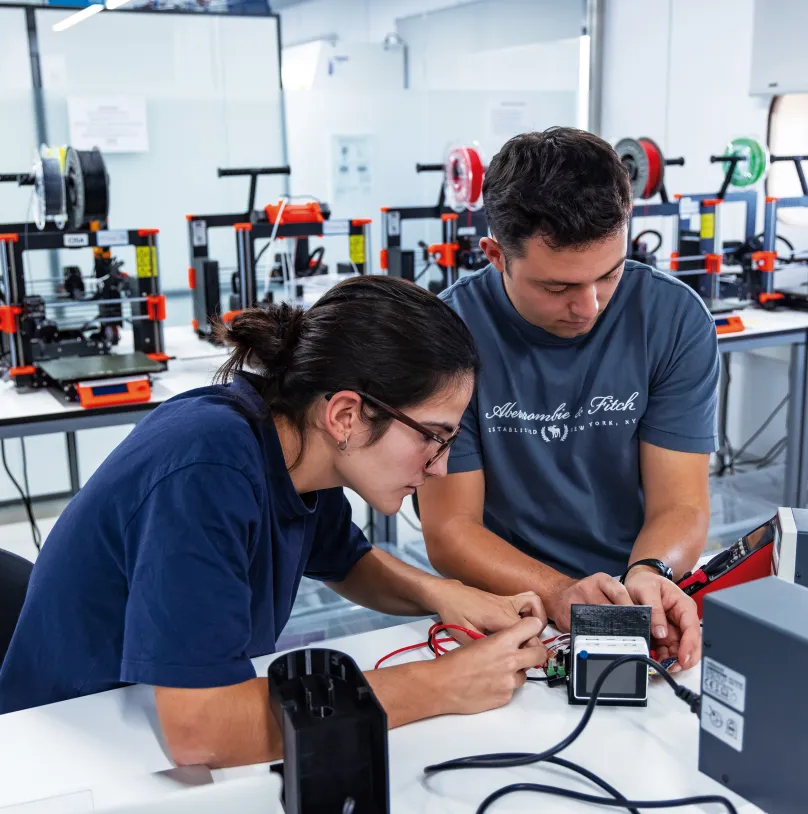 Electronics and 3D Printing Laboratory
Equipped with the latest-generation 3D printers and materials to integrate sensors into printed parts, ideal for prototyping and biomedical development.
-
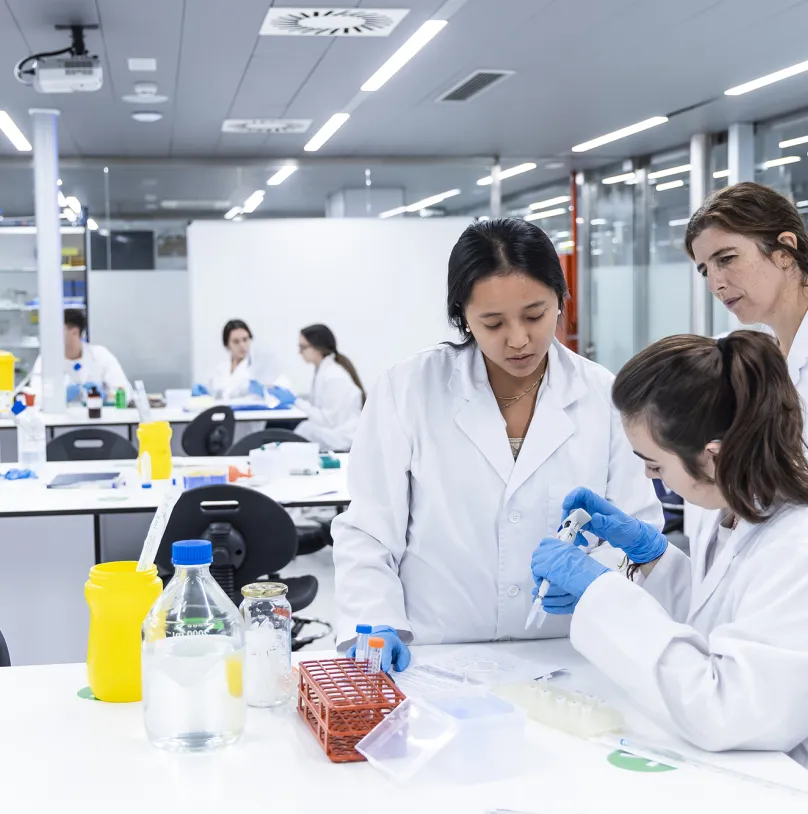 Practical Training Laboratory
A space with biosafety cabinets, microscopes, and centrifuges for applying knowledge in tissue engineering, nanotechnology, and biomaterials.
-
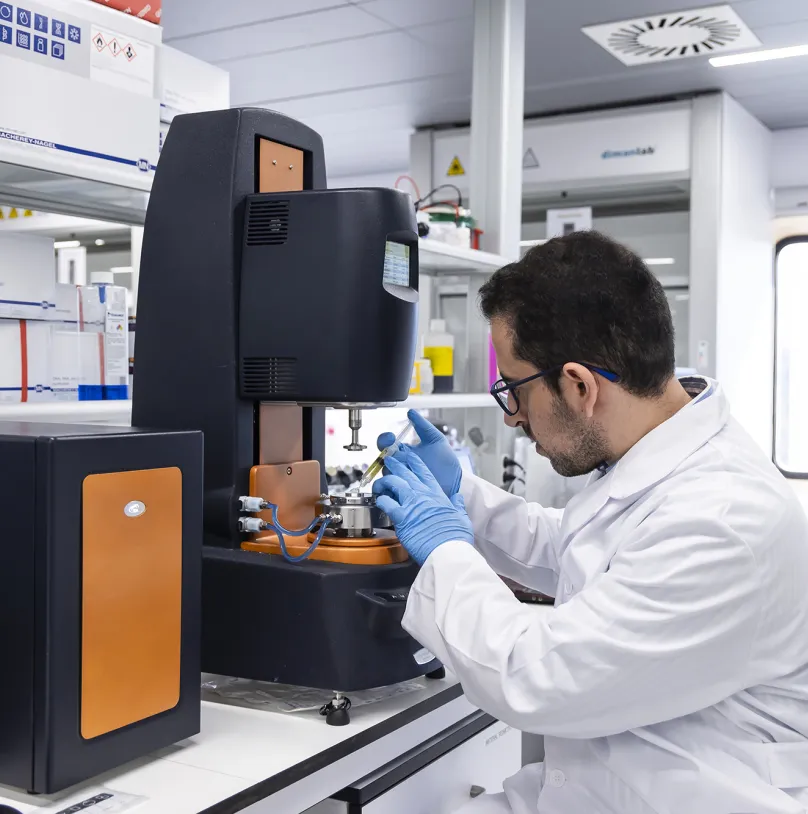 Research Laboratory
Outfitted with advanced equipment such as a rheometer, Zetasizer, and PCR cabinets, allowing students to take part in research projects alongside academic staff.
-
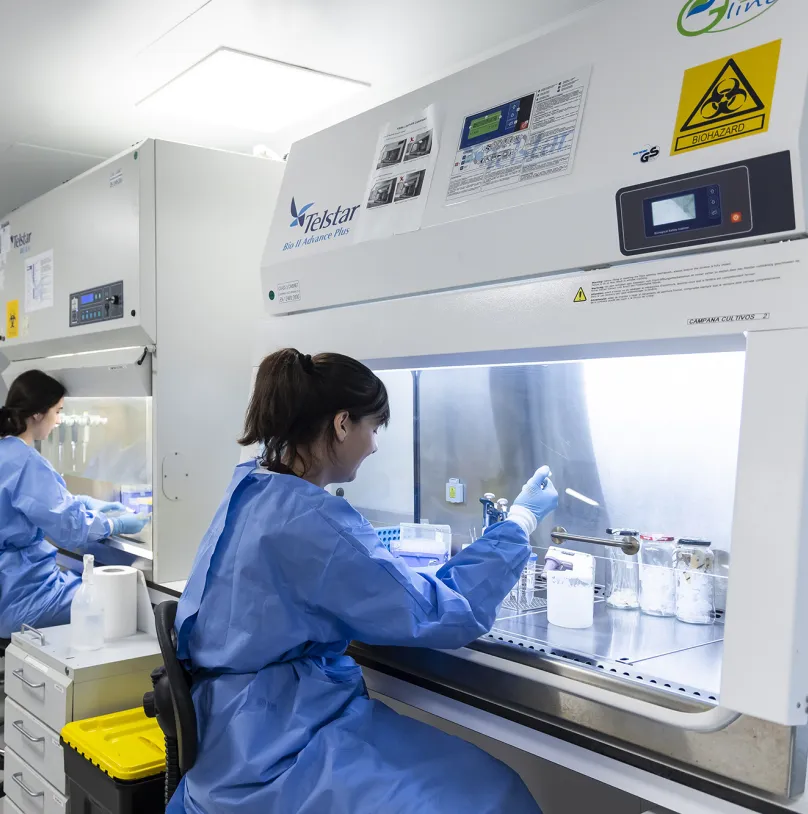 Cell Culture Room
A dedicated facility for cell culture, stem cells, and 3D bioprinting, with controlled conditions for monitoring and supporting cell growth.
-
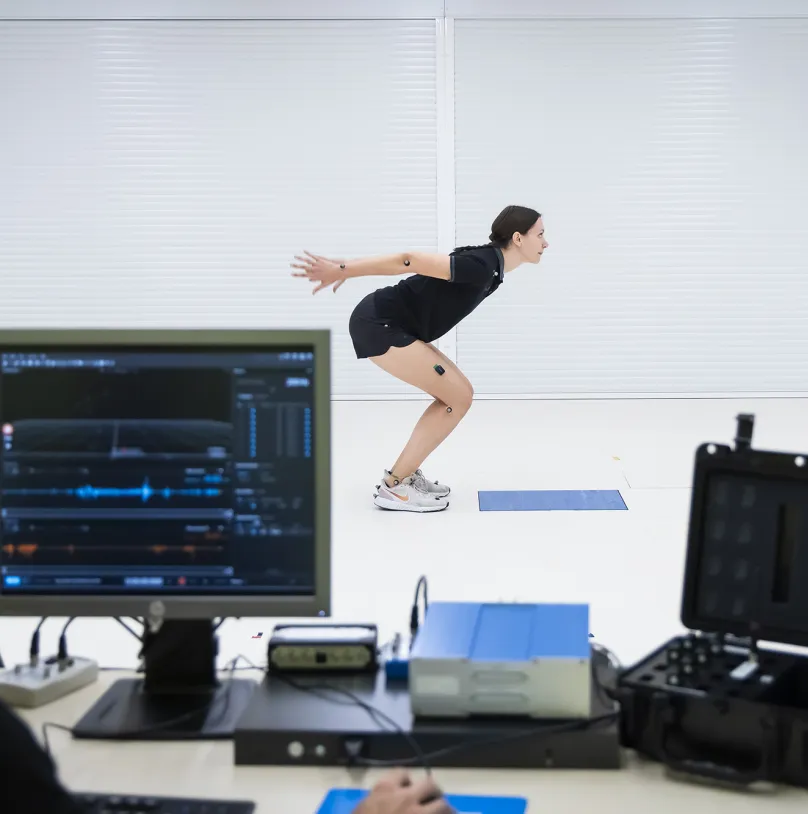 Physioengineering Laboratory
A space shared with the Physiotherapy department, equipped with an optical motion capture system, where students collaborate on multidisciplinary projects.
-
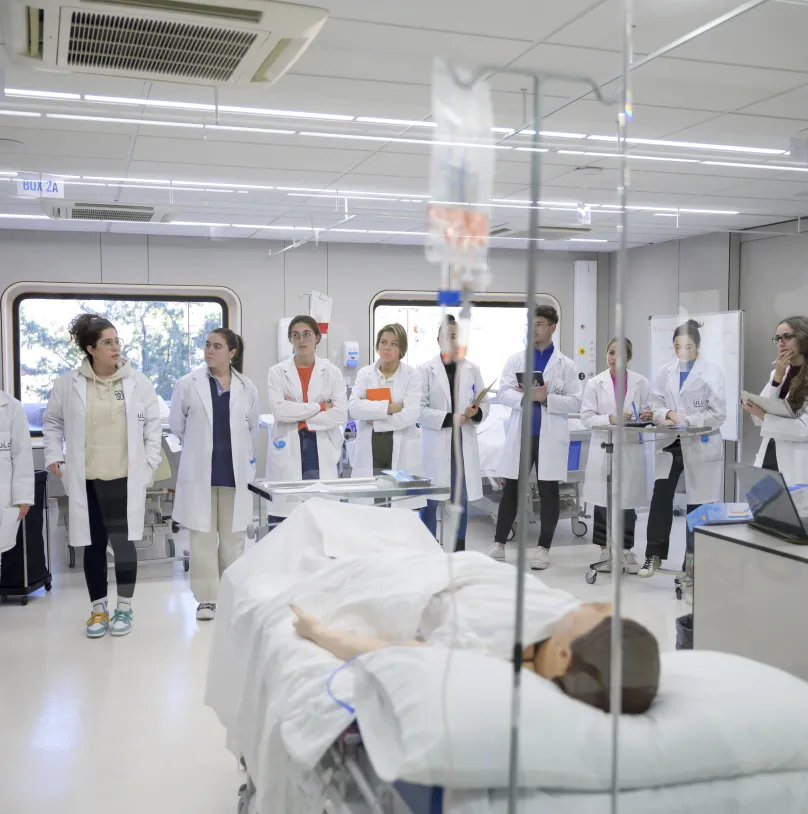 CISA (Advanced Simulation Centre)
A 1,000 m² simulation centre with operating theatres, intensive care units, and training rooms for rehearsing, validating prototypes, and working in simulated clinical environments.
Professional Career
Graduate prospects
Undoubtedly, the field of cosmetics is a profession with a great future, especially in Spain and particularly in Catalonia.
Spain stands out internationally as a leader in the cosmetics industry, currently ranking among the top 10 exporters of beauty products worldwide. The sector has seen sustained annual growth, reaching a remarkable 11.3% in 2022 and 7.8% in 2021.
Catalonia has established itself as one of the epicentres of professional cosmetics worldwide. The industry has 71 companies and generates around 15,000 direct jobs and more than 50,000 indirect jobs in the region.
This master's degree gives you the opportunity to access leading positions in the cosmetics industry, taking advantage of Catalonia’s solid growth and influence in the industry.
- Professional training in research and development centres for cosmetics
- Professional development in companies in the cosmetics industry
- Consultancy on R+D+i projects in the cosmetics industry
- Consultancy on marketing and sales in the cosmetics industry
- Consultancy and support in formulating and developing cosmetic products
- Consultancy and support in quality, efficacy and safety testing of cosmetic products
- Consultancy and support in cosmetovigilance and pharmacovigilance
Teaching team
Our teaching and research team
- a - f
- g - m
- n - r
- s - v
- w - z


Information sessions
Attend the next Informative Session
The University is organising open days for future university students who would like to know more about our institution and the programmes we offer.
Admission process
Admission process for master's and postgraduate programmes
-
Request information
-
Application for admission
- Delivery of documentation
- Validation of documentation
Assessment of candidate
Result of admission process
- Admission
- On hold
- No admission
Deposit paid
Enrolment
Between July and September
- Tuition paid
Welcome!
You are now part of UIC Barcelona
Candidates who meet the general requirements for application, and who have the requisite prior studies and a university degree, may apply for admission. The master's is aimed at graduates or postgraduates in the fields of Biology, Pharmacy, Chemistry, Biomedical Sciences, Bioengineering, Materials Engineering, Chemical Engineering, Biochemistry, Biotechnology and Biomedical Engineering.
Admissions process
If you have decided to take the master's degree, follow the steps below to complete the admissions process. We recommend you apply as soon as possible, as places are limited.
1. Online admissions application.
2. Submit the following documentation (*)
Documentation
Students with an official Spanish university degree
- Certified photocopy of the university degree or the document certifying the degree, or certified photocopy of the receipt for payment of the fees for issuing the degree.
- Certified photocopy of the academic certificate of university studies completed.
Students with an official foreign university degree
- Original officially certified photocopy of the university degree.
- Original officially certified photocopy of the academic certificate showing the grades in the university studies completed.
For every application:
- A passport-size photograph.
- Photocopy of the ID or passport.
- Updated CV.
- Letter of motivation.
If the source language of the documentation is not Spanish, candidates must submit the original sworn translation into Spanish of the university degree and academic certificate.
3. Interview
Candidates will be invited to an admission interview once their documents have been approved, according to the student's profile.
Once accepted, students can start the process of booking places and registration.
Admission criteria
In accordance with the provisions of Article 16 of RD 861/2010, candidates must hold an official Spanish university degree, bachelor's degree, diploma, engineering or architecture qualification issued by a higher education institution belonging to another member state of the European Higher Education Area, in order to access master's degree programme.
The admission tests consist of a weighted assessment of the candidate’s professional and research record.
Once the admission process has been concluded, the Information and Admissions Service in charge of managing the tests will inform the candidates of their results.
Reserving a place and enrolment
Candidates who have been accepted for a master's or postgraduate degree receive a letter of admission that is conditional on a payment reserving their place.
The reservation comes into effect via payment of the appropriate fees within fifteen working days of being notified of admission.
Once students have formally reserved their place on the course, if a student does not meet the requirements for admission onto the course in accordance with current legislation; if the student does not provide the required qualifications or the course does not go ahead due to lack of registrations, UIC Barcelona will refund the amount paid to reserve the place, in full.
If the student voluntarily drops out of the course for any reason, UIC Barcelona will keep the amount received to reserve the place as compensation for any damages caused, without having to provide a refund.
If the student does not make use of the reserved place, UIC Barcelona will understand that the student has renounced the place, and from that moment the request for a place will be cancelled.
Registration becomes official in July, once the necessary documents have been provided.
Admissions are open throughout the academic year. They are subject to available places.
Once your documentation has been approved, an online interview will be scheduled with a member of the faculty to assess your profile and learn about your motivation in relation to the master's degree.
The places are filled once the admitted students have reserved their spots.
Prices, grants and financial aid
Price
Grants
UIC Barcelona offers various fellowships supported by both public institutes (MEC or AGUAR), as well as private UIC Barcelona funds.
For further information, please check with our admissions department:
Grants offered by UIC Barcelona for master's degrees and postgraduate programmes
Other grants
Those pursuing master's degrees or postgraduate programmes studies at UIC Barcelona are also eligible for other scholarships.
Financing
In order to make tuition fee payments easier for students, UIC Barcelona offers various financing options through its partner banks.
Payment facilities
UIC Barcelona offers different payment options.
Alumni Ambassador
The Alumni Ambassadors are volunteer alumni who will explain their experience at UIC Barcelona to you. With them you will be able to resolve any doubts that may arise about the chosen program, the University and your experience as a student.
What questions can you ask an Alumni Ambassador?
- What do you value most about this program?
- What profile of students studied it?
- What do you think about teachers?
- What professional practices did you do?
- What are the advantages of studying in Barcelona?
- If he/she already has a job and if he had a hard time finding one.
Don't miss this magnificent opportunity to learn first-hand what it means to do a program at UIC Barcelona and the value it brings you in the development of your career. If you have any specific questions about the admission process, scholarships, visas or financial aid, you can contact directly admisiones@uic.es.