Places completes Màster Fisioteràpia Respiratòria i Cardíaca
PROGRAM CLOSED FOR THE 2026-27 ACADEMIC YEAR
You can submit your application for the 2027–2028 academic year


The Master’s Degree in Respiratory and Cardiac Physiotherapy offers a comprehensive approach that combines advanced clinical practice with research training. You will learn to work safely with both adult and pediatric patients, including critically ill patients in the ICU, across all levels of care.
Your training will include advanced clinical simulation at the Integrated Center for Advanced Simulation (CISA), with 50 hours of laboratory work and realistic scenarios: pulmonary function testing, mechanical ventilation (invasive and non-invasive), cardiopulmonary resuscitation, and OSCEs. This hands-on learning is complemented by clinical rotations in leading hospitals and ICUs.
Research is one of the core pillars of the program: you will develop a longitudinal project with personalized supervision, culminating in the submission of a scientific article to a peer-reviewed journal, paving the way toward doctoral studies. Teaching is delivered in Spanish and includes seminars with invited international faculty, supported by the scientific output of the IFET Group (Physiotherapy and Therapeutic Exercise Interventions).
You will work with state-of-the-art equipment —spirometer, inspiratory and expiratory pressure meters (PIM/PEM), gas analyzer, multiparameter monitors, ventilators, and simulation manikins— in environments designed to accurately replicate real hospital settings.
Covers respiratory and cardiac diseases in adult, pediatric, and critically ill (ICU) patients, with specific competencies to ensure safe intervention in high-complexity settings.
Dedicated Advanced Clinical Simulation course (5 ECTS) and 50 hours in the Clinical Skills and Simulation Lab, with outpatient, hospital, and ICU scenarios at CISA.
A two-year program with 90 ECTS: more hours, more hands-on practice, and more research than other national offerings, without reducing clinical immersion.
Longitudinal project + Master’s thesis (18 ECTS) with personalized supervision, guidance for publication, access to doctoral studies, and seminars led by international faculty.
200 hours of External Clinical Placement (12 ECTS) in prestigious hospitals, ICUs, and rehabilitation centers, taught by faculty who actively practice in partner institutions.
Access to gas analyzers, spirometry, inspiratory and expiratory pressure meters (PIM/PEM), ECG, invasive and non-invasive ventilators, multiparameter monitors, simulation manikins, and more—mirroring real clinical settings.
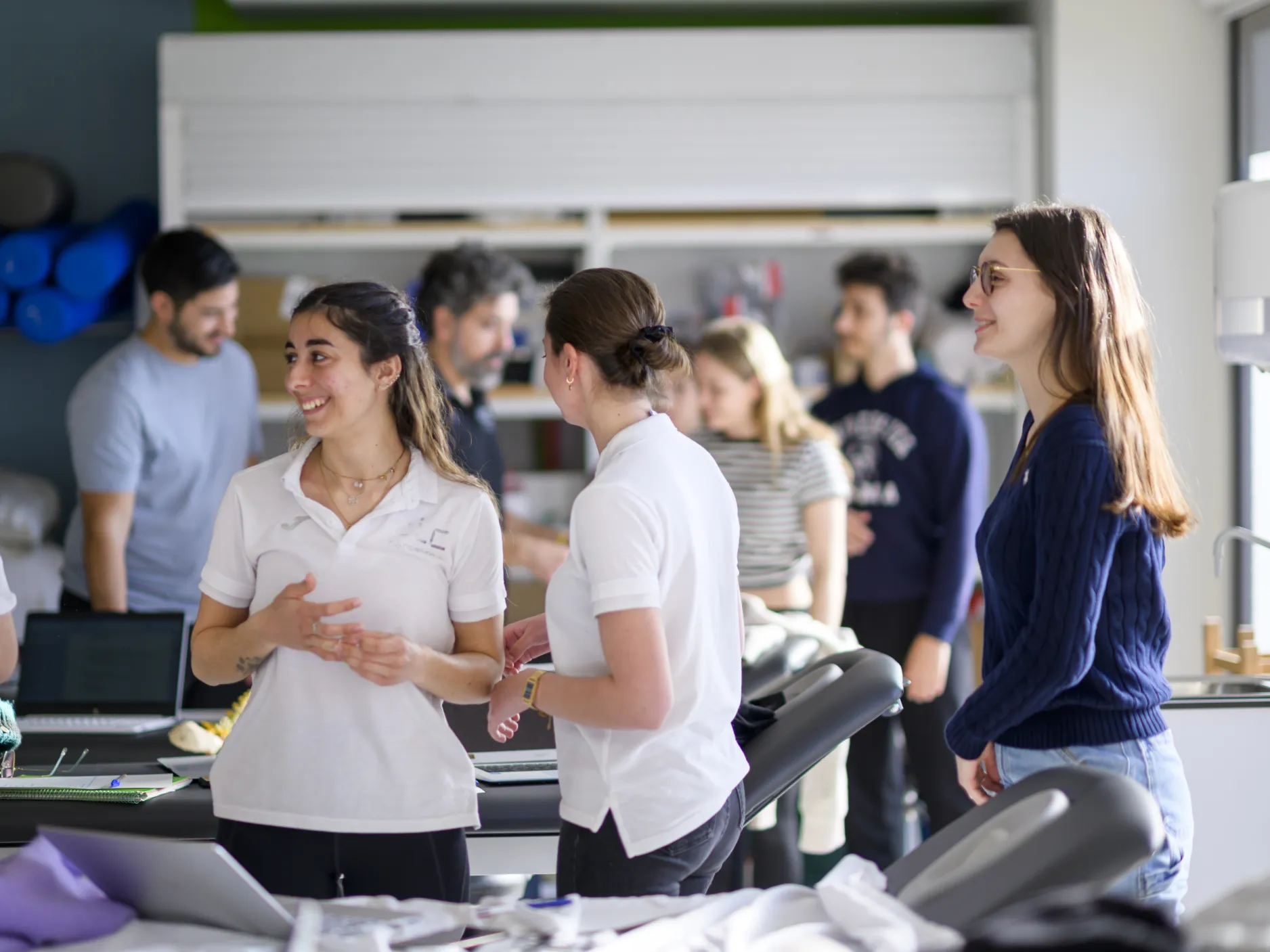
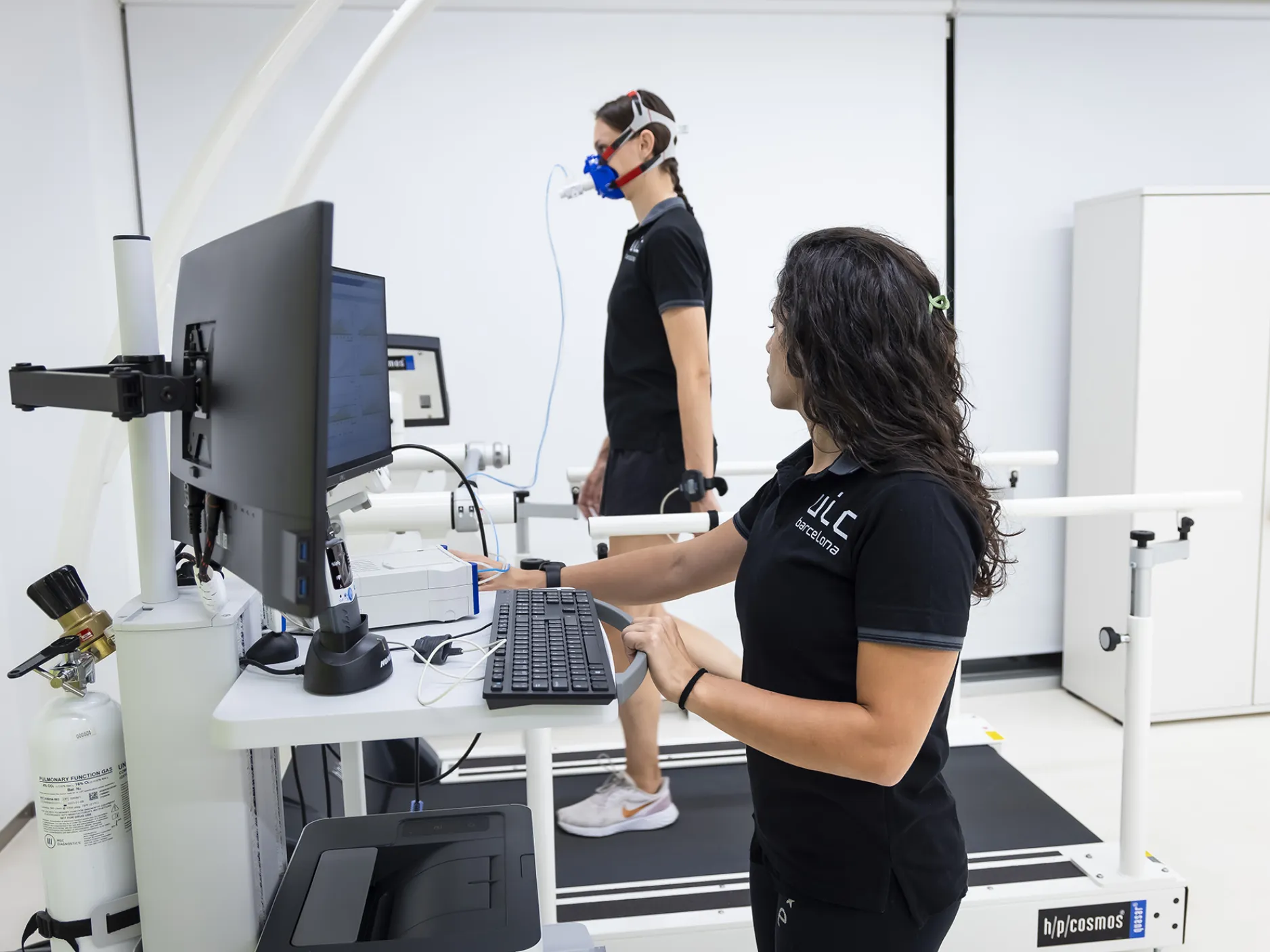
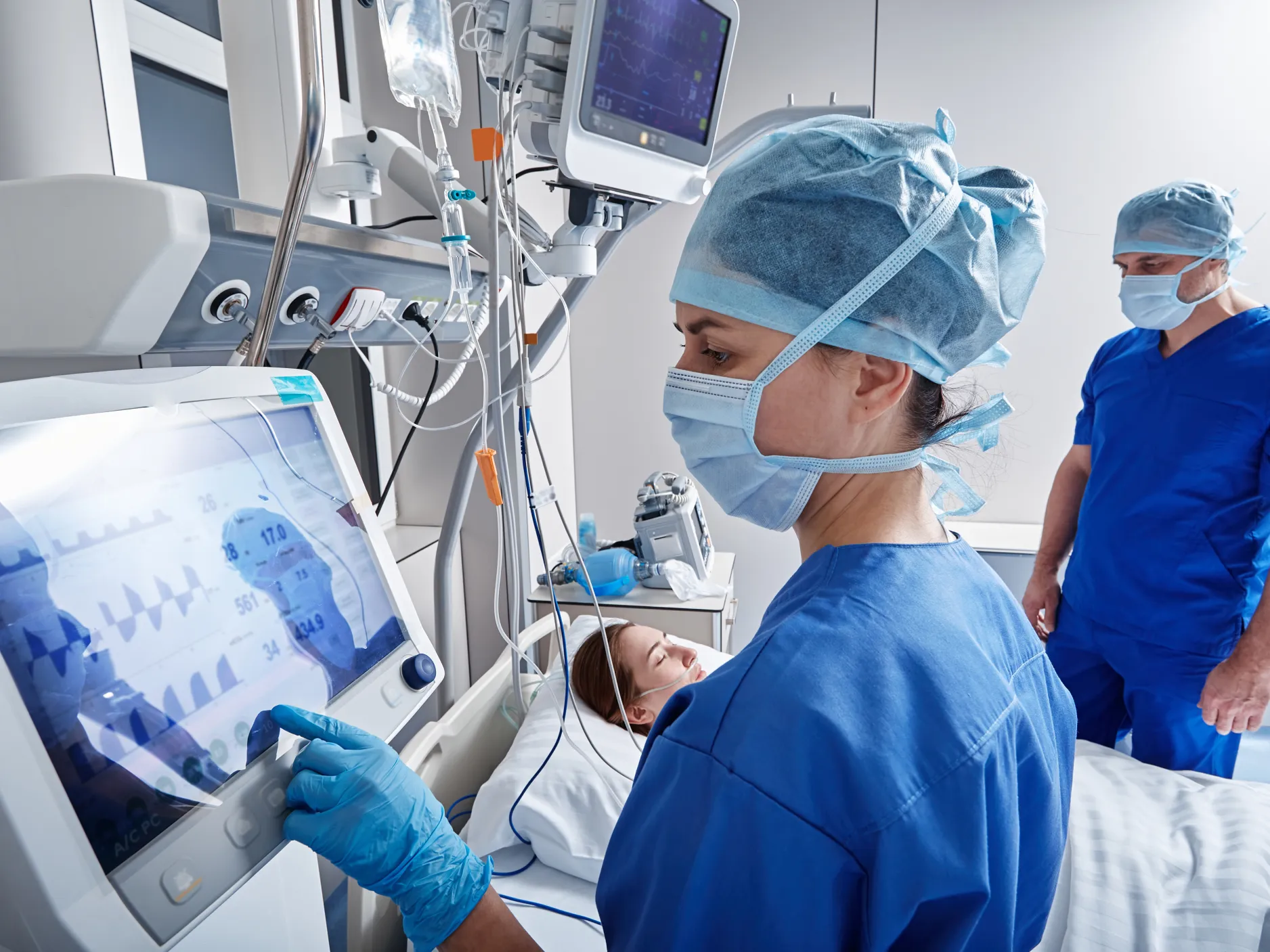
The Master’s Degree in Respiratory and Cardiac Physiotherapy at UIC Barcelona was created to address a growing clinical need: highly specialized physiotherapists capable of providing comprehensive care for respiratory and cardiac patients in hospital, outpatient, and intensive care settings. The program offers advanced, hands-on, and up-to-date training that blends clinical excellence with applied research, enabling students to acquire real, transferable competencies from day one.
Its distinctive approach lies in advanced clinical simulation and strong hospital partnerships, combined with a solid research foundation and an international outlook. Students learn from active practitioners linked to leading hospitals and research groups, and they develop a supervised research project that strengthens critical thinking and academic development. In this way, the master’s degree not only prepares graduates to intervene effectively in clinical practice, but also fosters a professional career with scientific vision and leadership in respiratory and cardiac physiotherapy.
The main objective of the Master’s Degree in Respiratory and Cardiac Physiotherapy is to train physiotherapists with a high level of clinical and scientific specialization, capable of intervening across all stages of the care process—from prevention and treatment to the rehabilitation of patients with respiratory and cardiac conditions. The program provides a global, integrated perspective on respiratory and cardiac management, preparing students to work in complex settings such as intensive care units (ICUs), hospitals, rehabilitation centers, and primary care.
In addition, the master’s degree aims to promote research and evidence-based practice, fostering a critical, analytical mindset and a commitment to continuous improvement. Through the development of a longitudinal research project with personalized supervision, students acquire the necessary tools to design, conduct, and communicate scientific work, contributing to the advancement of knowledge in physiotherapy. In this way, the program not only prepares competent and up-to-date professionals but also future leaders and key contributors in the field of respiratory and cardiac physiotherapy.
The master’s degree is aimed at graduates in Physiotherapy who wish to specialize in the respiratory and cardiac field with a clinical, practical, and research-oriented approach. It is particularly suited for professionals interested in deepening their expertise in the care of hospitalized or critically ill patients, respiratory and cardiac rehabilitation, and in developing advanced competencies in research and evidence-based practice.
With this master’s programme, you will develop a set of advanced competencies that will enable you to work safely, rigorously, and with an integrated perspective in the field of respiratory and cardiac physiotherapy. These are the competencies you will acquire throughout the programme:
The External Clinical Placements (ECP) course of the Master’s Degree in Respiratory and Cardiac Physiotherapy aims to consolidate the clinical competencies acquired throughout the programme through a real training experience in leading hospital and healthcare settings.
It takes place during the second year of the master’s programme and carries a total of 12 ECTS credits (200 hours). Placements are carried out in hospitals, intensive care units (ICUs), rehabilitation services, and centres specialising in cardiorespiratory physiotherapy, both public and private. Each student is assigned a clinical supervisor, ensuring personalized 1:1 guidance and full integration into multidisciplinary teams.
These placements constitute a key professional experience in which students apply the knowledge acquired in real clinical contexts, provide care to respiratory, cardiac, and critically ill patients, and strengthen the competencies required to successfully enter the clinical and healthcare workforce.
UIC Barcelona’s facilities are designed to provide you with a high-quality learning experience. With modern spaces equipped with advanced technology, you will develop your skills in real and practical environments. From specialised laboratories to training gyms, every corner of our university is designed to provide you with the best resources for your learning and professional development.
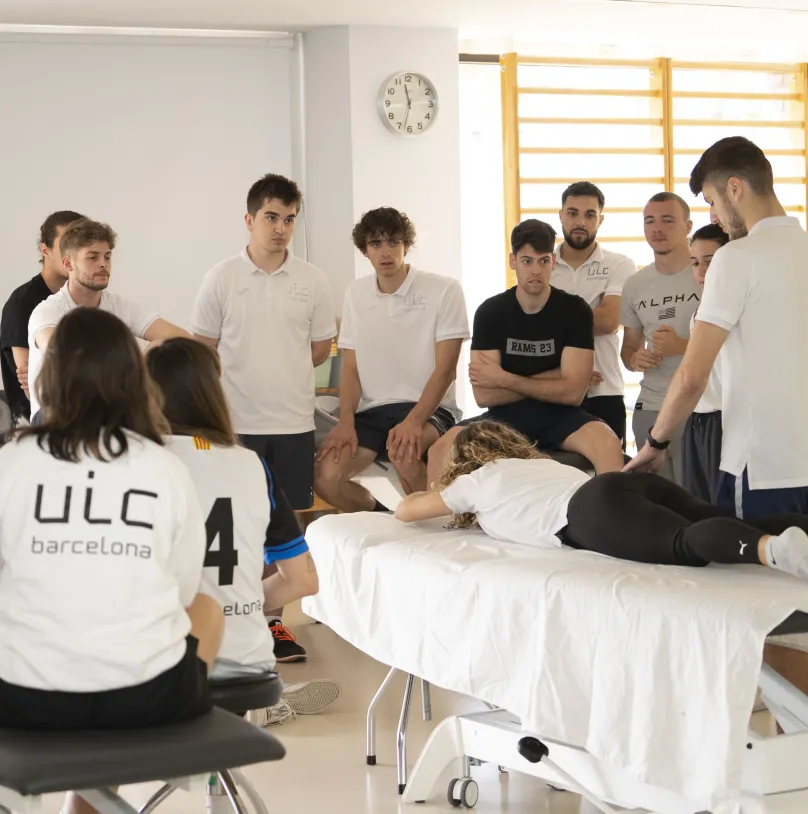
Our gyms are equipped with state-of-the-art equipment and spacious areas, making practical sessions and training easier. We have everything you need to gain experience in a professional and high-quality environment,
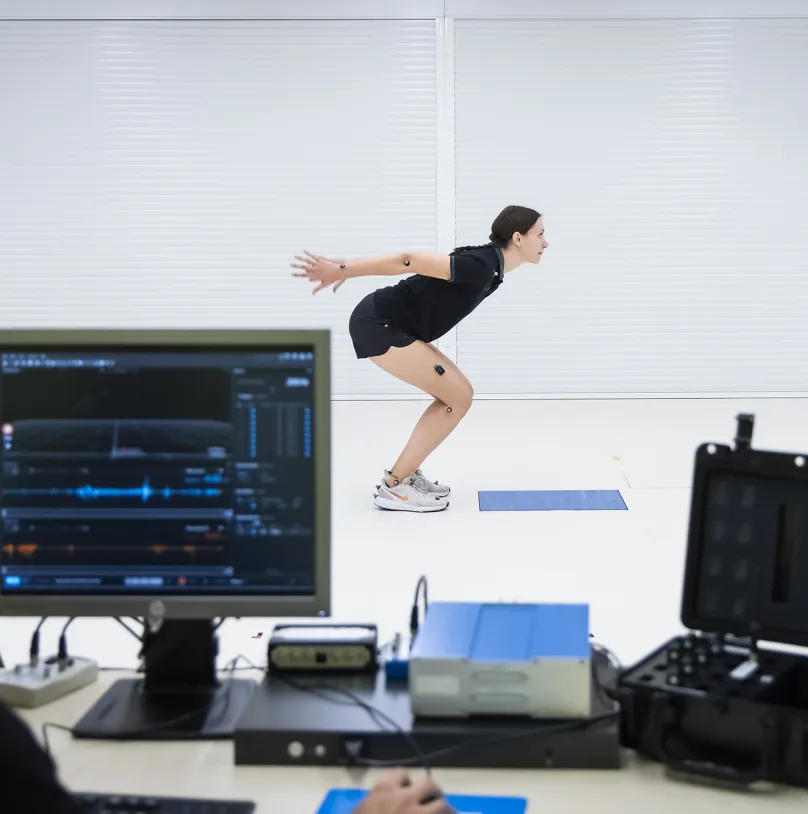
This laboratory allows you to study human movement with cutting-edge equipment, such as force platforms and motion analysis systems. It is an ideal space for applying classroom learning to practice.
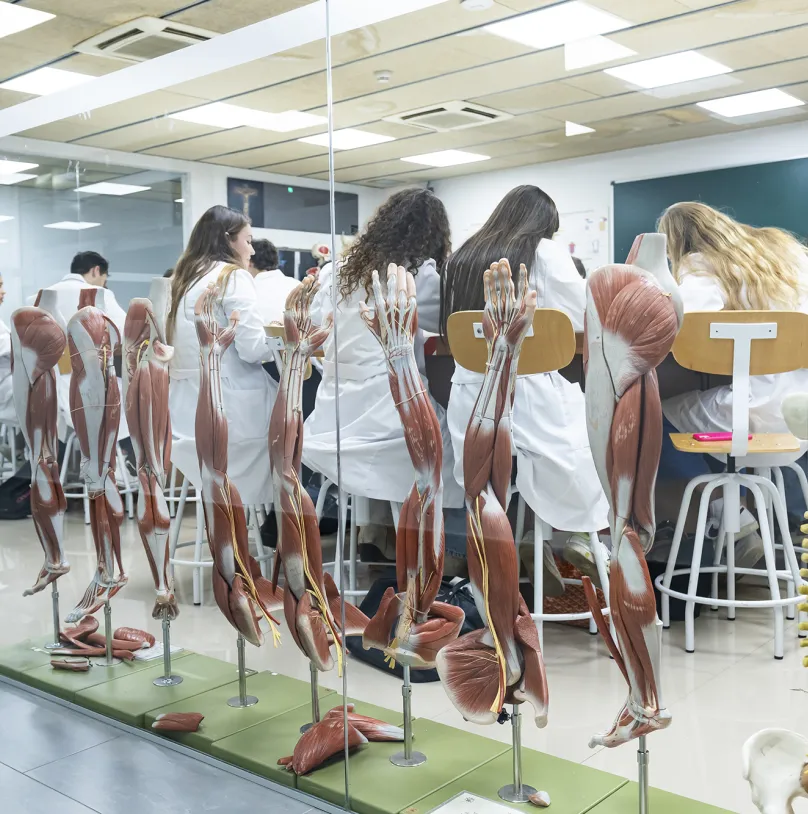
UIC Barcelona’s bone repository and dissection room provide a unique space with real human bodies and anatomical models. Here, you will study human anatomy directly and in detail, enriching your practical training in Physiotherapy.
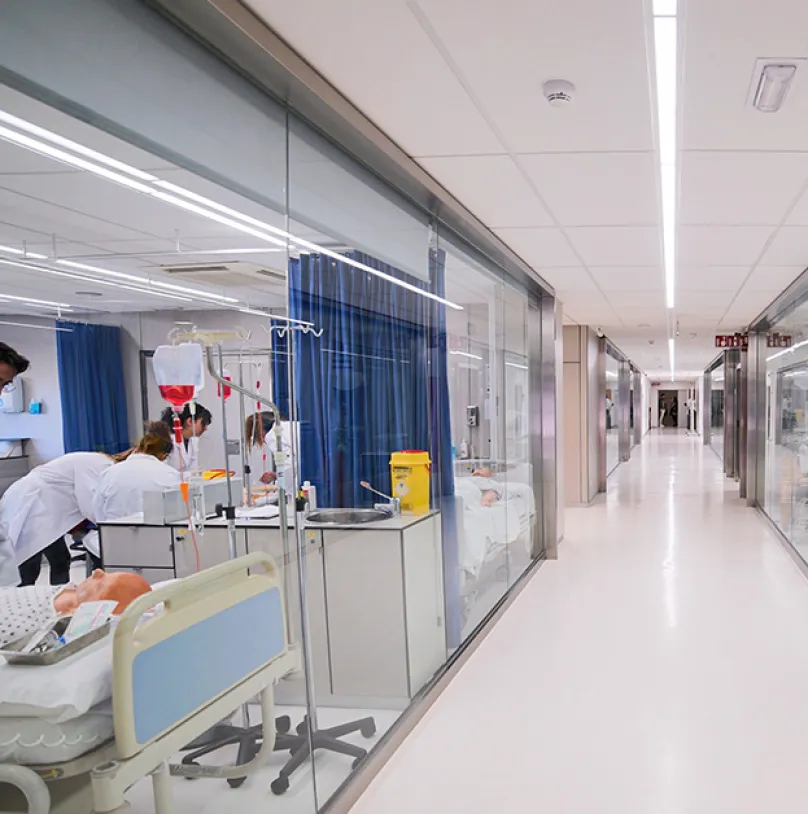
CISA offers state-of-the-art simulators to help you train your clinical skills in a controlled environment. This facility allows you to face real-life situations safely, preparing you for your professional future with the best available resources.
This master’s degree prepares you to work in hospitals, ICUs, rehabilitation centres, and primary care, as well as to begin a research or academic career in the field of cardiorespiratory physiotherapy. It equips you to become a highly qualified professional ready to lead clinical teams and scientific projects.
Between July and September
Welcome!
Applicants must hold a Diploma or Bachelor’s Degree in Physiotherapy, or an equivalent qualification.
In the case of international students, they must provide documentation demonstrating that they have completed and passed coursework that ensures a competency profile equivalent to the required degree. If the foreign qualification is not officially recognized, the master’s degree does not grant professional practice rights under any circumstances.
The admission criteria and the weighting assigned to each are detailed below:
| Weighting | Criteria | Aspects to be assessed |
| 30 % | Interview |
|
| 30 % | Currículum vitae |
|
| 40 % | Academic transcript | Grade point average (GPA) of the university degree (100%) |
If you have decided to pursue the master’s degree, follow the steps below to complete your admission process. We recommend that you do not delay your application, as places are limited.
1st: Online application
Admission application
2nd: Submission of the following documents (*)
Applicants with an official Spanish university degree
Applicants with an official foreign university degree
In all cases:
3rd: Interview
Interview with the master’s programme coordinator.
Once admitted, you will be able to begin the process of reserving your place and completing enrolment.
Applicants who have been accepted into a master’s or postgraduate programme will receive an admission letter conditioned upon the payment of a place reservation fee.
Research within the Department of Physiotherapy is structured around the research group recognized by the Government of Catalonia (2021SGR-01247), Interventions in Physiotherapy and Therapeutic Exercise (IFET). Its main objective is to explore physical exercise as a therapeutic tool to improve people’s health. Among its three thematic areas, the line focused on rehabilitation in respiratory and cardiac conditions stands out, concentrating on the assessment of functional and aerobic capacity, as well as on the use of therapeutic exercise as a rehabilitation tool for patients with respiratory and cardiac diseases. To conduct these studies, the Department of Physiotherapy has access to the Biomechanics and Exercise Physiology Laboratory.
Discover the three working groups within the Department and explore the details, objectives, and composition of each research line they develop.
Those pursuing master's degrees or postgraduate programmes studies at UIC Barcelona are also eligible for other scholarships.
In order to make tuition fee payments easier for students, UIC Barcelona offers various financing options through its partner banks.
UIC Barcelona offers different payment options.
The Master’s Thesis (TFM) is one of the main components of the Master’s in Respiratory and Cardiac Physiotherapy and reflects the program’s strong research orientation. Throughout the master’s program, students develop a longitudinal research project linked to one of the research lines of the academic staff or associated research groups, such as IFET (Interventions in Physiotherapy and Therapeutic Exercise).
Each student receives personalized supervision from a faculty researcher, who guides them through every stage of the project: study design, data collection and analysis, scientific writing, and dissemination of results. The aim is to foster critical thinking and the application of scientific evidence to clinical practice.
The TFM concludes with a public presentation and defense before an academic committee, and it may lead to the publication of a scientific article in a specialized journal. In this way, students not only strengthen their profile as specialized clinical physiotherapists but also begin or advance their careers in academic and research environments.
If you’re a student from another Spanish university or a university abroad, you can undertake a mobility stay at UIC Barcelona, for a semester or an academic year.
To find out everything you need to do before, during and after your mobility stay, please click on this link to find out the information you need for your faculty.