Universitat Internacional de Catalunya

Study search

Use this search engine to find the courses that interest you.

University Master’s Degree in Respiratory and Cardiac Physiotherapy

University Master’s Degree in Respiratory and Cardiac Physiotherapy
editor
3 semesters
Alternate weekends. Fridays and Saturdays from 9:00 a.m. to 2:00 p.m. and from 3:00 p.m. to 8:00 p.m.

UIC Barcelona’s facilities are designed to provide you with a high-quality learning experience. With modern spaces equipped with advanced technology, you will develop your skills in real and practical environments. From specialised laboratories to training gyms, every corner of our university is designed to provide you with the best resources for your learning and professional development.

Estudiants de Fisioteràpia al gimnàs
1.000 m² of gym facilities

Our gyms are equipped with state-of-the-art equipment and spacious areas, making practical sessions and training easier. We have everything you need to gain experience in a professional and high-quality environment,

Laboratori de Biomecànica i Fisiologia de l’Exercici
Biomechanics and Exercise Physiology Laboratory

This laboratory allows you to study human movement with cutting-edge equipment, such as force platforms and motion analysis systems. It is an ideal space for applying classroom learning to practice.

Osteoteca
Bone repository and dissection room: real anatomical resources

UIC Barcelona’s bone repository and dissection room provide a unique space with real human bodies and anatomical models. Here, you will study human anatomy directly and in detail, enriching your practical training in Physiotherapy.

Centre Integral de Simulació Avançada (CISA)
Advanced Simulation Centre (CISA)

CISA offers state-of-the-art simulators to help you train your clinical skills in a controlled environment. This facility allows you to face real-life situations safely, preparing you for your professional future with the best available resources.

Spanish

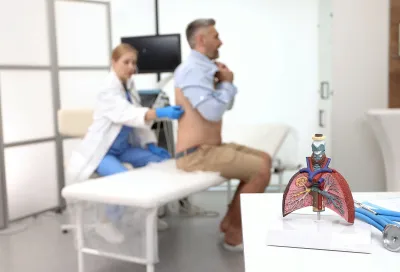
The Master’s Degree in Respiratory and Cardiac Physiotherapy offers a comprehensive approach that combines advanced clinical practice with research training. You will learn to work safely with both adult and pediatric patients, including critically ill patients in the ICU, across all levels of care.
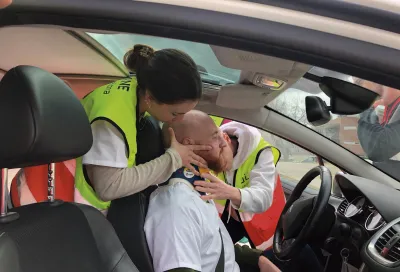
Your training will include advanced clinical simulation at the Integrated Center for Advanced Simulation (CISA), with 50 hours of laboratory work and realistic scenarios: pulmonary function testing, mechanical ventilation (invasive and non-invasive), cardiopulmonary resuscitation, and OSCEs. This hands-on learning is complemented by clinical rotations in leading hospitals and ICUs.

Research is one of the core pillars of the program: you will develop a longitudinal project with personalized supervision, culminating in the submission of a scientific article to a peer-reviewed journal, paving the way toward doctoral studies. Teaching is delivered in Spanish and includes seminars with invited international faculty, supported by the scientific output of the IFET Group (Physiotherapy and Therapeutic Exercise Interventions).

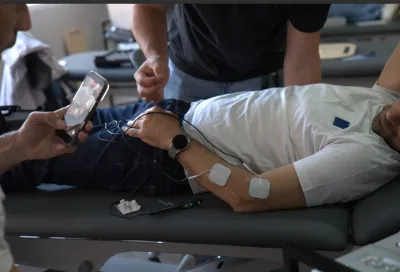
You will work with state-of-the-art equipment —spirometer, inspiratory and expiratory pressure meters (PIM/PEM), gas analyzer, multiparameter monitors, ventilators, and simulation manikins— in environments designed to accurately replicate real hospital settings.

Ítems
Comprehensive training and real clinical practice

Covers respiratory and cardiac diseases in adult, pediatric, and critically ill (ICU) patients, with specific competencies to ensure safe intervention in high-complexity settings.

Advanced clinical simulation (CISA)

Dedicated Advanced Clinical Simulation course (5 ECTS) and 50 hours in the Clinical Skills and Simulation Lab, with outpatient, hospital, and ICU scenarios at CISA.

90 ECTS to learn more and better

A two-year program with 90 ECTS: more hours, more hands-on practice, and more research than other national offerings, without reducing clinical immersion.

Research, mentoring, and internationalization

Longitudinal project + Master’s thesis (18 ECTS) with personalized supervision, guidance for publication, access to doctoral studies, and seminars led by international faculty.

Hospital partnerships and high-quality internships

200 hours of External Clinical Placement (12 ECTS) in prestigious hospitals, ICUs, and rehabilitation centers, taught by faculty who actively practice in partner institutions.

State-of-the-art equipment and learning environment

Access to gas analyzers, spirometry, inspiratory and expiratory pressure meters (PIM/PEM), ECG, invasive and non-invasive ventilators, multiparameter monitors, simulation manikins, and more—mirroring real clinical settings.

Fisio
Fisio
Fisio

Admission process for master's and postgraduate programmes

  • Request information

  • Application for admission

  • Assessment of candidate

  • Result of admission process

    • Admission
    • On hold
    • No admission
  • Deposit paid

  • Enrolment

    Between July and September

    • Tuition paid
  • Welcome!

    You are now part of UIC Barcelona

Required documentation

Applicants must hold a Diploma or Bachelor’s Degree in Physiotherapy, or an equivalent qualification.

In the case of international students, they must provide documentation demonstrating that they have completed and passed coursework that ensures a competency profile equivalent to the required degree. If the foreign qualification is not officially recognized, the master’s degree does not grant professional practice rights under any circumstances.

The admission criteria and the weighting assigned to each are detailed below:
 

WeightingCriteriaAspects to be assessed
30 %Interview
  • Motivation and interest in the programme and access to doctoral studies (40%): the applicant’s level of motivation to pursue the master’s degree will be assessed, as well as their knowledge of the programme, clarity regarding academic and professional goals, and interest in continuing into doctoral studies.
  • Personal profile and soft skills (30%): personal and social competencies relevant to training and teamwork will be evaluated, including responsibility, commitment, character, empathy, teamwork skills, adaptability, initiative, communication skills, and critical thinking.
  • Interest in working in the field and pursuing a research career (30%): the applicant’s demonstrated interest in developing professionally within the specific scope of the master’s programme and in continuing a research career in the discipline will be taken into account.
30 %Currículum vitae
  • Assessment of academic background (30%): the relevance and suitability of previous studies to the profile of the master’s programme will be evaluated, as well as any relevant supplementary training (courses, seminars, certifications) and participation in extracurricular activities related to the field of the master’s degree.
  • Work experience (20%): professional experience related to the master’s area of knowledge will be assessed, taking into account duration, level of responsibility in the roles performed, and the professional context (clinical, educational, institutional, etc.).
  • Research experience (30%): participation in research projects, scientific publications, final degree or master’s theses with a research component, attendance and/or presentation of conference communications, research grants, or research placements will be considered.
  • English level (20%): a level equivalent to B2 in English is considered sufficient. Higher levels will be positively valued in the admission process.
     
40 %Academic transcriptGrade point average (GPA) of the university degree (100%)

If you have decided to pursue the master’s degree, follow the steps below to complete your admission process. We recommend that you do not delay your application, as places are limited.

1st: Online application
Admission application

2nd: Submission of the following documents (*)

Applicants with an official Spanish university degree

  1. Certified photocopy of the university degree, or certified photocopy of the receipt for the payment of degree issuance fees.
  2. Certified photocopy of the academic transcript of the completed university studies.

Applicants with an official foreign university degree

  1. Original legalized photocopy of the university degree.
  2. Original legalized photocopy of the academic transcript of completed university studies.

In all cases:

  1. One passport-sized photograph.
  2. Photocopy of the national ID card (DNI) or passport.
  3. Updated curriculum vitae.
  4. Motivation letter.
  5. If the original documentation is not in Spanish, an official sworn translation into Spanish of the university degree and academic transcript must be provided.

3rd: Interview
Interview with the master’s programme coordinator.

Once admitted, you will be able to begin the process of reserving your place and completing enrolment.

Reservation and enrolment

Applicants who have been accepted into a master’s or postgraduate programme will receive an admission letter conditioned upon the payment of a place reservation fee.

  1. The place reservation becomes effective once the stipulated amount for the programme is paid within ten working days following receipt of the admission notification.
  2. Once the place reservation has been formalized as indicated, if a student does not meet, under the applicable state or regional legislation, the admission requirements for the programme; does not hold the required qualification; or if the programme does not proceed due to insufficient enrolment, UIC Barcelona will refund the full amount of the reservation fee.
  3. If the student voluntarily withdraws from the programme for any reason, UIC Barcelona will retain the entire amount paid as the reservation fee, with no obligation to return it, as compensation for the damages and administrative costs incurred.
  4. If the student does not make the reservation payment, it will be understood as a withdrawal of their place, authorizing UIC Barcelona to cancel and invalidate the submitted application from that moment onwards.

Other grants

Those pursuing master's degrees or postgraduate programmes studies at UIC Barcelona are also eligible for other scholarships.

Other grants
 

Financing

In order to make tuition fee payments easier for students, UIC Barcelona offers various financing options through its partner banks.

More information

Payment facilities

UIC Barcelona offers different payment options.

More information

If you’re a student from another Spanish university or a university abroad, you can undertake a mobility stay at UIC Barcelona, for a semester or an academic year.

To find out everything you need to do before, during and after your mobility stay, please click on this link to find out the information you need for your faculty.

The External Clinical Placements (ECP) course of the Master’s Degree in Respiratory and Cardiac Physiotherapy aims to consolidate the clinical competencies acquired throughout the programme through a real training experience in leading hospital and healthcare settings.

It takes place during the second year of the master’s programme and carries a total of 12 ECTS credits (200 hours). Placements are carried out in hospitals, intensive care units (ICUs), rehabilitation services, and centres specialising in cardiorespiratory physiotherapy, both public and private. Each student is assigned a clinical supervisor, ensuring personalized 1:1 guidance and full integration into multidisciplinary teams.

These placements constitute a key professional experience in which students apply the knowledge acquired in real clinical contexts, provide care to respiratory, cardiac, and critically ill patients, and strengthen the competencies required to successfully enter the clinical and healthcare workforce.

1151
Master's Degrees
€135,00 / ECTS x 90 = €12.150,00 (+ €509.00 registration fee). *Prices 2026–2027 academic year.
The ECTS credits will be distributed over two academic years, with 60 ECTS taken during the first academic year and 30 ECTS during the second academic year
Medicine and Health Sciences
Spanish
Online
On site

The Master’s Thesis (TFM) is one of the main components of the Master’s in Respiratory and Cardiac Physiotherapy and reflects the program’s strong research orientation. Throughout the master’s program, students develop a longitudinal research project linked to one of the research lines of the academic staff or associated research groups, such as IFET (Interventions in Physiotherapy and Therapeutic Exercise).

Each student receives personalized supervision from a faculty researcher, who guides them through every stage of the project: study design, data collection and analysis, scientific writing, and dissemination of results. The aim is to foster critical thinking and the application of scientific evidence to clinical practice.

The TFM concludes with a public presentation and defense before an academic committee, and it may lead to the publication of a scientific article in a specialized journal. In this way, students not only strengthen their profile as specialized clinical physiotherapists but also begin or advance their careers in academic and research environments.

The Master’s Degree in Respiratory and Cardiac Physiotherapy at UIC Barcelona was created to address a growing clinical need: highly specialized physiotherapists capable of providing comprehensive care for respiratory and cardiac patients in hospital, outpatient, and intensive care settings. The program offers advanced, hands-on, and up-to-date training that blends clinical excellence with applied research, enabling students to acquire real, transferable competencies from day one.

Its distinctive approach lies in advanced clinical simulation and strong hospital partnerships, combined with a solid research foundation and an international outlook. Students learn from active practitioners linked to leading hospitals and research groups, and they develop a supervised research project that strengthens critical thinking and academic development. In this way, the master’s degree not only prepares graduates to intervene effectively in clinical practice, but also fosters a professional career with scientific vision and leadership in respiratory and cardiac physiotherapy.

Objectives

The main objective of the Master’s Degree in Respiratory and Cardiac Physiotherapy is to train physiotherapists with a high level of clinical and scientific specialization, capable of intervening across all stages of the care process—from prevention and treatment to the rehabilitation of patients with respiratory and cardiac conditions. The program provides a global, integrated perspective on respiratory and cardiac management, preparing students to work in complex settings such as intensive care units (ICUs), hospitals, rehabilitation centers, and primary care.

In addition, the master’s degree aims to promote research and evidence-based practice, fostering a critical, analytical mindset and a commitment to continuous improvement. Through the development of a longitudinal research project with personalized supervision, students acquire the necessary tools to design, conduct, and communicate scientific work, contributing to the advancement of knowledge in physiotherapy. In this way, the program not only prepares competent and up-to-date professionals but also future leaders and key contributors in the field of respiratory and cardiac physiotherapy.

Students profile

The master’s degree is aimed at graduates in Physiotherapy who wish to specialize in the respiratory and cardiac field with a clinical, practical, and research-oriented approach. It is particularly suited for professionals interested in deepening their expertise in the care of hospitalized or critically ill patients, respiratory and cardiac rehabilitation, and in developing advanced competencies in research and evidence-based practice.

Competences

With this master’s programme, you will develop a set of advanced competencies that will enable you to work safely, rigorously, and with an integrated perspective in the field of respiratory and cardiac physiotherapy. These are the competencies you will acquire throughout the programme:

  • Interpret the data obtained from clinical and functional assessment tests, using this information to plan individualized respiratory and cardiac physiotherapy interventions.
  • Implement respiratory and cardiac physiotherapy intervention plans that integrate the most up-to-date scientific evidence, adapting to the clinical context and the individual needs of adult and pediatric patients.
  • Communicate in a way that ensures treatment comprehension, encourages the patient’s active participation, and adapts language to individual needs while avoiding androcentrism and stereotypes.
  • Manage the comprehensive physiotherapeutic care of respiratory, cardiac, and critically ill patients, demonstrating decision-making skills and interdisciplinary collaboration in outpatient, inpatient, and intensive care settings.
  • Generate research in the field of respiratory and cardiac physiotherapy, promoting innovation and knowledge transfer.
  • Manage autonomous learning and continuous professional development, identifying areas for improvement within the field of respiratory and cardiac physiotherapy.
  • Apply professional ethics in interactions with respiratory and cardiac patients, ensuring respect for autonomy, privacy, informed consent, and confidentiality at all stages of treatment or research.
  • Apply respiratory and cardiac physiotherapy treatments with an advanced clinical approach, ensuring their appropriateness to the patient’s specific condition and acting with ethical responsibility, gender perspective, equity, and respect for human rights, fostering a person-centered and bias-free care environment.
Sol·licitud d'admissió
Get Informed
1
0
Off

Research within the Department of Physiotherapy is structured around the research group recognized by the Government of Catalonia (2021SGR-01247), Interventions in Physiotherapy and Therapeutic Exercise (IFET). Its main objective is to explore physical exercise as a therapeutic tool to improve people’s health. Among its three thematic areas, the line focused on rehabilitation in respiratory and cardiac conditions stands out, concentrating on the assessment of functional and aerobic capacity, as well as on the use of therapeutic exercise as a rehabilitation tool for patients with respiratory and cardiac diseases. To conduct these studies, the Department of Physiotherapy has access to the Biomechanics and Exercise Physiology Laboratory.

Discover the three working groups within the Department and explore the details, objectives, and composition of each research line they develop.

0
Document
/sites/default/files/master-respiratoria_cat.pdf
master-respiratoria-eng
5

This master’s degree prepares you to work in hospitals, ICUs, rehabilitation centres, and primary care, as well as to begin a research or academic career in the field of cardiorespiratory physiotherapy. It equips you to become a highly qualified professional ready to lead clinical teams and scientific projects.

  • Physiotherapist in hospital respiratory and cardiac services
  • Specialist physiotherapist in intensive care units (ICUs)
  • Physiotherapist in cardiorespiratory rehabilitation centres
  • Physiotherapist in primary care or home-based care
  • Researcher in cardiorespiratory physiotherapy
  • University lecturer or contributor to healthcare training
0
New
English
Off

Clinical Postgraduate Programme in Oral Prosthetics

Clinical Postgraduate Programme in Oral Prosthetics
editor
930192304
Limited
1 academic year

The Faculty of Dentistry has the University Dental Clinic (CUO) as the main training center for its students. Currently, at the Sant Cugat Campus, we have the following facilities:

Clínica Universitària d’Odontologia (CUO)
UIC Barcelona’s University Dental Clinic (CUO)

UIC Barcelona’s University Dental Clinic (CUO) has 88 dental care booths, all equipped with cutting-edge technology, including:

68 general dentistry care booths

4 care booths for special-needs patients

16 surgery care booths

Care booths for conscious sedation

Agreement with the Hospital Universitari General de Catalunya (HUGC Quirón) to treat patients under general anesthesia

Aula de simulació clínica
Clinical Simulation and New Technologies Classroom

New clinical simulation classroom: with this step, virtual reality is introduced into student training, enhancing their education while also serving as a valuable tool in new teaching methodologies. This is another step forward in innovation and the improvement of student training. This laboratory, together with the preclinical laboratory, allows students to practice dentistry with great realism before working on actual patients.

Laboratori exclusiu per a tecnologia CAD CAM
Exclusive Laboratory for CAD CAM Technology

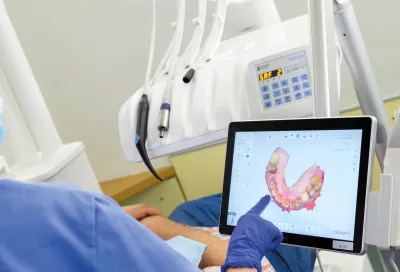
Pioneers in digital dentistry, the Faculty has embraced digitalization and, among other resources, has an exclusive laboratory for CAD CAM technology. The equipment in this laboratory includes milling machines, intraoral scanners, 3D printers, design software, a ceramic furnace, a zirconia sintering furnace, CBCT and iCat, Teckscan, Z4 laptops, and Z4 computers.

Laboratoris protèsics d’última generació
State-of-the-Art Prosthetic Laboratories

UIC Barcelona’s Dentistry Clinic has two advanced prosthetic laboratories equipped with the latest digital imaging technology. These laboratories provide students with access to cutting-edge tools across all areas of dentistry, from prosthesis design and manufacturing to treatment planning and execution. With this high-end equipment, future professionals can practice and refine state-of-the-art techniques, preparing them to excel in a highly competitive professional environment.

Laboratori d’investigació
Research Laboratory

UIC Barcelona has six modern laboratories, one of which is specifically dedicated to dental research. This space allows students and professionals to conduct advanced studies and innovative projects, driving the development of new techniques and treatments in the field of dentistry. Additionally, the other laboratories provide practical and simulation environments that complement training, ensuring that students gain a comprehensive and high-quality experience in all aspects of their academic education.

Laboratori de Preclínica
Preclinical Laboratory

The preclinical laboratory, a high-tech facility, features 95 dental simulators equipped with phantom heads—tools that simulate the oral cavity—as well as X-ray machines and digital radiology equipment for hands-on dental training.

Spanish (secondary language: English)

Academic accreditation

  • 46 ECTS. Clinical Internships in Oral Prosthetics.
Anul·la vista automàtica
Off

Admission process for master's and postgraduate programmes

  • Request information

  • Application for admission

  • Assessment of candidate

  • Result of admission process

    • Admission
    • On hold
    • No admission
  • Deposit paid

  • Enrolment

    Between July and September

    • Tuition paid
  • Welcome!

    You are now part of UIC Barcelona

Admissions criteria

  • Graduate degree in Dentistry.
  • B1 level or similar in Spanish, which will be assessed in the personal interview.


Admission process

To start the admission process you must complete the Program Admission Form found on the University website and follow the steps to attach the following required documentation:

  • Bachelor's Degree or Bachelor's Degree*.
  • Academic transcripts*
  • DNI or Passport
  • Curriculum Vitae
  • General Conditions Document
  • Letter/s of recommendation (recommended, not mandatory).
     

*For students from outside the European Union, both the grades and the Degree certificate must be legalized through diplomatic channels or must bear La Haya Apostille. (No homologated degree is required).

Candidates who are in their final year of studies must provide the academic transcript of grades updated to the date of registration.

Once all the documentation has been received and checked for validity, the registration fee of €90** must be paid and the receipt of payment must be sent to the following e-mail address: infodonto@uic.es ( alumni of UIC Barcelona are exempt from this payment), (**non-refundable for administration costs).

The last step is the personal interview with the directors/coordinators of the Clinical Residency in which the following will be assessed: academic record, personal profile, motivations and aptitudes. The interviews will be held face-to-face on dates that will be confirmed once the previous steps of the process have been completed.

Grants

UIC Barcelona offers various fellowships supported by both public institutes (MEC or AGUAR), as well as private UIC Barcelona funds.

For further information, please check with our admissions department:

Grants offered by UIC Barcelona for master's degrees and postgraduate programmes


Other grants

Those pursuing master's degrees or postgraduate programmes studies at UIC Barcelona are also eligible for other scholarships.

Other grants
 

Financing

In order to make tuition fee payments easier for students, UIC Barcelona offers various financing options through its partner banks.

Financing


239
Post-graduate Degrees
Dentistry
Spanish
English
On site

Presentation

The world of dental prosthetics is currently undergoing a revolution thanks to the incorporation of digital systems. The evolution of adhesion techniques and the use of new materials has seen this aspect of dentistry evolve even faster.

The UIC's clinical residency programme in prosthetics is based on the need for dentists to constantly stay up to date on the latest knowledge required for dental prosthetics. The course programme will be offered through digital and traditional methods, focusing on new concepts in minimally invasive dentistry, such as restorative methods based on adhesion or the use of new materials that require less tooth reduction, in addition to covering both fixed and removable traditional prosthetics, which are useful in everyday practice.

Clinical sessions will be held to discuss patient cases that will later be treated in the clinic by students, under the tutelage and with support from encouraging professors who are trained in the latest techniques. There will also be theory seminars, which will start by covering basic and traditional concepts related to fixed tooth-supported prosthetics and removable prosthetics. Later, the theory sessions will advance towards more modern concepts including digital technology, adhesive restoration and new materials and techniques used to produce more modern dental prostheses. 

Admission application form
Get Informed
1
0
Off

Attend the next Informative Session

The University is organising open days for future university students who would like to know more about our institution and the programmes we offer.

0
Document
/sites/default/files/rc-protesis-bucal-esp.pdf
rc-protesis-bucal-EN (en castellà)
-27
infodonto@uic.es
https://www.instagram.com/odonto_uic/
1
New
English

Clinical Postgraduate Programme in Paediatric Dentistry

Clinical Postgraduate Programme in Paediatric Dentistry
editor
930192304
Limited
1 academic year

The Faculty of Dentistry has the University Dental Clinic (CUO) as the main training center for its students. Currently, at the Sant Cugat Campus, we have the following facilities:

Clínica Universitària d’Odontologia (CUO)
UIC Barcelona’s University Dental Clinic (CUO)

UIC Barcelona’s University Dental Clinic (CUO) has 88 dental care booths, all equipped with cutting-edge technology, including:

68 general dentistry care booths

4 care booths for special-needs patients

16 surgery care booths

Care booths for conscious sedation

Agreement with the Hospital Universitari General de Catalunya (HUGC Quirón) to treat patients under general anesthesia

Aula de simulació clínica
Clinical Simulation and New Technologies Classroom

New clinical simulation classroom: with this step, virtual reality is introduced into student training, enhancing their education while also serving as a valuable tool in new teaching methodologies. This is another step forward in innovation and the improvement of student training. This laboratory, together with the preclinical laboratory, allows students to practice dentistry with great realism before working on actual patients.

Laboratori exclusiu per a tecnologia CAD CAM
Exclusive Laboratory for CAD CAM Technology

Pioneers in digital dentistry, the Faculty has embraced digitalization and, among other resources, has an exclusive laboratory for CAD CAM technology. The equipment in this laboratory includes milling machines, intraoral scanners, 3D printers, design software, a ceramic furnace, a zirconia sintering furnace, CBCT and iCat, Teckscan, Z4 laptops, and Z4 computers.

Laboratoris protèsics d’última generació
State-of-the-Art Prosthetic Laboratories

UIC Barcelona’s Dentistry Clinic has two advanced prosthetic laboratories equipped with the latest digital imaging technology. These laboratories provide students with access to cutting-edge tools across all areas of dentistry, from prosthesis design and manufacturing to treatment planning and execution. With this high-end equipment, future professionals can practice and refine state-of-the-art techniques, preparing them to excel in a highly competitive professional environment.

Laboratori d’investigació
Research Laboratory

UIC Barcelona has six modern laboratories, one of which is specifically dedicated to dental research. This space allows students and professionals to conduct advanced studies and innovative projects, driving the development of new techniques and treatments in the field of dentistry. Additionally, the other laboratories provide practical and simulation environments that complement training, ensuring that students gain a comprehensive and high-quality experience in all aspects of their academic education.

Laboratori de Preclínica
Preclinical Laboratory

The preclinical laboratory, a high-tech facility, features 95 dental simulators equipped with phantom heads—tools that simulate the oral cavity—as well as X-ray machines and digital radiology equipment for hands-on dental training.

Spanish (secondary language: English)

Objectives

The aim of this clinical residency in paediatric dentistry is to cover the most important, practical and useful topics in paediatric dental practice: restorative and pulp treatments in temporary and young permanent dentition, managing the behaviour and sedation of paediatric patients, basic concepts in orthopaedic treatment, etc.

The clinical residency alternates theoretical classes with clinical case presentations, literature reviews and clinical practice with paediatric dental patients from the Universitat Internacional de Catalunya.

Anul·la vista automàtica
Off

Admission process for master's and postgraduate programmes

  • Request information

  • Application for admission

  • Assessment of candidate

  • Result of admission process

    • Admission
    • On hold
    • No admission
  • Deposit paid

  • Enrolment

    Between July and September

    • Tuition paid
  • Welcome!

    You are now part of UIC Barcelona

Admission requirements

  • Graduate degree in Dentistry.
  • B1 level or similar in Spanish, which will be assessed in the personal interview.

Admission process

To start the admission process you must complete the Program Admission Form found on the University website and follow the steps to attach the following required documentation:

  • Bachelor's Degree or Bachelor's Degree*.
  • Academic transcripts*
  • DNI or Passport
  • Curriculum Vitae
  • General Conditions Document
  • Letter/s of recommendation (recommended, not mandatory).


*For students from outside the European Union, both the grades and the Degree certificate must be legalized through diplomatic channels or must bear La Haya Apostille. (No homologated degree is required).

Candidates who are in their final year of studies must provide the academic transcript of grades updated to the date of registration.

Once all the documentation has been received and checked for validity, the registration fee of €90** must be paid and the receipt of payment must be sent to the following e-mail address: infodonto@uic.es ( alumni of UIC Barcelona are exempt from this payment), (**non-refundable for administration costs).

The last step is the personal interview with the directors/coordinators of the Clinical Residency in which the following will be assessed: academic record, personal profile, motivations and aptitudes. The interviews will be held face-to-face on dates that will be confirmed once the previous steps of the process have been completed.

Grants

UIC Barcelona offers various fellowships supported by both public institutes (MEC or AGUAR), as well as private UIC Barcelona funds.

For further information, please check with our admissions department:

Grants offered by UIC Barcelona for master's degrees and postgraduate programmes


Other grants

Those pursuing master's degrees or postgraduate programmes studies at UIC Barcelona are also eligible for other scholarships.

Other grants
 

Financing

In order to make tuition fee payments easier for students, UIC Barcelona offers various financing options through its partner banks.

Financing


234
Post-graduate Degrees
Dentistry
Spanish
English
On site

Oral health of babies, children, and adolescents affects the general health of the current child population and in the future adult population. The availability of dentists specialising in the prevention and resolution of the most common oral problems in the paediatric population is therefore essential. 

The Universitat Internacional de Catalunya trains dentists and stomatologists with a clear objective: to allow them to specialise in the diagnosis, prevention and resolution of the most common oral problems in the paediatric population by way of theoretical and practical training.  


When commencing the course, students must bring:

  •  A laptop
  • SLR digital camera (Canon, Nikon, with a 100mm macro lens and macrolite ring flash macrolite or spotlights
  • Rotatory material: Turbine, adapter (*), contra-angle, hand piece, micromotor.
  • Intraoral mirrors and retractors for photographs 

(*) For the adapter, please check the model and that it is compatible.
 

To access the CUO, the student must bring:

  1. Personal protection face screen
  2. Full protection glasses, except in the case of wearing corrective glasses or magnifying glasses. In this case the full protection glasses are not necessary. All other material of special protection will be provided by the clinic.
Admission application form
Get Informed
1
0
Off

Attend the next Informative Session

The University is organising open days for future university students who would like to know more about our institution and the programmes we offer.

0
Document
/sites/default/files/rc-odontopediatria-esp.pdf
rc-odontopediatria-EN (en castellà)
-30
infodonto@uic.es
https://www.instagram.com/odonto_uic/
1
New
English

Clinical Postgraduate Programme in Periodontics

Clinical Postgraduate Programme in Periodontics
editor
930192304
Limited
1 academic year

The Faculty of Dentistry has the University Dental Clinic (CUO) as the main training center for its students. Currently, at the Sant Cugat Campus, we have the following facilities:

Clínica Universitària d’Odontologia (CUO)
UIC Barcelona’s University Dental Clinic (CUO)

UIC Barcelona’s University Dental Clinic (CUO) has 88 dental care booths, all equipped with cutting-edge technology, including:

68 general dentistry care booths

4 care booths for special-needs patients

16 surgery care booths

Care booths for conscious sedation

Agreement with the Hospital Universitari General de Catalunya (HUGC Quirón) to treat patients under general anesthesia

Aula de simulació clínica
Clinical Simulation and New Technologies Classroom

New clinical simulation classroom: with this step, virtual reality is introduced into student training, enhancing their education while also serving as a valuable tool in new teaching methodologies. This is another step forward in innovation and the improvement of student training. This laboratory, together with the preclinical laboratory, allows students to practice dentistry with great realism before working on actual patients.

Laboratori exclusiu per a tecnologia CAD CAM
Exclusive Laboratory for CAD CAM Technology

Pioneers in digital dentistry, the Faculty has embraced digitalization and, among other resources, has an exclusive laboratory for CAD CAM technology. The equipment in this laboratory includes milling machines, intraoral scanners, 3D printers, design software, a ceramic furnace, a zirconia sintering furnace, CBCT and iCat, Teckscan, Z4 laptops, and Z4 computers.

Laboratoris protèsics d’última generació
State-of-the-Art Prosthetic Laboratories

UIC Barcelona’s Dentistry Clinic has two advanced prosthetic laboratories equipped with the latest digital imaging technology. These laboratories provide students with access to cutting-edge tools across all areas of dentistry, from prosthesis design and manufacturing to treatment planning and execution. With this high-end equipment, future professionals can practice and refine state-of-the-art techniques, preparing them to excel in a highly competitive professional environment.

Laboratori d’investigació
Research Laboratory

UIC Barcelona has six modern laboratories, one of which is specifically dedicated to dental research. This space allows students and professionals to conduct advanced studies and innovative projects, driving the development of new techniques and treatments in the field of dentistry. Additionally, the other laboratories provide practical and simulation environments that complement training, ensuring that students gain a comprehensive and high-quality experience in all aspects of their academic education.

Laboratori de Preclínica
Preclinical Laboratory

The preclinical laboratory, a high-tech facility, features 95 dental simulators equipped with phantom heads—tools that simulate the oral cavity—as well as X-ray machines and digital radiology equipment for hands-on dental training.

Spanish (secondary language: English)

Course Objectives

The Clinical Residency in Periodontics programme aims to train dentists to develop a broad theoretical and practical knowledge that will allow them to improve the diagnosis and complete treatment of pathologies associated with periodontics. 

The programme will consist of theoretical classes in clinical periodontics and clinical seminars, which include joint cases with other dental specialities, practical workshops and clinical practice. This eminently practical programme focuses on clinical practice, which includes treating periodontal patients and offering surgical treatments to control periodontal diseases. 

Anul·la vista automàtica
Off

Admission process for master's and postgraduate programmes

  • Request information

  • Application for admission

  • Assessment of candidate

  • Result of admission process

    • Admission
    • On hold
    • No admission
  • Deposit paid

  • Enrolment

    Between July and September

    • Tuition paid
  • Welcome!

    You are now part of UIC Barcelona

Admission criteria

  • Graduate degree in Dentistry.
  • B1 level or similar in Spanish, which will be assessed in the personal interview.
     

Admission process

To start the admission process you must complete the Program Admission Form found on the University website and follow the steps to attach the following required documentation:

  • Bachelor's Degree or Bachelor's Degree*.
  • Academic transcripts*
  • DNI or Passport
  • Curriculum Vitae
  • General Conditions Document
  • Letter/s of recommendation (recommended, not mandatory).


*For students from outside the European Union, both the grades and the Degree certificate must be legalized through diplomatic channels or must bear La Haya Apostille. (No homologated degree is required).

Candidates who are in their final year of studies must provide the academic transcript of grades updated to the date of registration.

Once all the documentation has been received and checked for validity, the registration fee of €90** must be paid and the receipt of payment must be sent to the following e-mail address: infodonto@uic.es ( alumni of UIC Barcelona are exempt from this payment), (**non-refundable for administration costs).

The last step is the personal interview with the directors/coordinators of the Clinical Residency in which the following will be assessed: academic record, personal profile, motivations and aptitudes. The interviews will be held face-to-face on dates that will be confirmed once the previous steps of the process have been completed.

Grants

UIC Barcelona offers various fellowships supported by both public institutes (MEC or AGUAR), as well as private UIC Barcelona funds.

For further information, please check with our admissions department:

Grants offered by UIC Barcelona for master's degrees and postgraduate programmes


Other grants

Those pursuing master's degrees or postgraduate programmes studies at UIC Barcelona are also eligible for other scholarships.

Other grants
 

Financing

In order to make tuition fee payments easier for students, UIC Barcelona offers various financing options through its partner banks.

Financing


235
Post-graduate Degrees
Dentistry
Spanish
English
On site

Introduction to the course

This program is designed to train professional dentists who want to broaden their theoretical and practical/clinical knowledge in the field of Periodontics.
 

This course is mainly practical in nature, and allows for interaction with other dental specialities.

The teaching activity in this postgraduate course is made up of:

  • Theory sessions.
  • Practical pre-clinical sessions (lab sessions and practical seminars).
  • Clinical sessions and clinical practice.


Students will take an active part in the different activities, with guidance from a tutor, in order to acquire relevant knowledge on each subject.

Admission application form
Get Informed
1
0
Off

Attend the next Informative Session

The University is organising open days for future university students who would like to know more about our institution and the programmes we offer.

0
Document
/sites/default/files/rc-periodoncia-esp.pdf
rc-periodoncia-EN(en castellà)
-28
infodonto@uic.es
https://www.instagram.com/odonto_uic/
1
New
English

Clinical Postgraduate Programme in Surgical Techniques Applied to the Oral Cavity

Clinical Postgraduate Programme in Surgical Techniques Applied to the Oral Cavity
editor
930192304
Limited
1 academic year

The Faculty of Dentistry has the University Dental Clinic (CUO) as the main training center for its students. Currently, at the Sant Cugat Campus, we have the following facilities:

Clínica Universitària d’Odontologia (CUO)
UIC Barcelona’s University Dental Clinic (CUO)

UIC Barcelona’s University Dental Clinic (CUO) has 88 dental care booths, all equipped with cutting-edge technology, including:

68 general dentistry care booths

4 care booths for special-needs patients

16 surgery care booths

Care booths for conscious sedation

Agreement with the Hospital Universitari General de Catalunya (HUGC Quirón) to treat patients under general anesthesia

Aula de simulació clínica
Clinical Simulation and New Technologies Classroom

New clinical simulation classroom: with this step, virtual reality is introduced into student training, enhancing their education while also serving as a valuable tool in new teaching methodologies. This is another step forward in innovation and the improvement of student training. This laboratory, together with the preclinical laboratory, allows students to practice dentistry with great realism before working on actual patients.

Laboratori exclusiu per a tecnologia CAD CAM
Exclusive Laboratory for CAD CAM Technology

Pioneers in digital dentistry, the Faculty has embraced digitalization and, among other resources, has an exclusive laboratory for CAD CAM technology. The equipment in this laboratory includes milling machines, intraoral scanners, 3D printers, design software, a ceramic furnace, a zirconia sintering furnace, CBCT and iCat, Teckscan, Z4 laptops, and Z4 computers.

Laboratoris protèsics d’última generació
State-of-the-Art Prosthetic Laboratories

UIC Barcelona’s Dentistry Clinic has two advanced prosthetic laboratories equipped with the latest digital imaging technology. These laboratories provide students with access to cutting-edge tools across all areas of dentistry, from prosthesis design and manufacturing to treatment planning and execution. With this high-end equipment, future professionals can practice and refine state-of-the-art techniques, preparing them to excel in a highly competitive professional environment.

Laboratori d’investigació
Research Laboratory

UIC Barcelona has six modern laboratories, one of which is specifically dedicated to dental research. This space allows students and professionals to conduct advanced studies and innovative projects, driving the development of new techniques and treatments in the field of dentistry. Additionally, the other laboratories provide practical and simulation environments that complement training, ensuring that students gain a comprehensive and high-quality experience in all aspects of their academic education.

Laboratori de Preclínica
Preclinical Laboratory

The preclinical laboratory, a high-tech facility, features 95 dental simulators equipped with phantom heads—tools that simulate the oral cavity—as well as X-ray machines and digital radiology equipment for hands-on dental training.

Spanish (secondary language: English)
Anul·la vista automàtica
Off

Objectives

This programme aims to ensure that students acquire the surgical knowledge necessary to resolve the most common surgical procedures in the field of oral surgery, so they know how to act in different situations to resolve or refer cases depending on their complexity. 

This course will not only allow students to resolve the medical and surgical issues that they may encounter in their daily practice, but it will also allow them to perform basic and complex surgical treatments in the oral cavity in the field of dentoalveolar surgery.

Admission process for master's and postgraduate programmes

  • Request information

  • Application for admission

  • Assessment of candidate

  • Result of admission process

    • Admission
    • On hold
    • No admission
  • Deposit paid

  • Enrolment

    Between July and September

    • Tuition paid
  • Welcome!

    You are now part of UIC Barcelona

Admission requirements

  • Graduate degree in Dentistry.
  • B1 level or similar in Spanish, which will be assessed in the personal interview.

Admission process

To start the admission process you must complete the Program Admission Form found on the University website (www.uic.es/odontologia) and follow the steps to attach the following required documentation:

  • Bachelor's Degree or Bachelor's Degree*.
  • Academic transcripts*
  • DNI or Passport
  • Curriculum Vitae
  • General Conditions Document
  • Letter/s of recommendation (recommended, not mandatory).

*For students from outside the European Union, both the grades and the Degree certificate must be legalized through diplomatic channels or must bear La Haya Apostille. (No homologated degree is required).

Candidates who are in their final year of studies must provide the academic transcript of grades updated to the date of registration.

Once all the documentation has been received and checked for validity, the registration fee of €90** must be paid and the receipt of payment must be sent to the following e-mail address: infodonto@uic.es ( alumni of UIC Barcelona are exempt from this payment), (**non-refundable for administration costs).

The last step is the personal interview with the directors/coordinators of the Clinical Residency in which the following will be assessed: academic record, personal profile, motivations and aptitudes. The interviews will be held face-to-face on dates that will be confirmed once the previous steps of the process have been completed.

Grants

UIC Barcelona offers various fellowships supported by both public institutes (MEC or AGUAR), as well as private UIC Barcelona funds.

For further information, please check with our admissions department:

Grants offered by UIC Barcelona for master's degrees and postgraduate programmes


Other grants

Those pursuing master's degrees or postgraduate programmes studies at UIC Barcelona are also eligible for other scholarships.

Other grants
 

Financing

In order to make tuition fee payments easier for students, UIC Barcelona offers various financing options through its partner banks.

Financing


240
Post-graduate Degrees
Dentistry
Spanish
English
On site

The Degree in Dentistry includes a module on Medical-Surgical Pathology, in which dental students are taught the basic concepts of medical and surgical pathology for the oral cavity.

Many of the practical skills required for surgery are not yet at a level suitable for professional practice during the undergraduate degree, or even during the first years of professional practice. This can be for a number of reasons: lack of practice, loss of knowledge, fear of performing surgery, lack of interest in surgery, etc.

Upon completing the Degree in Dentistry, dentists must be able to face common surgical situations in the field of oral and dentoalveolar surgery calmly and confidently, and over time these skills can fade away unless they are practised. 

This postgraduate programme aims to consolidate and extend basic surgical knowledge for recent graduates, as well as offering training to dentists who wish to acquire skills in the field of oral surgery.  The objective is to offer students clinical and surgical knowledge that will help them assess and resolve common surgical situations in oral and dentoalveolar surgery.  

Students can bring their own surgical equipment at the beginning of the course, if they so choose. 

The university has all the necessary materials for this Clinical Residency course.


To access the CUO, the student must bring:

— Personal protection face screen

— Full protection glasses, except in the case of wearing corrective glasses or magnifying glasses. In this case the full protection glasses are not necessary. All other material of special protection will be provided by the clinic.

Admission application form
Get Informed
1
0
Off

Attend the next Informative Session

The University is organising open days for future university students who would like to know more about our institution and the programmes we offer.

0
Document
/sites/default/files/rc-tecnicas-quirurgicas-esp.pdf
rc-tecnicas-quirurgicas-EN (en castellà)
-26
infodonto@uic.es
https://www.instagram.com/odonto_uic/
1
New
English

Postgraduate Degree in Oral and Maxillofacial Radiology

Postgraduate Degree in Oral and Maxillofacial Radiology
editor
930192304
Limited
10 months

The Faculty of Dentistry has the University Dental Clinic (CUO) as the main training center for its students. Currently, at the Sant Cugat Campus, we have the following facilities:

Clínica Universitària d’Odontologia (CUO)
UIC Barcelona’s University Dental Clinic (CUO)

UIC Barcelona’s University Dental Clinic (CUO) has 88 dental care booths, all equipped with cutting-edge technology, including:

68 general dentistry care booths

4 care booths for special-needs patients

16 surgery care booths

Care booths for conscious sedation

Agreement with the Hospital Universitari General de Catalunya (HUGC Quirón) to treat patients under general anesthesia

Aula de simulació clínica
Clinical Simulation and New Technologies Classroom

New clinical simulation classroom: with this step, virtual reality is introduced into student training, enhancing their education while also serving as a valuable tool in new teaching methodologies. This is another step forward in innovation and the improvement of student training. This laboratory, together with the preclinical laboratory, allows students to practice dentistry with great realism before working on actual patients.

Laboratori exclusiu per a tecnologia CAD CAM
Exclusive Laboratory for CAD CAM Technology

Pioneers in digital dentistry, the Faculty has embraced digitalization and, among other resources, has an exclusive laboratory for CAD CAM technology. The equipment in this laboratory includes milling machines, intraoral scanners, 3D printers, design software, a ceramic furnace, a zirconia sintering furnace, CBCT and iCat, Teckscan, Z4 laptops, and Z4 computers.

Laboratoris protèsics d’última generació
State-of-the-Art Prosthetic Laboratories

UIC Barcelona’s Dentistry Clinic has two advanced prosthetic laboratories equipped with the latest digital imaging technology. These laboratories provide students with access to cutting-edge tools across all areas of dentistry, from prosthesis design and manufacturing to treatment planning and execution. With this high-end equipment, future professionals can practice and refine state-of-the-art techniques, preparing them to excel in a highly competitive professional environment.

Laboratori d’investigació
Research Laboratory

UIC Barcelona has six modern laboratories, one of which is specifically dedicated to dental research. This space allows students and professionals to conduct advanced studies and innovative projects, driving the development of new techniques and treatments in the field of dentistry. Additionally, the other laboratories provide practical and simulation environments that complement training, ensuring that students gain a comprehensive and high-quality experience in all aspects of their academic education.

Laboratori de Preclínica
Preclinical Laboratory

The preclinical laboratory, a high-tech facility, features 95 dental simulators equipped with phantom heads—tools that simulate the oral cavity—as well as X-ray machines and digital radiology equipment for hands-on dental training.

Spanish (secondary language: English)

Objectives

  • To provide students with the main management concepts and tools they need, so that they can be able these aspects in their own dental clinics or professional workplace.
  • Students will receive a diploma attesting to their knowledge in this field.
  • The course professors are experts in each of their different areas, and they take a practical approach that adapts to the curricular profile of the students. 


The fundamental objective of the study plan for the Postgraduate Degree in Oral and Maxillofacial Radiology at the Universitat Internacional de Catalunya is to train professionals who are capable of applying the scientific knowledge and technical skills acquired to provide oral and maxillofacial radiology in an ethical, efficient and safe manner.

To meet this fundamental objective, the study plan we propose covers the following:

  1. An understanding of the principles, means and protection measures required when dealing with radiation, as well as how to handle different dental x-ray equipment.
  2. Providing students with the ability to design, analyse, execute and interpret radiological images in Dentistry. Knowing how to employ different radiographic techniques. Knowledge of how to use highly specialised software to diagnose the oral and maxillofacial region through imaging.
  3. The ability to develop knowledge and skills related to the methodological aspects of oral and maxillofacial radiology, with special emphasis on teaching and research possibilities.
  4. To show the ability to share scientific knowledge, according to the accepted criteria of presentation, writing and publication in the scientific community.
  5. Management abilities, so that dental specialists have the necessary skills to manage his or her own diagnostic centre.


In order to properly build the specific skills required for this degree, we have established a correlation between each skill and the objectives set, to ensure that they have been covered satisfactorily. 

Academic accreditation

  • 30 ECTS, Postgraduate Degree in Oral and Maxillofacial Radiology

Competences

In the various fields of action of the Specialist in Oral and Maxillofacial Radiology, competences include: 

In relation to the previous considerations about image exams  

To be undertaken by professionals whose standard criteria is to protect their patients according to the international regulation for the reduction of the radiation doses to a reasonable minimum in order to obtain diagnostic benefits (ALARA criteria). 

In order for your professional work in Oral and Maxillofacial Radiology to always consider the cost-benefit relationship between the characteristics and quantity of the exams that are necessary and most suitable for each particular case then thisneeds to be considered. The reason for this is so that your activities can be undertaken in the way that causes the least damage when using ionising radiation and also with a view to the most suitable level of resolution of clinical concerns for which each patient will have been informed about the respective image examinations that will be used. 

Given the continuous progress on the scientific and technological progress in Oral and Maxillofacial Radiology places a critical attitude and permanently updates information which allows them to suitably adopt the concepts which constitute a benefit to this discipline in dentistry in order to put them into practice, the reason why continuing academic education is its natural characteristic. 

The image examinations themselves  

Students must acquires the skills to correctly indicate conventional and highly complex imagine examinations according to the characteristics of each clinical profile, with one of them being a permanent advisor for general dentistry, specialist dentistry and, sometimes, also a medical surgeon, in order to suitably complement the information coming from clinical discoveries in the oral and maxillofacial fields.  

In this way Oral and Maxillofacial Radiology contributes to the various stages involving the diagnosis, control and the treatment of local pathologies, while generating information which complements clinical discoveries and allows students to estimate the prognosis for existing pathologies. 

Students must be trained to undertake conventional radiographic exams, as well as ensure that they are critically and correctly advised when undertaking the most complex exams, with the aim of always using the available technology efficiently on the private and public network of image provider services. 

This professional has the most authority to interpret the images obtained from these exams both in terms of pathologies related to the motive that led to the exam request, and in terms of the discoveries made thereby, always based on the aim of returning to or preserving good oral health. The healthcare team will provide this as a comprehensive service to their patients. 

In terms of their tasks in the healthcare team  

In order to do this these professionals must be able to work in a team, whenever Oral and Maxillofacial Radiology activities are in essence an activity involving advice and are complementary to clinical activity, whatever the dental specialisation and eventually the medical specialisation is, that requires their services. 

Likewise, the image discoveries can be correlated with the clinical and epidemiological realities of each individual in particular and of the entire population in general and, since he or she also knows the national systems of healthcare planning in the area of dentistry, can be undertaken both in the public and the private sector. 

Oral and Maxillofacial Radiology has the ability to guide or contribute to the scientific research that is carried out in relation to the particular work of the specialisation or for which the specialisation provides support.  It likewise has the potential to make the activities known and to equip suitably accredited assistants to undertake tasks to support the field of this specialisation. 

At the same time, Oral and Maxillofacial Radiology has the required competences to provide their opinions on legal or expert issues with back-up when the pertinent authorities consider it to be necessary. 

In terms of responsibility  

Further to all of the above, the specialist is responsible for the procedures and results of the work towards the specialisation they are responsible for administrating. At the same time they will be responsible for raising awareness among the corresponding administrative authorities about any eventual irregularities which they will become involved in during their work or which will be present in the clinical guidelines which regulate their activity in the public and private healthcare networks which offer image diagnosis services. 

Anul·la vista automàtica
Off

Admission process for master's and postgraduate programmes

  • Request information

  • Application for admission

  • Assessment of candidate

  • Result of admission process

    • Admission
    • On hold
    • No admission
  • Deposit paid

  • Enrolment

    Between July and September

    • Tuition paid
  • Welcome!

    You are now part of UIC Barcelona

Admission requirements

  • Graduate degree in Dentistry.
  • B1 level or similar in Spanish, which will be assessed in the personal interview.

Application process

To start the admission process you must complete the Program Admission Form found on the University website and follow the steps to attach the following required documentation:

  • Bachelor's Degree or Bachelor's Degree*.
  • Academic transcripts*
  • DNI or Passport
  • Curriculum Vitae
  • General Conditions Document
  • Letter/s of recommendation (recommended, not mandatory).


*For students from outside the European Union, both the grades and the Degree certificate must be legalized through diplomatic channels or must bear La Haya Apostille. (No homologated degree is required).

Candidates who are in their final year of studies must provide the academic transcript of grades updated to the date of registration.

Once all the documentation has been received and checked for validity, the registration fee of €90** must be paid and the receipt of payment must be sent to the following e-mail address: infodonto@uic.es (Alumni of UIC Barcelona are exempt from this payment), (**non-refundable for administration costs).

The last step is the personal interview with the directors/coordinators of the Program in which the following will be assessed: academic record, personal profile, motivations and aptitudes. The interviews will be held face-to-face on dates that will be confirmed once the previous steps of the process have been completed.

Grants

UIC Barcelona offers various fellowships supported by both public institutes (MEC or AGUAR), as well as private UIC Barcelona funds.

For further information, please check with our admissions department:

Grants offered by UIC Barcelona for master's degrees and postgraduate programmes


Other grants

Those pursuing master's degrees or postgraduate programmes studies at UIC Barcelona are also eligible for other scholarships.

Other grants
 

Financing

In order to make tuition fee payments easier for students, UIC Barcelona offers various financing options through its partner banks.

Financing


236
Post-graduate Degrees
Dentistry
Spanish
English
Online
Blended learning

In accordance with the general objectives of the Universitat Internacional de Catalunya, the Faculty of Dentistry aims to provide an educational service to society by providing teaching and scientific research tasks to offer professional training and scientific, cultural and human education to students, as well as developing activities that promote culture.

Constant changes in the global environment require continuous professional development as well as improved critical thinking skills. As a result, it is important to seek, expand and develop understanding in a given field of knowledge, in order to solve problems, generate new knowledge and achieve professional skills through instruments that allow specialists to play a part in the field of scientific research, in addition to training them in higher education methodologies and strategies so they can adequately transmit that knowledge.

The saturation of the labour market, as a result of the large number of graduates who will enter the market in the coming years, will mean that recent graduates need to look for alternatives other than traditional in-person specialist training.

The Degree in Dentistry qualifies prepares students to enter the dental profession, but in recent years a number of specialities have appeared within the profession, which, although not yet recognised and without a legal regulatory framework, are expected to be regulated in the near future. 

In countries such as the United States, Chile and the United Kingdom, Oral and Maxillofacial Radiology is a recognised speciality. In order to practice in this field, students need a Degree in Dentistry and to complete an official programme that varies in duration between two and three years. As it stands, to our knowledge there are currently no postgraduate programmes in this field in Spain.

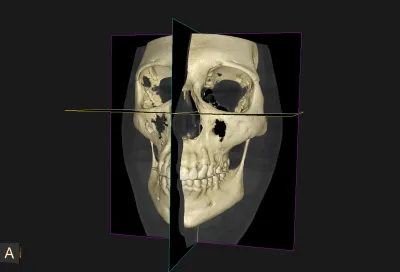
A decade ago, after disruptive innovations, difficult-to-access medical scanners were replaced in our field by cone beam computed tomography. This equipment allows us to obtain images from all over the region in our dental clinic, providing clinicians with an enormous amount of information that has changed the way we understand a number of pathologies.

Exposing patients to lower doses of radiation, combined with the practicality of carrying out examinations in the dental surgery, mean it essential to train the dentists in the maxillofacial radiology. Many practising professionals have not yet received training in how to interpret the scans they receive.

Having been accustomed to interpreting panoramic x-rays or orthopantomogramme, dentists face the issue that their examinations are not properly informed, and that they may not diagnose existing pathologies during examinations, with the consequent medico-legal risk.

Admission application form
Get informed
1
0
Off

Attend the next Informative Session

The University is organising open days for future university students who would like to know more about our institution and the programmes we offer.

0
Document
/sites/default/files/postgrado-radiologia-oral-maxilofacial-esp.pdf
postgrado-radiologia-oral-maxilofacial-EN (en castellà)
-25
infodonto@uic.es
https://www.instagram.com/odonto_uic/
1
New
English
Off