

Bachelor’s Degree in Primary Education


Home
- Type of programme
- Official degrees
- Campus
- Campus Sant Cugat
- Duration
- 8 semesters
- Credits
- 240 ECTS
- Schedule
- Mornings
- Language
- Catalan, Spanish and some subjects in English
- Places
- 90
- Modality
- On site


Why study Primary Education at UIC Barcelona?
The Bachelor's Degree in Primary Education at UIC Barcelona prepares you to become an innovative and dedicated teacher with a multidisciplinary perspective, specialising in the education of children aged 6 to 12. Throughout your studies, you will develop skills in active methodologies and grow with a global mindset about the sciences of education that will allow you to successfully face the educational challenges of the 21st century.
- Experts in internships
Our internship system, with agreements with more than 2,000 schools, provides a meaningful learning experience across diverse educational contexts. Internships are directly linked to the subjects students are taking, through a validated alternating methodology that strengthens the connection between theory and practice.
We also offer international internships (in Finland, Ireland, the United Kingdom, Slovenia, and more), as well as transformative experiences in hospital classrooms and in developing countries. - High employability
Our graduates achieve a high employability rate. Throughout your studies, you’ll take part in career development sessions and training activities to support your professional transition.
- Immerse yourself in the science of learning
Learn the teaching profession through a range of active methodologies. Benefit from the experience of a research-oriented teaching staff who bring the current vision of education into the classroom. We prepare you to manage a classroom, guide families, and collaborate with other educational professionals. Enrich your professional profile with certified first aid training.
- Go international with our Bilingual Groups
Take 70% of your credits in English and graduate with a C1 level. Our bilingual program will open new professional doors for you in an increasingly globalized educational environment. Complete your internships in international schools, either in Spain or abroad, and develop a global learning mindset from day one.
- Explore the impact of Artificial Intelligence in Education
Through seminars and subjects focused on digital education, you will reflect on the positive impact artificial intelligence will have on your future teaching practice and on your students’ learning experience.
- A Faculty where your options double
Take on the challenge of a Double Degree in Psychology or Humanities. Complete the Early Childhood–Primary double degree in just one additional academic year. Study for a Double Degree in Education in California, at Westcliff University, and gain access to professional experience in the United States.
- State-of-the-art facilities
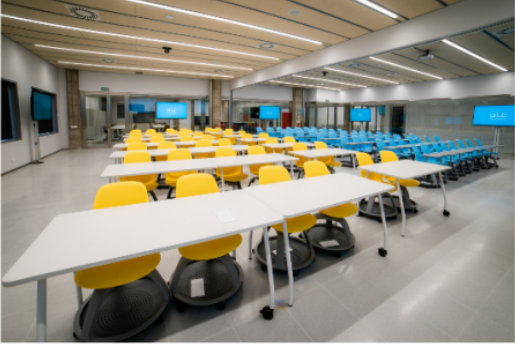
Train in innovative classrooms equipped with advanced technology and versatile furniture that enhances teaching skills and fosters collaborative work. Discover our laboratories and the Domo, a geodesic greenhouse designed for educational purposes.
The Degrees of Education in numbers
In the bachelor's degrees in Education of UIC Barcelona, we want to maximise your skills and proficiency.

Thanks to the variety of agreements that the faculty has with different countries, in January I will be doing my final work placement at a school in London.
We offer our students comprehensive support throughout their education and training.
We are united by our social responsibility to train committed, humanist teachers, with a spirit of service, with a high level of competence, prepared for inclusion. We want to actively contribute to the improvement of our country's education system. We offer our students comprehensive support throughout their studies.
A transversal curriculum
We are located on the health campus, convinced that innovative and effective education has to be based on scientific evidence. We are driven by a passion to train humanistic and rigorous teachers.
We work with health professionals to enrich our curriculum, thanks to links with health science degrees.
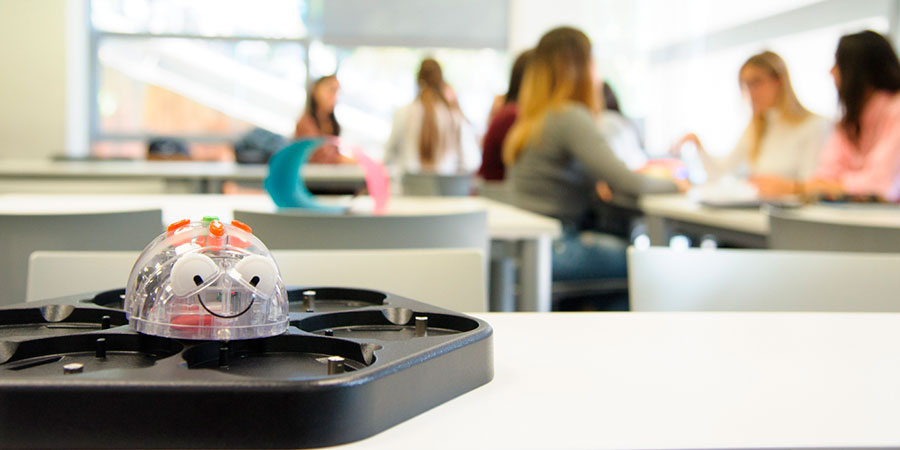
Promotion of STEAM education
Through projects financed by the European Union, we have established collaboration and knowledge transfer agreements with educational institutions to promote STEAM (Science, Technology, Engineering, Art and Mathematics) education and develop transversal competencies in the integration of these disciplines.
Train as a teacher in classrooms designed for learning
Our students are trained in technologically advanced classrooms to implement active methodologies, with physical resources that facilitate cooperative work and teaching innovation. Our classrooms favour active and transformative learning.

Study abroad for a period of time
As a student of this degree you can take part of your studies or do an internship abroad, with academic recognition. Spend a semester or a year at one of your faculty's partner universities, or find a company abroad to do an internship. In addition, you can obtain part of the ECTS credits during the summer at the Berkeley Summer Sessions offered by the best public university in the world.
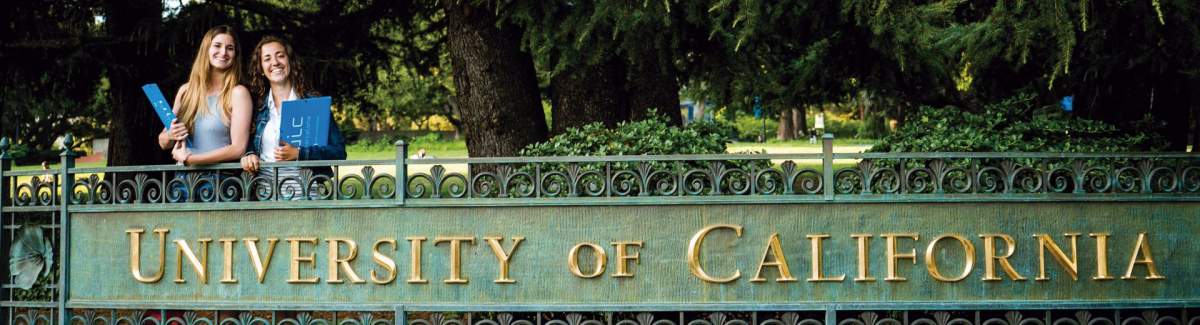
Students encouraged to improve education
We want to educate teachers who are aware of their transformative role in the daily life of society, with a passion for lifelong learning.
Additional information
Other similar studies
- Bachelor's Degree in Pre-Primary Education
- Bachelor's Degree in Pre-Primary Education (Bilingual Group)
- Bachelor’s Degree in Primary Education in English (Bilingual Group)
- Double Bachelor's Degree in Pre-School Education + Primary Education
- Double Bachelor's Degree in Primary Education + Humanities and Cultural Studies
- Double Bachelor’s Degree in Primary Education + In Pre-School Education
Presentation
Today's children are the future. Enriching their growth and providing them continuing education is more than a responsibility. At UIC Barcelona, this is our guiding principle: we work today to improve tomorrow. We will train you to become a professional with human skills that transform and enrich society. With a sensitivity towards and enthusiasm for working with children, and a capacity for self-criticism, flexibility and transmitting culture.
The Bachelor's Degree in Pre-Primary Education focuses on education during the first 6 years of a child's life, while holders of a degree in Primary Education are responsible for education between the ages of 6 and 12.
After graduation you may decide to either enter the job market (in Spain you must hold this official qualification to work as a teacher) or pursue a master's degree (in any country within the European Higher Education Area (EHEA)) and afterwards start your doctoral thesis.
Objectives
Our education is target-based. The Bachelor's Degree in Primary Education will provide:
- A sound command of all applicable course content. You will learn to design, plan and convey processes.
- Knowledge of how language develops in a multicultural and multilingual environment. The ability to teach in Spanish, Catalan and another foreign language, as well the good habit of reading in other languages.
- Sensitivity towards diversity and gender equality and respect for human rights and civic values.
- Techniques to ensure peaceful co-existence in the classroom through emotional education and autonomy, encouraging hard work, persistence and discipline.
- Out-of-classroom skills relating to school organisation, tutoring sessions for parents or your relationship with other education agents. Preparation for the demands of today's society.
- Knowledge of how to introduce students to the digital world and add cultural richness through new pedagogical possibilities.
- Appreciation for collaborative work, critical thinking, commitment to a sustainable future, health, hygiene and physical education as means of personal and social development.
Prospective students
If you are a people person and feel the world of education is your calling, the Bachelor's Degree in Primary Education is right for you.
The following are some of the aptitudes our students share:
- An interest in teaching
- Good oral and written communication skills
- Creativity
- Sensitivity towards artistic expression
- Ability to relate to others
- Observation skills
Competences: Graduates
Your competences are what set you apart as a teacher who is useful to society.
- Cross-disciplinary competences
Information technology and communication, languages (Catalan, Spanish, English), critical thinking and reflective analysis, creativity. - Teacher-specific competences
Expertise in the subjects you teach and the teaching methods you employ, ability to work with colleagues and other staff members, professional development. - Subject-specific competences
Competences you will develop through a number of diverse methods such as lectures, case studies, problem solving and problem-based, project-oriented, cooperative and independent learning.
At UIC Barcelona we will assess your competences through: objective exams, assignments and projects, portfolios, reports, self-evaluation, interviews, etc.
Academic accreditation
Graduado o Graduada en Educación Primaria por la Universitat Internacional de Catalunya.
Curriculum
Internship
Internship
The institutions in which the work experience can be carried out will either be state owned, partially state owned or private.
In the two former cases, the centers must be accredited by the Departament d'Ensenyament of the Generalitat de Catalunya.
In the third case agreements for bilateral collaboration are made between universities and institutions in Catalonia, outside Catalonia, and abroad.
Objectives
The main objective of this work experience is for students to develop the necessary skills so that they are able to establish a relationship between theory and practice. In order to achieve this it is necessary for the student to be able to observe and carry out a descriptive and interpretative analysis of contexts, be able to intervene, first with guidance and then independently and also be able to make proposals and / or develop projects tailored to the needs of the real context of work experience.
Operation
External work experience is educational in nature and forms part of the compulsory practicum module.
The practicum module includes the following subjects:
- Work Experience in Schools I
- Work Experience in Schools II
- Work Experience in Schools III
Regulations
External work placements are regulated by legal rules and external regulations. The legal rules are based on signing a preliminary agreement which establishes the agreements and commitments entered into by the institutions, universities and the work experience students. Insurance is covered by the enrolment fees.
The internal regulations set out the guidelines to be followed in each of the external work placements and define the tasks for the tutors in the centres, for universities and for the students on a placement. The teacher's guides for each subject contain details of these regulations.
Facilities
An innovative environment to optimise your learning
We have innovative spaces, equipped with cutting-edge technology and resources that promote active methodologies, cooperation, and teaching creativity. An environment designed to inspire you and transform your education.
-
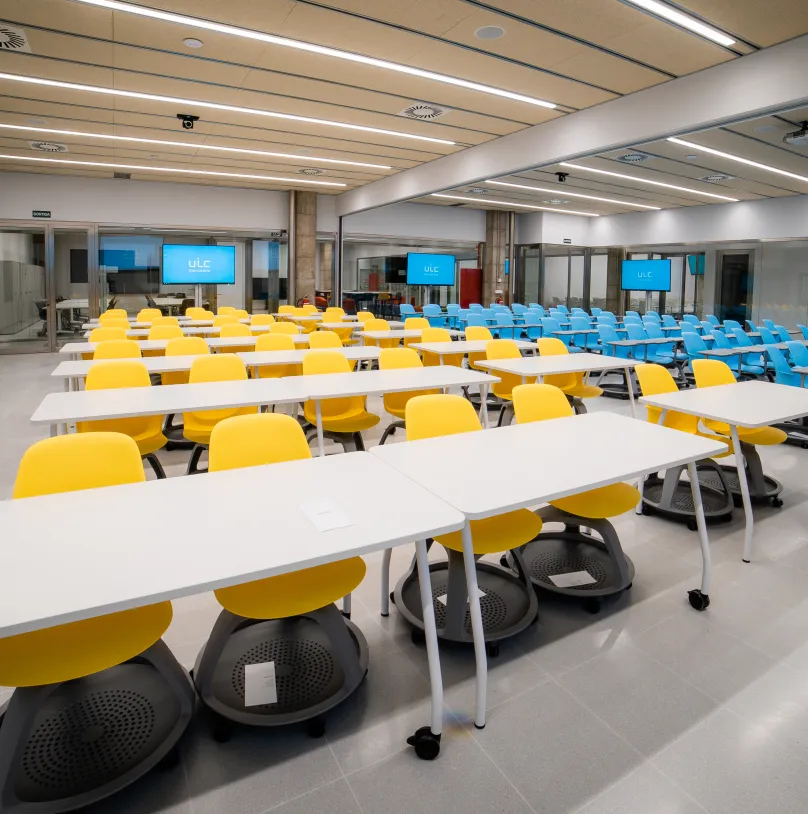 Mobile classrooms
The classrooms are equipped with mobile furniture that allows the space to be adapted to the needs of the moment, promoting collaboration, flexibility, and innovation in active methodologies.
-
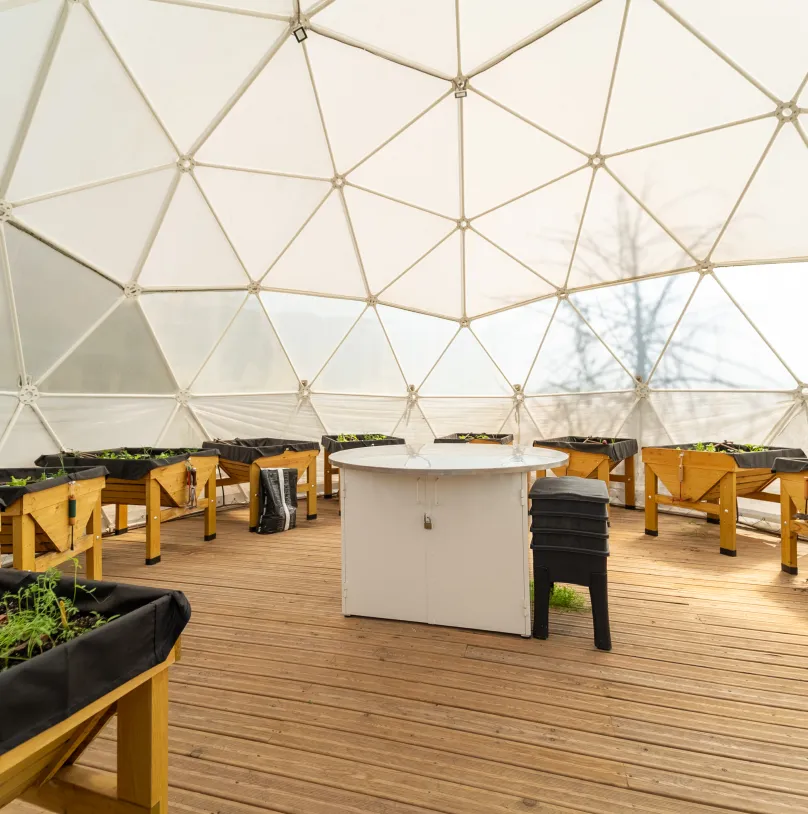 DOMO: Educational greenhouse
The DOMO is a geodetic greenhouse used for pedagogical projects, offering a unique environment to work on practical projects on sustainability and environmental education.
-
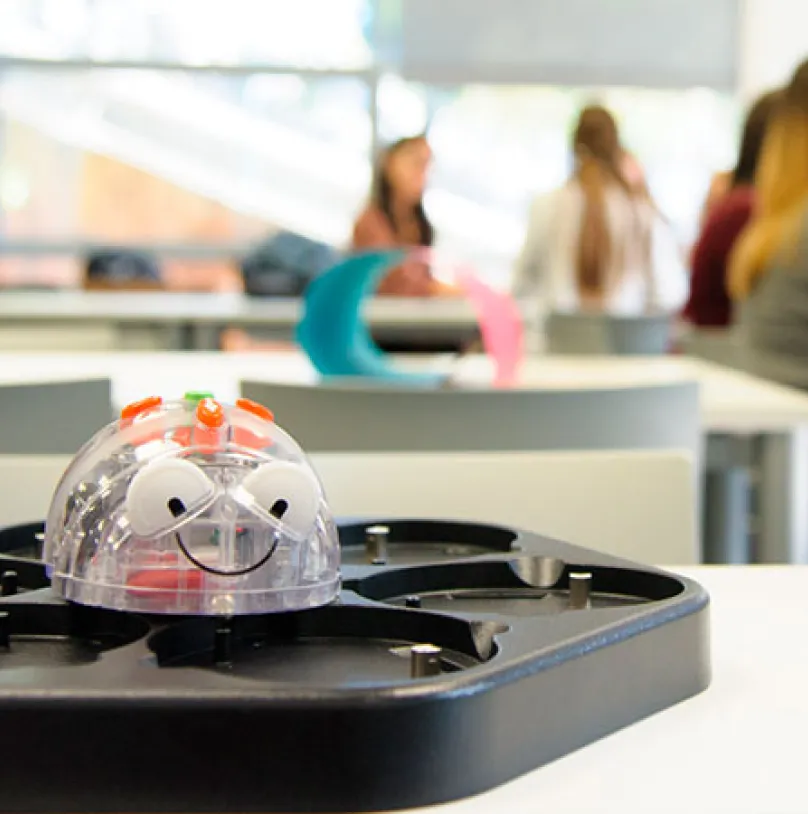 Education laboratories
Education laboratories are designed for teaching experimental subjects. They offer a space to apply theory through practices and develop competencies in innovative methodologies.
-
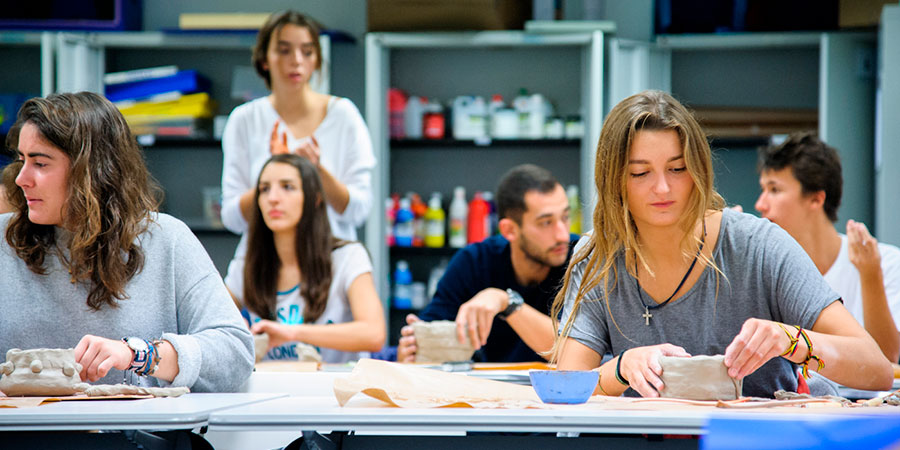
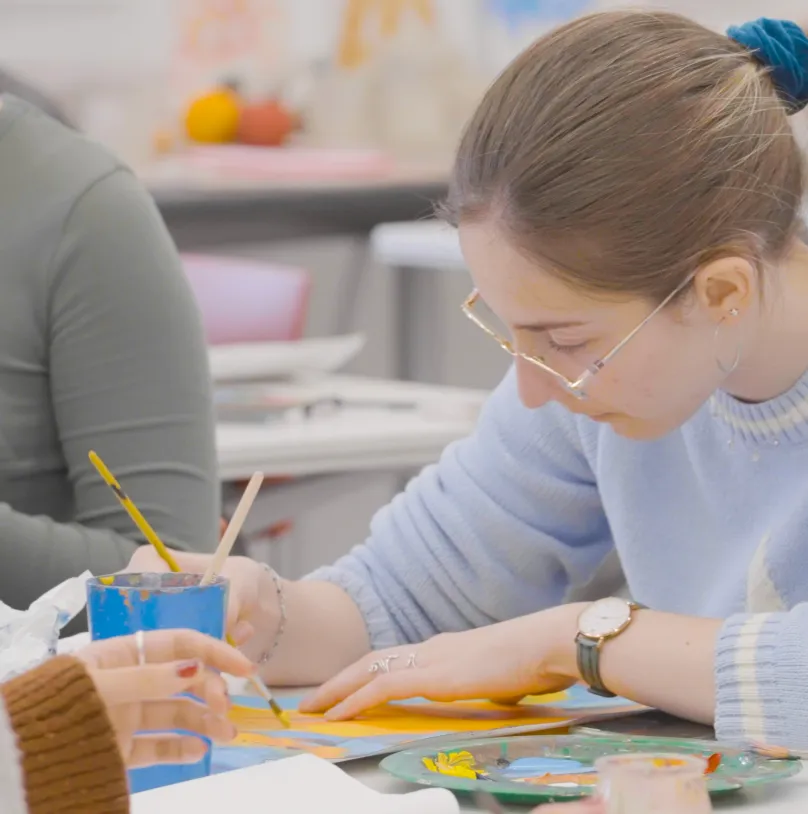 Art classroom
In the art classroom, students can work individually or in groups with various materials, stimulating creativity, manual work, and artistic expression within the educational process.
-
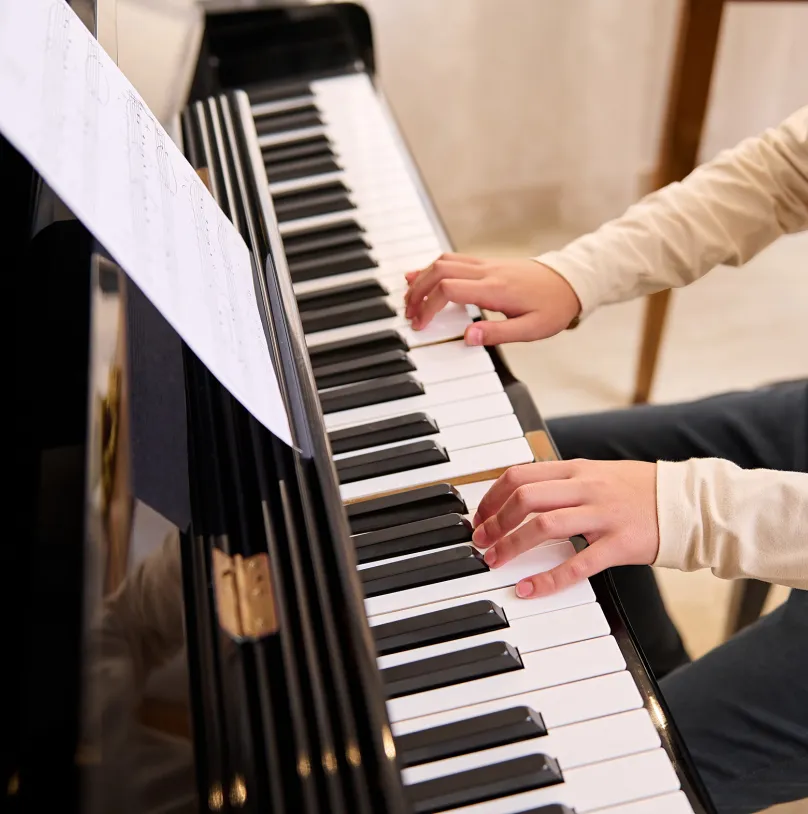 Music and dynamics classroom
The music classroom is equipped for dynamic and creative activities, allowing students to explore techniques and musical resources in an interactive and enriching environment.
-
 Library
A spacious and modern space, ideal for both individual and group study. It has an extensive collection of educational resources, both in physical and digital formats, which support continuous learning.
Professional Career
Professional opportunities
Those who complete the programme and gain the corresponding degree are qualified to begin professional careers as teachers. The degree certificate allows graduates to organize activities in both public and private schools. Graduates may also choose to work in the following areas:
- Publishing houses
- Resource centres
- After-school facilities and recreational clubs
- Educational teams in museums
- Non-formal educational activities
Teaching team
The teaching team in the Faculty of Education consists of professionals who train future teachers using the most innovative methodologies. They are also involved in important research activities both inside and outside the university. Direct contact with professional practice allows our professors and lecturers to transmit a comprehensive, multidisciplinary and human overview of the reality in the sector to students.
Our teaching and research team
- a - f
- g - m
- n - r
- s - v
- w - z
ALBAREDA TIANA, Sílvia
Department of Education
salbareda@uic.esTel. +34 932 541 800 Ext. 6113, 4146


Open days
Attend the next Open Day
The University is organising open days for future university students who would like to know more about our institution and the programmes we offer.
Prerequisites & admissions
PAP Test
From the 2024-2025 academic year onwards, the Personal Aptitude Tests (PAP), organised and externally evaluated by the Interuniversity Council of Catalonia (CIC), will have to be passed before admission to the bachelor’s degree, or during the first year of the studies.
The Faculty of Education Sciences offers a PAP online preparatory course.
Application for admissions
To register for a bachelor’s degree in Primary at UIC Barcelona, click on the following link and complete the application form:
Entrance Examinations
After submitting your application you are required to take an entrance exam on our Barcelona Campus. You may take it at any one of the available times.
Required documentation
Check out the documentation you need to be admitted to UIC Barcelona. We believe there are many ways to start your new life at university. Click on the following link for all necessary information:
Reservation and enrolment
If you have received an acceptance letter, all you need to do is pay 20% of the full cost of the first year. Once your enrolment is complete, you must pay the remaining 80% in one lump sum.
Acces routes
How can I access UIC Barcelona? Click on the following link for information on all possible routes.
Recognition and transfer of credits
Prices, grants and financial aid
Price
Grants
UIC Barcelona offers various fellowships supported by both public institutes (MEC or AGUAR), as well as private UIC Barcelona funds.
For further information, please check with our admissions department:
Other grants
Those seeking undergraduate degrees at UIC Barcelona may be, also, eligible for other different grants.
Financial aid
UIC Barcelona is committed to ensuring that nobody with a true aptitude and zest for learning should have to drop out of a degree for financial reasons. Student Services offers information and personalised assistance so that students can access these grants and financial aid.
FAQ
FAQsGeneral information
- How many places are available at the Faculty of Education?
There are 80 places available across our degree programmes in Education and 90 places on our bachelor’s degrees in primary Education. The places are divided into smaller groups depending on the subject. The new double degrees in Pre-Primary Education with Psychology and in Primary Education with Psychology, offer a total of 10 places.
- How much does a bachelor’s degree in education cost?
The price depends on the degree programme. You can check the cost of credits at uic.es/educación
- What kind of grants or funding can I get to study education at UIC Barcelona?
You can check our website for all options regarding grants, discounts or free enrol- ment, as well as funding conditions. If you have an average mark of 8 from your first year of upper secondary school, or a 9 from your first year of CFGS, you can apply for an Academic Excellence Grant. (uic.es/becas).
- When will exams be held?
From 3 to 5.30 p.m. approximately.
- How and where are the exams held?
To ensure candidates’ safety, we have decided to hold all entrance exams online. Before the exam, we will send you all the information you need to access it (how to log in, your username, password, timetables, etc.)
- When do the practicums start?
The external placements are divided into three subjects that combine alternating placements in the 2nd and 3rd years with intensive placements in the 4th year, with the aim of facilitating the observation and reflection processes of the students. The duration of the placement is 3 alternate weeks in the 2nd year, 6 alternate weeks in the 3rd year, and 14 intensive weeks in the 4th year. The list of accredited training centres and centres with bilateral agreements is provided by the faculty, and placements are carried out in accordance with the regulations set out in the Practicum Manual.
Access routes
- Can I apply for the entrance examinations with any upper secondary school qualification?
Yes, you can apply from any type of upper secondary school qualification.
- Can I apply to sit the entrance examinations from any higher level vocational training course (CFGS)?
Yes. And in addition, depending on the CFGS, students can have up to 30 ECTS credits officially recognised.
- If I have already completed a bachelor’s degree, do I have to take the entrance exams?
Yes, everyone has to take the entrance exams.
- Can any of my subjects be officially recognised if I have already started university studies?
Yes, you can request that your subjects be officially recognised, especially if your previous degree programme was in the same field of knowledge: Social Sciences.
Entrance exams and the admission process
- What is the cut-off mark for accessing a degree programme in education?
Your admission will depend on the outcome of our University’s entrance exams, in addition to passing the PAU (national Spanish university entrance examinations) and the PAPs (personal aptitude test).
- What do the entrance exams involve?
They involve: a psycho-technical test, an English test, a specific Spanish and Catalan language test, a general culture test and a one-to-one interview. All of these tests are sat the same day.
- Do I have to pass the PAPs to be able to access a bachelor’s degree in education at UIC Barcelona?
The PAP tests are not an admission requirement for non-profit private universities, but they are part of an agreement to improve the profile of future teachers. If you have not passed the test before beginning your studies at the Faculty, you must do so during your first year.
- Per què es recomana tenir les PAP?
Recomanem tenir aprovades les PAP des del moment de l’admissió. Durant el transcurs del grau volem assegurar-nos que tots els estudiants les hagin aprovat, com a repte de millora personal i com a valor afegit a l’hora de postular-se a futures oposicions.
- Can I look up past entrance exam papers?
We do not provide past papers from previous years’ exams. In the case of the specific tests, we suggest that you revise one or more first-year upper secondary school text books. And for the psycho-technical test, you can find examples on the internet that give you an idea of the style of the exam.
- What level of English is required for the exam?
You do not need to have a minimum level of English to access the bachelor’s degrees in education, we only request a minimum B2 level in the case of bilingual subjects on bachelor’s degrees and double degrees.
- Quin nivell d’anglès necessito per cursar els estudis de l’English Programme?
Per a l’alumnat que vol cursar l’English Programme es demanarà un nivell igual o superior al B2.
- How are the marks from both my academic record and the entrance examinations weighted?
65% is attributed to your academic transcript, 25% to the entrance exams and 10%, to the one-to-one interview.
- Can I choose the date of the entrance exam?
You can request a specific date, but you must wait for a notification from the Admissions Department who, after reviewing your documentation will confirm the date of your test via email. The number of places will decrease as the exam sittings take place. In general, we recommend attending the first calls. You can see the entrance exams dates by visiting: uic.es/ca/admissions/graus/ proves-admissio.
- When will I find out the results of the entrance exams?
The results will be sent via email approximately 15 working days after the exams have been taken.
- If I am ‘not admitted’ can I attend the following call during the same academic year?
No, you can only attend one call per academic year.
- If I am admitted, what is the next step?
You will receive a letter of admission containing information about the next steps to take in order to reserve your place which means paying 20% of the fee for the first year. You will pay the remaining 80% during the enrolment period, between July and September.
- If I choose not to study at UIC Barcelona after having reserved a place, will the reservation fee be refunded to me?
The reservation fee will only be refunded if you do not pass upper secondary school or pass the PAPs. This clause is laid out in our General Terms and Conditions.
International mobility
Study abroad temporarly
In the seventh semester, there is an opportunity for students to undertake study visits in Spanish universities (SIQUE agreement), European universities (Erasmus agreement) and international universities (bilateral agreement, without grants).
In the eighth semester, there is an opportunity to undertake work experience abroad. If a student would like to apply to a school in Europe, then he or she can apply for an Erasmus Training grant, with European funding, through the UIC’s International Relations Service.
If you are studying at another Spanish or foreign university, you can come to UIC Barcelona to study temporarily for one semester or a full academic year. If you want to know the specific requirements of outgoing mobility of thes degrees in Education, contact the Department of International Relations, exchange.scu@uic.es.
Study with us temporarily
If you are studying at another Spanish or foreign university, you can come to UIC Barcelona to study temporarily for one semester or a full academic year. If you want to know the specific requirements of outgoing mobility of thes degrees in Education, contact the Department of International Relations, exchange.scu@uic.es.
Alumni Ambassador
The Alumni Ambassadors are volunteer alumni who will explain their experience at UIC Barcelona to you. With them you will be able to resolve any doubts that may arise about the chosen program, the University and your experience as a student.
What questions can you ask an Alumni Ambassador?
- What do you value most about this program?
- What profile of students studied it?
- What do you think about teachers?
- What professional practices did you do?
- What are the advantages of studying in Barcelona?
- If he/she already has a job and if he had a hard time finding one.
Don't miss this magnificent opportunity to learn first-hand what it means to do a program at UIC Barcelona and the value it brings you in the development of your career. If you have any specific questions about the admission process, scholarships, visas or financial aid, you can contact directly admisiones@uic.es.
Find an Alumni and start chatting now!
- Spanish Universities Council resolution (181.3 KB)
- Positive accreditation (348.37 KB)
- Frequently asked questions (68.39 KB)
- Download dossier (PAP) (865.19 KB)