Universitat Internacional de Catalunya

Study search

Use this search engine to find the courses that interest you.

University Master’s Degree in Orthopaedic Manual Physiotherapy (OMPT) - Official

University Master’s Degree in Orthopaedic Manual Physiotherapy (OMPT) - Official
editor

UIC Barcelona’s facilities are designed to provide you with a high-quality learning experience. With modern spaces equipped with advanced technology, you will develop your skills in real and practical environments. From specialised laboratories to training gyms, every corner of our university is designed to provide you with the best resources for your learning and professional development.

Estudiants de Fisioteràpia al gimnàs
1.000 m² of gym facilities

Our gyms are equipped with state-of-the-art equipment and spacious areas, making practical sessions and training easier. We have everything you need to gain experience in a professional and high-quality environment,

Laboratori de Biomecànica i Fisiologia de l’Exercici
Biomechanics and Exercise Physiology Laboratory

This laboratory allows you to study human movement with cutting-edge equipment, such as force platforms and motion analysis systems. It is an ideal space for applying classroom learning to practice.

Osteoteca
Bone repository and dissection room: real anatomical resources

UIC Barcelona’s bone repository and dissection room provide a unique space with real human bodies and anatomical models. Here, you will study human anatomy directly and in detail, enriching your practical training in Physiotherapy.

Centre Integral de Simulació Avançada (CISA)
Advanced Simulation Centre (CISA)

CISA offers state-of-the-art simulators to help you train your clinical skills in a controlled environment. This facility allows you to face real-life situations safely, preparing you for your professional future with the best available resources.

Spanish with some content in English.

Orthopaedic Manual Therapy is an area of specialisation within Physiotherapy that integrates all the information and experience of Manual Therapy applied since ancient times, classical physiotherapy, sports medicine, orthopaedic medicine, chiropractic and osteopathy, grouped under a common denominator: clinical reasoning and scientific evidence.

With this university master's degree, you will acquire a professional and research profile that consolidates the roles you will need as a specialised manual physiotherapy professional including diacutaneous fibrolysis, neurodynamic techniques and dry needling.

You will use highly specific assessment and treatment approaches that include manual techniques and therapeutic exercises, in compliance with the educational standards of the International Federation of Orthopaedic Manipulative Physical Therapists Incorporated (IFOMPT).


Why take this master’s degree at UIC Barcelona?
Ítems
Faculty with PhD in Physiotherapy and actively working in a clinical setting.
150 hours of one-on-one Mentored Clinical Practice.
Work placement agreements with IFOMPT-accredited professionals.
Includes certifications for Diacutaneous Fibrolysis (40 hours), Neurodynamics (40 hours) and Dry Needling (80 hours).
The only university master's degree in Spain and in Spanish-speaking countries recognised by IFOMPT.
Acreditació
IFOMPT
level1
0

The only university master's program in Spanish accredited by IFOMPT.

IFOMPT Values
Anul·la vista automàtica
Off

Prospective students

Holders of a degree in Physiotherapy

Admission process for master's and postgraduate programmes

  • Request information

  • Application for admission

  • Assessment of candidate

  • Result of admission process

    • Admission
    • On hold
    • No admission
  • Deposit paid

  • Enrolment

    Between July and September

    • Tuition paid
  • Welcome!

    You are now part of UIC Barcelona

Grants

UIC Barcelona offers various fellowships supported by both public institutes (MEC or AGUAR), as well as private UIC Barcelona funds.

For further information, please check with our admissions department:

Grants offered by UIC Barcelona for master's degrees and postgraduate programmes
 

Grants from other institutions
 

Other grants

Those pursuing master's degrees or postgraduate programmes studies at UIC Barcelona are also eligible for other scholarships.

Other grants
 

Financing

In order to make tuition fee payments easier for students, UIC Barcelona offers various financing options through its partner banks.

More information

Payment facilities

UIC Barcelona offers different payment options.

More information

The subject External Clinical Practicums (PCE) takes place during the second semester, between January and July (inclusive).

The PCE subject totals 5 ECTS credits, of which 75 hours take place onsite and is conducted in external public and/or private clinical centres. You can check the list of centres at the following link.

These hours are closely supervised by the clinical tutor, with a one-to-one supervisory ratio (each clinical tutor supervises only one student at a time).

It is possible to choose the centre, location, specific dates and schedule. This choice is made once training has begun. 

If you are interested in doing the clinical practicum at a centre that is not on the list, you can let us know and the University will begin the procedures to set up the cooperation agreement. The main requirement is that an OMPT physiotherapist who has completed IFOMPT-accredited (International Federation of Orthopaedic Manipulative Physical Therapists Incorporated) training is working in that centre.

324
Master's Degrees
Medicine and Health Sciences
Spanish
English
On site

Objectives

The general objectives of the curriculum can be summarised as follows:

  • To focus their intervention system on the patient-centred care process, current scientific evidence and measurement results.
  • Recognise risk factors, precautions and contraindications for the integration of the patient in the assessment and treatment processes.
  • Decide on the suitability of a patient for OMPT physiotherapy treatment.
  • Perform an exhaustive evaluation of the patient's neuromusculoskeletal system, as well as its function and dysfunction.
  • Establish a clinical physical diagnosis and design a comprehensive treatment plan as a main component of the multidisciplinary team within the health system.
  • Master all OMPT therapeutic procedures in accordance with the objectives of pain relief and optimisation of patient function.
  • Develop clinical practice in accordance with advanced clinical reasoning processes within the patient-centred care model.
  • Design and actively participate in health management and promotion programmes, as an indispensable component of the interdisciplinary team within the individualised health care of the patient/client.
  • Integrate current scientific evidence through a critical review of this, the patient's preferences and the individual clinical picture in the treatment process

Academic Accreditation

Máster Universitario en Fisioterapia Manual Ortopédica (OMPT) por la Universitat Internacional de Catalunya

Durant el curs acadèmic es fan diversos tallers pràctics en els quals els alumnes posen en pràctica el que han après a les classes teòriques.  


Taller de Neurodynamicsolutions

En aquest taller especialitzat, impartit pel reconegut fisioterapeuta Michael Shacklock, aprofundiràs en l’enfocament Neurodynamic Solutions, una metodologia de referència internacional en l’abordatge del sistema nerviós.

Aprendràs a avaluar i tractar disfuncions del sistema nerviós des d’una perspectiva clínica precisa, integrant el raonament clínic i tècniques específiques de mobilització neurodinàmica. A través d’un enfocament pràctic, treballaràs la identificació de símptomes d’origen neural i el seu tractament eficaç en consulta.

Una oportunitat per adquirir eines avançades, directament aplicables a la pràctica clínica, de la mà d’un dels referents mundials en neurodinàmica.


Sol·licitud d'admissió
Get Informed
1
0
Off

Documentació necessària

Alumnes amb títol universitari oficial dins de la Unió Europea
  1. Fotocòpia compulsada original del títol universitari o del document d’homologació del títol, o fotocòpia compulsada original del resguard de pagament de les taxes d’emissió del títol.
  2. Fotocòpia compulsada original del certificat acadèmic de notes dels estudis universitaris cursats.

*Si l’idioma de procedència de la documentació no és l’espanyol, català, anglès, francès ni italià, s’ha de presentar traducció  jurada original a l’espanyol del títol universitari i del certificat acadèmic.

Alumnes amb títol universitari oficial fora de la Unió Europea
  1. Fotocòpia legalitzada original del títol universitari.
  2. Fotocòpia legalitzada original del certificat acadèmic de notes dels estudis universitaris cursats.

* La legalització dels documents s’ha de fer en el país d’origen per via diplomàtica, o si s’escau, mitjançant la postil.la del Conveni de l’Haya o del Conveni Andrés Bello.

*Si l’idioma de procedència de la documentació no és l’espanyol, s’ha de presentar traducció  jurada original a l’espanyol del títol universitari i del certificat acadèmic.

En tots els casos
  1. Dues fotografies de mida de carnet.
  2. Fotocòpia del DNI o el passaport.
  3. Curriculum vitae actualitzat.

Research in the Department of Physiotherapy is divided into three thematic topics. The first is related to the evaluation of the effects of physiotherapeutic interventions related to the application of manual and instrumental techniques and active exercise. The second examines the use of therapeutic exercise and movement control techniques to promote neuromotor development and treat of the locomotor and nervous system disorders. The third focuses on the assessment of functional and aerobic capacity, as well as the use of physical exercise as a rehabilitation tool in patients with cardiorespiratory and metabolic diseases.

The Department of Physiotherapy will be using the Biomechanics and Exercise Physiology Laboratory to carry out the studies. 

You can check the details, objectives and composition of the three work groups exploring these areas here.

0
Document
/sites/default/files/calendario_mu-ompt_2025-26_v01_1.pdf
Online brochure University Master’s Degree in Orthopaedic Manual Physiotherapy (OMPT)
Document
/sites/default/files/master-ompt-eng.pdf
master-ompt-eng.pdf
8
0
New
English
Off

University Master’s Degree in Research in Dentistry

University Master’s Degree in Research in Dentistry
editor
930 192 188
1 academic year
Monday to Friday, 9 a.m. to 7 p.m.

The Faculty of Dentistry has the University Dental Clinic (CUO) as the main training center for its students. Currently, at the Sant Cugat Campus, we have the following facilities:

Clínica Universitària d’Odontologia (CUO)
UIC Barcelona’s University Dental Clinic (CUO)

UIC Barcelona’s University Dental Clinic (CUO) has 88 dental care booths, all equipped with cutting-edge technology, including:

68 general dentistry care booths

4 care booths for special-needs patients

16 surgery care booths

Care booths for conscious sedation

Agreement with the Hospital Universitari General de Catalunya (HUGC Quirón) to treat patients under general anesthesia

Aula de simulació clínica
Clinical Simulation and New Technologies Classroom

New clinical simulation classroom: with this step, virtual reality is introduced into student training, enhancing their education while also serving as a valuable tool in new teaching methodologies. This is another step forward in innovation and the improvement of student training. This laboratory, together with the preclinical laboratory, allows students to practice dentistry with great realism before working on actual patients.

Laboratori exclusiu per a tecnologia CAD CAM
Exclusive Laboratory for CAD CAM Technology

Pioneers in digital dentistry, the Faculty has embraced digitalization and, among other resources, has an exclusive laboratory for CAD CAM technology. The equipment in this laboratory includes milling machines, intraoral scanners, 3D printers, design software, a ceramic furnace, a zirconia sintering furnace, CBCT and iCat, Teckscan, Z4 laptops, and Z4 computers.

Laboratoris protèsics d’última generació
State-of-the-Art Prosthetic Laboratories

UIC Barcelona’s Dentistry Clinic has two advanced prosthetic laboratories equipped with the latest digital imaging technology. These laboratories provide students with access to cutting-edge tools across all areas of dentistry, from prosthesis design and manufacturing to treatment planning and execution. With this high-end equipment, future professionals can practice and refine state-of-the-art techniques, preparing them to excel in a highly competitive professional environment.

Laboratori d’investigació
Research Laboratory

UIC Barcelona has six modern laboratories, one of which is specifically dedicated to dental research. This space allows students and professionals to conduct advanced studies and innovative projects, driving the development of new techniques and treatments in the field of dentistry. Additionally, the other laboratories provide practical and simulation environments that complement training, ensuring that students gain a comprehensive and high-quality experience in all aspects of their academic education.

Laboratori de Preclínica
Preclinical Laboratory

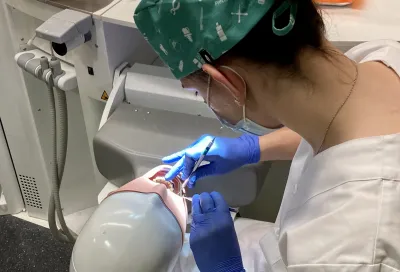
The preclinical laboratory, a high-tech facility, features 95 dental simulators equipped with phantom heads—tools that simulate the oral cavity—as well as X-ray machines and digital radiology equipment for hands-on dental training.

English (secondary language: Spanish)

Objectives

The main objective of the Master in Research in Dentistry is to provide the knowledge and tools needed to continue in a doctoral program in the field of health, following a methodology based on ethics and scientific evidence. 
 

To achieve this main objective, this Master will: 

  1. Provide students with the knowledge and skills necessary for effective clinical and research materials in the field of dentistry skills.
  2. Promote the acquisition of skills, attitudes and behaviors that facilitate scientific interaction with the environment to properly solve research problems.
  3. Promote research in Dentistry and continuing education for the study of new techniques and improvements in the dental profession.
  4. Provide the necessary tools to work together and coordinate multidisciplinary projects. 


Other complementary objectives:

  • To form expert persons in the scientific method capable of planning, executing and interpreting the results of research projects, taking into account economic, regulatory, legal, ethical and humanitarian aspects.
  • To train experts in the molecular basis of diagnosis and treatment of major diseases in the field of dentistry.
  • To develop a solid foundation in the use of methodological and instrumental research techniques that allows joining in research in both public and private laboratories.
  • To offer the possibility to complement the clinical training with a strong background in research. 

Academic Accreditation

  • Máster Universitario en Investigación en Odontología por la Universitat Internacional de Catalunya.
Anul·la vista automàtica
Off

Admission process for master's and postgraduate programmes

  • Request information

  • Application for admission

  • Assessment of candidate

  • Result of admission process

    • Admission
    • On hold
    • No admission
  • Deposit paid

  • Enrolment

    Between July and September

    • Tuition paid
  • Welcome!

    You are now part of UIC Barcelona

Application for admissions

To start the admission process you must complete the Program Admission Form found on the University website and follow the steps to attach the required documentation.

Prospective students

All candidates who meet the criteria and general requisites for access to the study programme will be able to apply for entry. However, the recommended entry profile is:

  • Degree holders in Dentistry (or equivalent)
  • A level of English that is equivalent to a B2
  • An interest in science and research
  • Good decision-making skills
  • Discipline, a good memory and dedication
  • A personality based on responsibility and solidarity
  • Sensitivity and empathy for the pain felt by others
  • Observation skill
  • A good team-player

Admission criteria

All prospective students who meet the general admission requirements for the degree programme may apply for admission. However, the ideal candidate profile is as follows:

  • Students who have completed a Bachelor's Degree in Dentistry (or equivalent).
     

In addition to the entrance exams and the required documents, the following aspects will be taken into account during the application process:

  1. The average mark from the applicant’s academic record.
  2. Assessment of the applicant’s curriculum vitae. Professional experience and previous research, participation in conferences and participation in research projects will be taken into account.
  3. An oral and written academic English level test. Applicants from English-speaking countries or who have an official certificate are not required to take this test. The English level test will be evaluated by the Institute for Multilingualism at UIC Barcelona. This oral and written test will be based on knowledge at a First Certificate level and focused on the description and/or analysis of scientific knowledge in the field of Health Sciences.
  4. Applicants must undergo a personal interview (or via skype), in which their interest and motivation will be assessed. 


Applicants will be informed of the admissions requirements and the required documentation by the secretary of the Faculty of Dentistry and on the UIC Barcelona website.

Required documentation

  1. Pre-enrolment form.
  2. A certified copy of the relevant undergraduate degree*.
  3. Transcript of grades (original or certified copy)*.
  4. Photocopy of National Identity Document (DNI) or passport.
  5. Receipt for payment of €90 by bank transfer**.
  6. Two passport size colour photographs (unused copies).
  7. Curriculum vitae with courses and conferences attended.
  8. Letter/s of recommendation (not obligatory).


*For students from outside the European Union, both the academic record and the degree certificate must be processed through diplomatic channels or bear The Hague Apostille.

Candidates in the last year of their degree programme must provide a list of the qualifications they obtained before their registration date.

** Management fees are non-refundable

Reception and tutoring

The Universitat Internacional de Catalunya (UIC) seeks to facilitate the incorporation and adaptation of all new students by means of a welcoming session organised by the University Master’s Degree in Research in Dentistry, the information on which is sent by letter or by e-mail, in a personalised way.

During the welcoming session, the new students will receive a general description of the UIC, and a representative from some Services, shall offer a brief explanation about the workings of the Service and the type of information and activities that students will find there. The session will be followed by an academic presentation of the Master’s programme by the actual Programme Management, the idea being one of providing an acquaintance with the facilities and services of the Faculty and the Department.
 

Materials for the newly-accessed students:

  1. UIC folders. The folders will contain the timetables of the  University Master’s Degree in Research in Dentistry, the UIC Diary for the academic year starting then and a Welcome Pack.
  2. Students will be sent to the e-mail address they provided when enrolling, their username and password to access their personal page. An UIC e-mail account will automatically be generated too.
  3. Student card. The Universitat Internacional de Catalunya’s student card identifies its holder as a member of the UIC university community, certifies the condition of beneficiary of the university services, premises and facilities, and allows the use, in an automated way, of the library loan services from the Universitat Internacional de Catalunya’s library network.


The means by which the said documentation and information is provided to the students of the Master’s degree can vary in the format according to existing resources at the time.

Grants

UIC Barcelona offers various fellowships supported by both public institutes (MEC or AGUAR), as well as private UIC Barcelona funds.

For further information, please check with our admissions department:

Grants offered by UIC Barcelona for master's degrees and postgraduate programmes
 

Grants from other institutions
 

Other grants

Those pursuing master's degrees or postgraduate programmes studies at UIC Barcelona are also eligible for other scholarships.

Other grants
 

Financing

In order to make tuition fee payments easier for students, UIC Barcelona offers various financing options through its partner banks.

More information

Procedures for the Organization of Mobility for Incoming and Outgoing Students

The mobility activities of the University Master’s Degree in Research in Dentistry are designed, implemented, and evaluated in alignment with the programme’s objectives and the competencies students are expected to acquire upon completion of their studies. Particular emphasis is placed on mobility linked to the Final Master Project (FMP), enabling students to carry out their research at other universities or research centres in areas aligned with their interests and promoting collaboration between research groups.

For each mobility placement, a specific agreement is established with the host institution, allowing the student to join a designated research team. At the host institution, students are assigned an academic supervisor who acts as the director of the Final Master Project. The programme coordination team, with the support of the International Relations Office, is responsible for contacting the host institution, establishing the agreement, and providing information regarding the procedure. The programme also welcomes students from other master’s degrees who wish to complete all or part of their Final Master Project at UIC Barcelona.

The UIC research supervisor maintains continuous communication with the external host supervisor to ensure ongoing assessment of the student’s learning progress and the competencies acquired throughout the project. Although the Final Master Project is carried out at the host institution, the final defence and assessment take place at UIC Barcelona; therefore, no ECTS credit recognition is required at the host university.

The Faculty of Dentistry maintains agreements and collaborative projects with numerous internationally renowned universities, including institutions such as Geneva, Athens, Montpellier, King’s College London, University of Minnesota, University at Buffalo, New York University, Nova Southeastern University, Ghent, Universidad de los Andes, and Siena, thereby expanding mobility opportunities for students.

The International Relations Office provides information and administrative support regarding mobility grants and funding programmes (AGAUR, Erasmus, MEC, among others), as well as the documentation required for calls and applications that must be submitted directly by students.


224
Master's Degrees
Dentistry
English
Online
Blended learning

The University Master's Degree in Research in Dentistry at UIC Barcelona (Spain) offers a blended learning approach to structured training for research in academic, industrial and clinical settings.

The UIC Barcelona Faculty of Dentistry is continuously making progress in the field of basic and applied research, seeking results through clinical responses to improve the efficiency of materials and techniques. 

This master's programme aims to enhance participants' research knowledge and prepare them for doctoral studies through a series of advanced training topics in the different dental specialisations.

UIC Barcelona provides the ideal setting for this kind of advanced training in Research in Dentistry due to several factors: the numerous lines of research explored by the different departments in the UIC Barcelona Faculty of Dentistry, the close relationship with the dental and pharmaceutical industry as regards project implementation and our fully equipped research laboratories.

Graduate Profiles

Dental educators and researchers, professionals in dental companies—especially those involved in the development of dental products and services.

The career opportunities for dentists trained in basic research integrated with clinical practice include:

  • Doctoral Studies: Pursuing a PhD and completing a doctoral thesis.
  • Academic Career: Joining the faculty at both public and private universities.
  • Research Teams: Integrating into research teams within national and international Science Parks.
  • Clinical Research: Conducting research within hospitals and other healthcare centers.
  • Corporate R&D: Joining health-sector companies as researchers and/or managers within Research, Development, and Innovation (R&D+i) departments.

Competences. Course objective

The general and specific competences that students must acquire during their Master’s studies in dentistry research in the UIC take into account the principles set out in article 3.5 of Royal Decree 1393/2007 of the 29th of October. These principles include respect for fundamental rights and equality between men and women, equal opportunities and universal accessibility for people with disabilities and promotion of the beliefs specific to a culture of peace, as well as democratic values.
 

Basic skills
  1. Knowledge and understanding that provide a foundation or opportunity for originality in developing and/or applying ideas in a research context.
  2. Applying the knowledge acquired, and developing problem-solving abilities in new or unfamiliar environments within broader (or multidisciplinary) contexts related to the field of study.
  3. Integrating knowledge and handling complexity, in addition to formulating ideas based on scientific evidence, using information that may be incomplete or limited, while considering the social and ethical responsibilities linked to the application of their knowledge and judgements.
  4. Being able to communicate conclusions to specialists and non-specialists alike in a clear and unambiguous manner, with supporting knowledge and rationale.
  5. To acquire learning skills that enable ongoing independent study.


General skills
  1. The ability to incorporate new knowledge acquired through research and study, and also deal with complexity.
  2. The ability to undertake a critical analysis and discuss the results obtained, as well as reach the corresponding conclusions.
  3. The ability to learn to develop new instrumental skills independently, in terms of the acquisition of new scientific concepts, and the search for new scientific knowledge.
  4. The ability to argue for and defend personal scientific ideas, as well as listen to, analyse, value and respond to other people’s ideas.


 Specific skills
  1. Ability to apply scientific method, experimental design and biostatistics to solve a question or hypothesis.
  2. Knowing how to use and apply the most common laboratory techniques in the fields of molecular, genomic and proteomic biology, biomaterials, cell and tissue cultures, immunology and microscopy in the field of dentistry.
  3. Knowing how to apply bioinformatics tools used in basic research.
  4. Applying experimental animal models as well as the methodology of animal handling and ethical research concepts in dentistry.
  5. To communicate research results in a scientific article, poster or oral presentation, both in scientific and academic format.
  6. Learning to manage the financial and human resources of a research project and knowing the strategic framework for transferring knowledge to a company or industry.
  7. Knowing how to interpret images obtained through the latest technology applicable to research in dentistry.
  8. Being able to apply the appropriate diagnostic tests and interpret the results.
  9. Applying the latest dental research technology, considering its properties, indications, biocompatibility, toxicity and environmental impact.
  10. Knowing how to execute epistemological, ethical, humane and compliant activities in research and the dissemination of results.

Academic Accreditation

Máster Universitario en Investigación en Odontología por la Universitat Internacional de Catalunya

Admission application form
Get informed
1
0
On

Attend the next Informative Session

The University is organising open days for future university students who would like to know more about our institution and the programmes we offer.

0
Document
/sites/default/files/calendario_1.pdf
calendario_1.pdf
Document
/sites/default/files/master-research-eng.pdf
Folleto Master Research Odontologia ENG
26
infodonto@uic.es
https://www.instagram.com/odonto_uic/
1
Direcció i coordinació
SATORRES NIETO, Marta

Cap de l’Àrea
Directora del programa


SALOMÓ COLL, Oscar Cosme

Coordinador

New
English
Off

University Master’s Degree in Respiratory and Cardiac Physiotherapy

University Master’s Degree in Respiratory and Cardiac Physiotherapy
editor
3 semesters
Alternate weekends. Fridays and Saturdays from 9:00 a.m. to 2:00 p.m. and from 3:00 p.m. to 8:00 p.m.

UIC Barcelona’s facilities are designed to provide you with a high-quality learning experience. With modern spaces equipped with advanced technology, you will develop your skills in real and practical environments. From specialised laboratories to training gyms, every corner of our university is designed to provide you with the best resources for your learning and professional development.

Estudiants de Fisioteràpia al gimnàs
1.000 m² of gym facilities

Our gyms are equipped with state-of-the-art equipment and spacious areas, making practical sessions and training easier. We have everything you need to gain experience in a professional and high-quality environment,

Laboratori de Biomecànica i Fisiologia de l’Exercici
Biomechanics and Exercise Physiology Laboratory

This laboratory allows you to study human movement with cutting-edge equipment, such as force platforms and motion analysis systems. It is an ideal space for applying classroom learning to practice.

Osteoteca
Bone repository and dissection room: real anatomical resources

UIC Barcelona’s bone repository and dissection room provide a unique space with real human bodies and anatomical models. Here, you will study human anatomy directly and in detail, enriching your practical training in Physiotherapy.

Centre Integral de Simulació Avançada (CISA)
Advanced Simulation Centre (CISA)

CISA offers state-of-the-art simulators to help you train your clinical skills in a controlled environment. This facility allows you to face real-life situations safely, preparing you for your professional future with the best available resources.

Spanish

The Master’s Degree in Respiratory and Cardiac Physiotherapy offers a comprehensive approach that combines advanced clinical practice with research training. You will learn to work safely with both adult and pediatric patients, including critically ill patients in the ICU, across all levels of care.
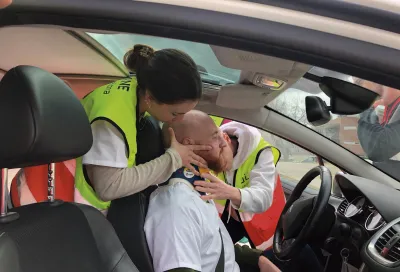
Your training will include advanced clinical simulation at the Integrated Center for Advanced Simulation (CISA), with 50 hours of laboratory work and realistic scenarios: pulmonary function testing, mechanical ventilation (invasive and non-invasive), cardiopulmonary resuscitation, and OSCEs. This hands-on learning is complemented by clinical rotations in leading hospitals and ICUs.

Research is one of the core pillars of the program: you will develop a longitudinal project with personalized supervision, culminating in the submission of a scientific article to a peer-reviewed journal, paving the way toward doctoral studies. Teaching is delivered in Spanish and includes seminars with invited international faculty, supported by the scientific output of the IFET Group (Physiotherapy and Therapeutic Exercise Interventions).

You will work with state-of-the-art equipment —spirometer, inspiratory and expiratory pressure meters (PIM/PEM), gas analyzer, multiparameter monitors, ventilators, and simulation manikins— in environments designed to accurately replicate real hospital settings.

Ítems
Comprehensive training and real clinical practice

Covers respiratory and cardiac diseases in adult, pediatric, and critically ill (ICU) patients, with specific competencies to ensure safe intervention in high-complexity settings.

Advanced clinical simulation (CISA)

Dedicated Advanced Clinical Simulation course (5 ECTS) and 50 hours in the Clinical Skills and Simulation Lab, with outpatient, hospital, and ICU scenarios at CISA.

90 ECTS to learn more and better

A two-year program with 90 ECTS: more hours, more hands-on practice, and more research than other national offerings, without reducing clinical immersion.

Research, mentoring, and internationalization

Longitudinal project + Master’s thesis (18 ECTS) with personalized supervision, guidance for publication, access to doctoral studies, and seminars led by international faculty.

Hospital partnerships and high-quality internships

200 hours of External Clinical Placement (12 ECTS) in prestigious hospitals, ICUs, and rehabilitation centers, taught by faculty who actively practice in partner institutions.

State-of-the-art equipment and learning environment

Access to gas analyzers, spirometry, inspiratory and expiratory pressure meters (PIM/PEM), ECG, invasive and non-invasive ventilators, multiparameter monitors, simulation manikins, and more—mirroring real clinical settings.

Fisio
Fisio
Fisio

Admission process for master's and postgraduate programmes

  • Request information

  • Application for admission

  • Assessment of candidate

  • Result of admission process

    • Admission
    • On hold
    • No admission
  • Deposit paid

  • Enrolment

    Between July and September

    • Tuition paid
  • Welcome!

    You are now part of UIC Barcelona

Required documentation

Applicants must hold a Diploma or Bachelor’s Degree in Physiotherapy, or an equivalent qualification.

In the case of international students, they must provide documentation demonstrating that they have completed and passed coursework that ensures a competency profile equivalent to the required degree. If the foreign qualification is not officially recognized, the master’s degree does not grant professional practice rights under any circumstances.

The admission criteria and the weighting assigned to each are detailed below:
 

WeightingCriteriaAspects to be assessed
30 %Interview
  • Motivation and interest in the programme and access to doctoral studies (40%): the applicant’s level of motivation to pursue the master’s degree will be assessed, as well as their knowledge of the programme, clarity regarding academic and professional goals, and interest in continuing into doctoral studies.
  • Personal profile and soft skills (30%): personal and social competencies relevant to training and teamwork will be evaluated, including responsibility, commitment, character, empathy, teamwork skills, adaptability, initiative, communication skills, and critical thinking.
  • Interest in working in the field and pursuing a research career (30%): the applicant’s demonstrated interest in developing professionally within the specific scope of the master’s programme and in continuing a research career in the discipline will be taken into account.
30 %Currículum vitae
  • Assessment of academic background (30%): the relevance and suitability of previous studies to the profile of the master’s programme will be evaluated, as well as any relevant supplementary training (courses, seminars, certifications) and participation in extracurricular activities related to the field of the master’s degree.
  • Work experience (20%): professional experience related to the master’s area of knowledge will be assessed, taking into account duration, level of responsibility in the roles performed, and the professional context (clinical, educational, institutional, etc.).
  • Research experience (30%): participation in research projects, scientific publications, final degree or master’s theses with a research component, attendance and/or presentation of conference communications, research grants, or research placements will be considered.
  • English level (20%): a level equivalent to B2 in English is considered sufficient. Higher levels will be positively valued in the admission process.
     
40 %Academic transcriptGrade point average (GPA) of the university degree (100%)

If you have decided to pursue the master’s degree, follow the steps below to complete your admission process. We recommend that you do not delay your application, as places are limited.

1st: Online application
Admission application

2nd: Submission of the following documents (*)

Applicants with an official Spanish university degree

  1. Certified photocopy of the university degree, or certified photocopy of the receipt for the payment of degree issuance fees.
  2. Certified photocopy of the academic transcript of the completed university studies.

Applicants with an official foreign university degree

  1. Original legalized photocopy of the university degree.
  2. Original legalized photocopy of the academic transcript of completed university studies.

In all cases:

  1. One passport-sized photograph.
  2. Photocopy of the national ID card (DNI) or passport.
  3. Updated curriculum vitae.
  4. Motivation letter.
  5. If the original documentation is not in Spanish, an official sworn translation into Spanish of the university degree and academic transcript must be provided.

3rd: Interview
Interview with the master’s programme coordinator.

Once admitted, you will be able to begin the process of reserving your place and completing enrolment.

Reservation and enrolment

Applicants who have been accepted into a master’s or postgraduate programme will receive an admission letter conditioned upon the payment of a place reservation fee.

  1. The place reservation becomes effective once the stipulated amount for the programme is paid within ten working days following receipt of the admission notification.
  2. Once the place reservation has been formalized as indicated, if a student does not meet, under the applicable state or regional legislation, the admission requirements for the programme; does not hold the required qualification; or if the programme does not proceed due to insufficient enrolment, UIC Barcelona will refund the full amount of the reservation fee.
  3. If the student voluntarily withdraws from the programme for any reason, UIC Barcelona will retain the entire amount paid as the reservation fee, with no obligation to return it, as compensation for the damages and administrative costs incurred.
  4. If the student does not make the reservation payment, it will be understood as a withdrawal of their place, authorizing UIC Barcelona to cancel and invalidate the submitted application from that moment onwards.

Other grants

Those pursuing master's degrees or postgraduate programmes studies at UIC Barcelona are also eligible for other scholarships.

Other grants
 

Financing

In order to make tuition fee payments easier for students, UIC Barcelona offers various financing options through its partner banks.

More information

Payment facilities

UIC Barcelona offers different payment options.

More information

If you’re a student from another Spanish university or a university abroad, you can undertake a mobility stay at UIC Barcelona, for a semester or an academic year.

To find out everything you need to do before, during and after your mobility stay, please click on this link to find out the information you need for your faculty.

The External Clinical Placements (ECP) course of the Master’s Degree in Respiratory and Cardiac Physiotherapy aims to consolidate the clinical competencies acquired throughout the programme through a real training experience in leading hospital and healthcare settings.

It takes place during the second year of the master’s programme and carries a total of 12 ECTS credits (200 hours). Placements are carried out in hospitals, intensive care units (ICUs), rehabilitation services, and centres specialising in cardiorespiratory physiotherapy, both public and private. Each student is assigned a clinical supervisor, ensuring personalized 1:1 guidance and full integration into multidisciplinary teams.

These placements constitute a key professional experience in which students apply the knowledge acquired in real clinical contexts, provide care to respiratory, cardiac, and critically ill patients, and strengthen the competencies required to successfully enter the clinical and healthcare workforce.

1151
Master's Degrees
€135,00 / ECTS x 90 = €12.150,00 (+ €509.00 registration fee). *Prices 2026–2027 academic year.
The ECTS credits will be distributed over two academic years, with 60 ECTS taken during the first academic year and 30 ECTS during the second academic year
Medicine and Health Sciences
Spanish
Online
On site

The Master’s Thesis (TFM) is one of the main components of the Master’s in Respiratory and Cardiac Physiotherapy and reflects the program’s strong research orientation. Throughout the master’s program, students develop a longitudinal research project linked to one of the research lines of the academic staff or associated research groups, such as IFET (Interventions in Physiotherapy and Therapeutic Exercise).

Each student receives personalized supervision from a faculty researcher, who guides them through every stage of the project: study design, data collection and analysis, scientific writing, and dissemination of results. The aim is to foster critical thinking and the application of scientific evidence to clinical practice.

The TFM concludes with a public presentation and defense before an academic committee, and it may lead to the publication of a scientific article in a specialized journal. In this way, students not only strengthen their profile as specialized clinical physiotherapists but also begin or advance their careers in academic and research environments.

The Master’s Degree in Respiratory and Cardiac Physiotherapy at UIC Barcelona was created to address a growing clinical need: highly specialized physiotherapists capable of providing comprehensive care for respiratory and cardiac patients in hospital, outpatient, and intensive care settings. The program offers advanced, hands-on, and up-to-date training that blends clinical excellence with applied research, enabling students to acquire real, transferable competencies from day one.

Its distinctive approach lies in advanced clinical simulation and strong hospital partnerships, combined with a solid research foundation and an international outlook. Students learn from active practitioners linked to leading hospitals and research groups, and they develop a supervised research project that strengthens critical thinking and academic development. In this way, the master’s degree not only prepares graduates to intervene effectively in clinical practice, but also fosters a professional career with scientific vision and leadership in respiratory and cardiac physiotherapy.

Objectives

The main objective of the Master’s Degree in Respiratory and Cardiac Physiotherapy is to train physiotherapists with a high level of clinical and scientific specialization, capable of intervening across all stages of the care process—from prevention and treatment to the rehabilitation of patients with respiratory and cardiac conditions. The program provides a global, integrated perspective on respiratory and cardiac management, preparing students to work in complex settings such as intensive care units (ICUs), hospitals, rehabilitation centers, and primary care.

In addition, the master’s degree aims to promote research and evidence-based practice, fostering a critical, analytical mindset and a commitment to continuous improvement. Through the development of a longitudinal research project with personalized supervision, students acquire the necessary tools to design, conduct, and communicate scientific work, contributing to the advancement of knowledge in physiotherapy. In this way, the program not only prepares competent and up-to-date professionals but also future leaders and key contributors in the field of respiratory and cardiac physiotherapy.

Students profile

The master’s degree is aimed at graduates in Physiotherapy who wish to specialize in the respiratory and cardiac field with a clinical, practical, and research-oriented approach. It is particularly suited for professionals interested in deepening their expertise in the care of hospitalized or critically ill patients, respiratory and cardiac rehabilitation, and in developing advanced competencies in research and evidence-based practice.

Competences

With this master’s programme, you will develop a set of advanced competencies that will enable you to work safely, rigorously, and with an integrated perspective in the field of respiratory and cardiac physiotherapy. These are the competencies you will acquire throughout the programme:

  • Interpret the data obtained from clinical and functional assessment tests, using this information to plan individualized respiratory and cardiac physiotherapy interventions.
  • Implement respiratory and cardiac physiotherapy intervention plans that integrate the most up-to-date scientific evidence, adapting to the clinical context and the individual needs of adult and pediatric patients.
  • Communicate in a way that ensures treatment comprehension, encourages the patient’s active participation, and adapts language to individual needs while avoiding androcentrism and stereotypes.
  • Manage the comprehensive physiotherapeutic care of respiratory, cardiac, and critically ill patients, demonstrating decision-making skills and interdisciplinary collaboration in outpatient, inpatient, and intensive care settings.
  • Generate research in the field of respiratory and cardiac physiotherapy, promoting innovation and knowledge transfer.
  • Manage autonomous learning and continuous professional development, identifying areas for improvement within the field of respiratory and cardiac physiotherapy.
  • Apply professional ethics in interactions with respiratory and cardiac patients, ensuring respect for autonomy, privacy, informed consent, and confidentiality at all stages of treatment or research.
  • Apply respiratory and cardiac physiotherapy treatments with an advanced clinical approach, ensuring their appropriateness to the patient’s specific condition and acting with ethical responsibility, gender perspective, equity, and respect for human rights, fostering a person-centered and bias-free care environment.
Sol·licitud d'admissió
Get Informed
1
0
Off

Research within the Department of Physiotherapy is structured around the research group recognized by the Government of Catalonia (2021SGR-01247), Interventions in Physiotherapy and Therapeutic Exercise (IFET). Its main objective is to explore physical exercise as a therapeutic tool to improve people’s health. Among its three thematic areas, the line focused on rehabilitation in respiratory and cardiac conditions stands out, concentrating on the assessment of functional and aerobic capacity, as well as on the use of therapeutic exercise as a rehabilitation tool for patients with respiratory and cardiac diseases. To conduct these studies, the Department of Physiotherapy has access to the Biomechanics and Exercise Physiology Laboratory.

Discover the three working groups within the Department and explore the details, objectives, and composition of each research line they develop.

0
Document
/sites/default/files/master-respiratoria_cat.pdf
master-respiratoria-eng
5

This master’s degree prepares you to work in hospitals, ICUs, rehabilitation centres, and primary care, as well as to begin a research or academic career in the field of cardiorespiratory physiotherapy. It equips you to become a highly qualified professional ready to lead clinical teams and scientific projects.

  • Physiotherapist in hospital respiratory and cardiac services
  • Specialist physiotherapist in intensive care units (ICUs)
  • Physiotherapist in cardiorespiratory rehabilitation centres
  • Physiotherapist in primary care or home-based care
  • Researcher in cardiorespiratory physiotherapy
  • University lecturer or contributor to healthcare training
0
New
English
Off

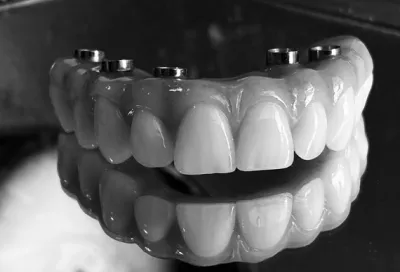
Advanced course in Prosthetics on implants

Advanced course in Prosthetics on implants uicadmin
930192304
Limited
Thursday, Friday and Saturday from 10 a.m. to 7 p.m.
Spanish (secondary language: English)

Presentation

Implant-prosthetics is currently a very common part of a dentist’s daily work.

This course is intended for professionals who are familiar with basic implant-prosthetic terminology and who have performed or perform prosthetic implants and want to update or improve their knowledge of implant-prosthetic rehabilitation.

Assessment method

An online self-assessment test will be carried out at the end of the course so that students can assess the  achievement  of their personal goals and their knowledge of the content of the course.

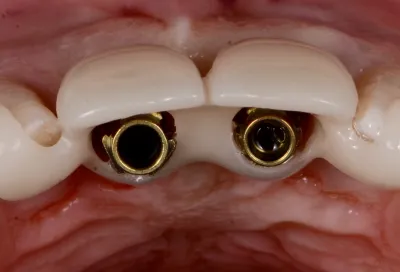
Clinical case

Clinical case

Course objectives

  • To provide the necessary knowledge to undertake the diagnosis, treatment plan and grounding for step-by-step development of the different stages involved in performing implant-prothetics
  • To know the different types of implant prosthetics that can be performed and solutions for compromised cases.

Prospective students

The course is aimed at general dental practitioners and stomatologists to increase about the acknowledgment in prosthetic implantology.


Anul·la vista automàtica
Off
  • To be a stomatologist or dentist.


522
Continuing Education
Dentistry
Spanish
English
On site
+34 93 504 20 00
Register
1
Off
-17
0
1
Document
/sites/default/files/folleto-curso-avanzado-protesis-implantes-esp.pdf
Folleto Curso Avanzado en Prótesis sobre Implantes 25-26
1
Course Coordinator
CANTÓ NAVÉS, Oriol

Teachers

  • Dr Oriol Cantó
  • Dr Raúl Medina
  • Dr Francisco Real
  • Dr Rosario Cedeño

The coordinators and lecturers have no financial ties to any companies that would pose a conflict of interest with the course. 

infodonto@uic.es
1
On
English

Advanced Practical Theoretical Course for Dental Hygienists

Advanced Practical Theoretical Course for Dental Hygienists uicadmin
HANDS-ON TRAINING
930192304
Limited
From 8 a.m. - 8 p.m.
Spanish

Presentation

The dental hygienist is key in terms of the promotion of oral health, and plays an important role in all stages of periodontal treatment, from diagnosis, monitoring the risk factors of the disease, non-surgical periodontal treatment, long-term loyalty and oral maintenance.

Dental hygienists are members of the oral health team managing the patient, along with the stomatologist or dentist, and it is essential that they have a broad overview of dentistry to be able to make referrals.

Assessment method

An online self-assessment test will be carried out at the end of the course so that students can assess the  achievement  of their personal goals and their knowledge of the content of the course.

Objectives

  1. To update professionals in the diagnosis and treatment of periodontal and periimplant disease.
  2. To manage specific clinical procedures to resolve cases involving difficult access and technical complexity.
  3. To review the most important concepts of scaling and root planing.
  4. To learn the basic concepts of preventative dentistry.
  5. Medical emergency management, special patient management and medical commitment.
  6. To provide a comprehensive overview of medical-oral pathologies.

Competencies to be acquired by students

The course is divided into three intensive days and is designed to provide the student with theoretical knowledge, as well as skills based on the clinical practice of the learned concepts.

This course provides tools to organise the treatment and follow-up of periodontal patients by establishing relationships with other dental specialisations.

Prospective students

This course is aimed at dental hygienists.

In collaboration with
EMS Logo
level1
0
Anul·la vista automàtica
Off
  • To be a dental hygienist.
612
Continuing Education
Dentistry
Spanish
English
On site
+34 93 504 20 00
Register
1
Off
-2
0
1
Document
/sites/default/files/curso-teorico-practico-higienistas-dentales-marzo-esp_0.pdf
curso-teorico-practico-higienistas-dentales-marzo-esp_0.pdf
1
Course Coordinators
NART MOLINA, José
CARRIÓ BERTRÁN, Neus

Teachers

  • Dr Carolina Mor
  • Dr Mariana Baglivo
  • Dr Blanca Paniagua
  • Dr Cristina Vallés
  • Dr Neus Carrió
  • Dr Daniel Jiménez
  • Dr Núria Bertos
  • Dr Lissethe Peñate
  • Dr Natalia Felipe
  • Dr Manuel Ribera
  • Dr Victor Gil

The coordinators and lecturers have no financial ties to any companies that would pose a conflict of interest with the course.

infodonto@uic.es
1
On
English

Conscious sedation with nitrous oxide in dentistry and basic support with AED (1st edition)

Conscious sedation with nitrous oxide in dentistry and basic support with AED (1st edition) uicadmin
930192304
Limited
Online activities: from 8 p.m. to 11 p.m. / 12 p.m. Onsite activities: from 10 a.m. to 7 p.m
Spanish

Course description

Enrolled dentists will have the possibility of also enrolling one dental assistant free of cost in the following diploma course:Training Course On Nitrous Oxide in Dentistry for Dental Auxiliaries.

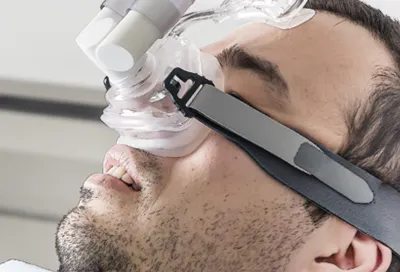
The programme offers an advanced perspective on sedation using nitrous oxide in dentistry and cardiopulmonary resuscitation, but also covers concepts of the clinical pharmacology of medical gases and offers practical sessions on cardiopulmonary resuscitation and the use of defibrillators and equipment for conscious sedation with nitrous oxide. 

Assessment method

An online self-assessment test will be carried out at the end of the course so that students can assess the  achievement  of their personal goals and their knowledge of the content of the course.

Objectives

  1. Update current knowledge on conscious sedation.
  2. Be able to plan treatments using nitrous oxide sedation.
  3. Describe the basic components of inhalation sedation equipment.
  4. Analyse the function of each of the components.
  5. To learn and analyse the techniques for applying nitrous oxide sedation, indications and contraindications.
  6. To learn and analyse the advantages and disadvantages of inhalation sedation.
  7. To learn, prevent and treat complications association with inhalation sedation.
  8. To update knowledge on pharmacology applied to sedation.
  9. To learn how to undertake cardiopulmonary resuscitation.
  10. To learn how to use an AED.

Prospective students

The conscious sedation with nitrous oxide course in dental practice is a programme aimed at professionals (oral medicine doctors and dentists) who would like to update and broaden their knowledge in the field of general dentistry and specialist areas.


In collaboration with
Tecno-gaz Industries
level1
0
Anul·la vista automàtica
Off
  • To be graduated in dentistry or health sciences or to be a stomatologist.


422
Continuing Education
Dentistry
Spanish
English
Blended learning
+34 93 504 20 00
Register
1
Off
-40
0
0
Document
/sites/default/files/sedacion-consciente-oxido-nitroso-odontologia-soporte-basico-dea-esp_0.pdf
sedacion-consciente-oxido-nitroso-odontologia-soporte-basico-dea-esp_0.pdf
1
Course Coordinator
GIL MANICH, Víctor

Teachers

  • Dr. Manuel Ribera
  • Dra. Belisa Olmo
  • Dra. Eulalia Anglada
  • Dra. Feli Navalón
  • Dr. Víctor Gil
  • Dr. Jordi Castillo
  • Dr. Jaime Fandiño

The coordinators and lecturers have no financial ties to any companies that would pose a conflict of interest with the course. 

infodonto@uic.es
1
On
English