

Bachelor’s Degree in Biomedical Sciences


Home
- Type of programme
- Official degrees
- Campus
- Campus Sant Cugat
- Duration
- 8 semesters
- Credits
- 240 ECTS
- Schedule
- Morning and afternoon
- Language
- Catalan, Spanish and some subjects in English
- Places
- 80
- Modality
- On site
Why study Bioengineering at UIC Barcelona?
Studying the Bachelor's Degree in Biomedical Sciences at UIC Barcelona means choosing a comprehensive education that combines the fields of biology and medicine. With this degree, you will be able to delve into the research of diseases, the transfer of basic biological knowledge to the business world, and disease diagnosis. You will also become familiar with the latest technological applications used in biomedicine. Choosing UIC Barcelona means opening up a world of opportunities — during the degree, you can specialise in biomedical research, biomedical business, or bioinformatics.
- High Practical Focus
From your very first year, you’ll complete over 750 hours of hands-on laboratory practice. More than half of your time during the degree is dedicated to practical training and applied methodology, adding up to over 1,350 hours in total.
- Excelent Faculty
Throughout your degree, you will have access to biomedical research groups led by renowned researchers in areas such as cancer and neuroscience, working on prestigious projects and contracts such as the Ramón y Cajal Fellowships.
- International Opportunities
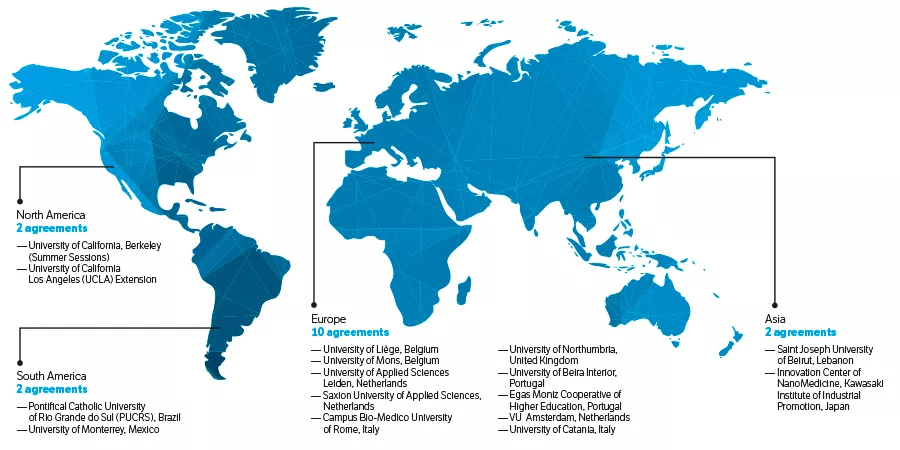
Our collaboration agreements with international universities will allow you to undertake placements at leading universities and prestigious laboratories across Asia, Europe, and the United States.
- Specialisation
Biomedical sciences is not only about laboratory research — during your degree, you will be able to specialise in biomedical research, biomedical business, or bioinformatics.
- Facilities
You will have access to our exclusive laboratories, where you will carry out practical training using cutting-edge equipment for cell culture, advanced microscopy systems, flow cytometry, patient cell monitoring with the IncuCyte® system, and other state-of-the-art technologies.
- Comprehensive Education
Once you have completed your degree, you will also be able to choose from a range of master’s programmes related to biomedicine within the same faculty to better shape your professional future. Moreover, if research is your passion, UIC Barcelona also offers you the opportunity to begin your doctoral thesis through our Doctoral School.
The Degree of Biomedical Sciences in numbers
UIC Barcelona is committed to the comprehensive training of biomedical professionals, with a strong focus on practical and research-based learning.
Testimonials
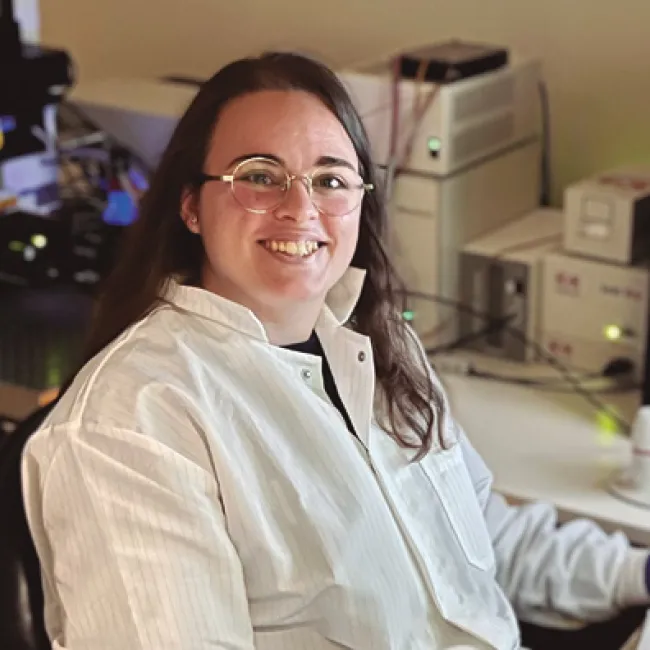
About the bachelor’s degree programme, I would highlight the possibility of doing training practices abroad since this allowed me to grow on a personal and professional level, and work in the U.S. and have contact with researchers from other parts of the world.
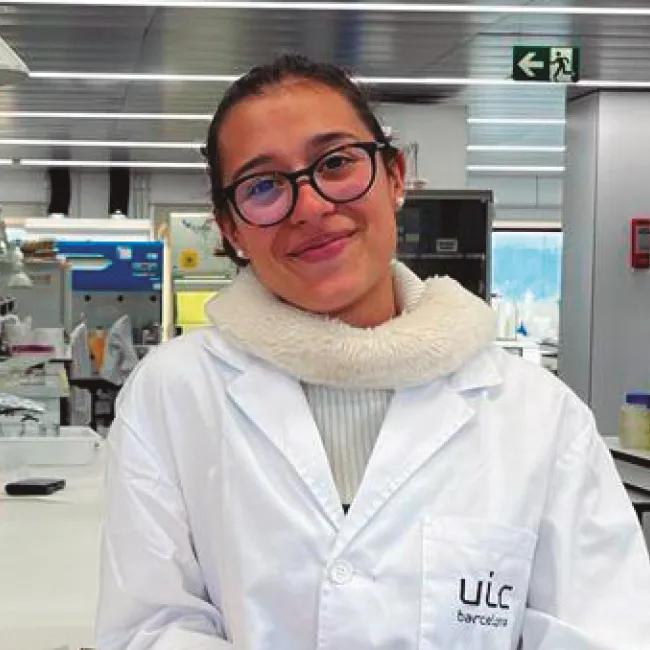
On studying Biomedical Sciences at UIC Barcelona, I would point out the option available to do different majors within the degree programme that allow you to go further in the areas of research, business or bioinformatics.
UIC Barcelona synonymous with internationality and internships
Laboratory practice from Year 1
By studying Biomedical Sciences at UIC Barcelona, you will begin laboratory placements from your very first year. In your fourth year, you will have the opportunity to undertake a full semester of placements in research centres or internationally renowned biomedical companies such as:






Presentation
What is Biomedical Science?
In today’s society, the biomedical sector is undergoing significant growth. In recent years our country has started to be seen as a benchmark in the South of Europe due to the promotion of biomedical research through the creation of science and technology parks. ; These parks, along with the large number of biomedical companies that are mainly oriented towards human health, offer an unbeatable scenario for professionals who want to work in basic research or who would like to transfer their knowledge to business practices.
According to a report carried out in 2015 by the Catalan University Quality Assurance Agency, the biomedical sector is experiencing significant growth and brings together jobs that are in high demand and this, according to Barcelona City Council is particularly the case in the area of pharmaceutical marketing, clinical development and genetic analysis. Current data obtained from the Catalan University Quality Assurance Agency indicates that the employability rate in 2017 was approximately 86%.
Get to know the Sant Cugat Campus of UIC Barcelona
Objectives and competences
We offer you a comprehensive education both at a research and a business level, which will allow you to acquire competences that are specific to the fields of biology and medicine.
The international nature of this bachelor's degree programme will prepare you for work anywhere in the world.
It will provide you with the tools to be able to participate in the value chain that is necessary to offer the products, treatments or technology that will benefit patient’s health. We will also work on tools for professional development that will help you join the labour market once your studies are complete.
Our course will teach you to know and have control over the bioinformatic tools that will allow you to manage the large volume of data generated nowadays, as well as undertake experiments in healthcare projects.
The practical classes are just as important as the theory classes so you can receive a full education. For that reason, you’ll have the opportunity to undertake work experience in cutting-edge research centres at both a national and an international level, as well as in prestigious biomedical companies.
You will learn to acquire a grounding in the molecular, cellular and physiological mechanisms you need to transfer knowledge of research to the causes of pathologies and develop tools to study, diagnose and treat them.
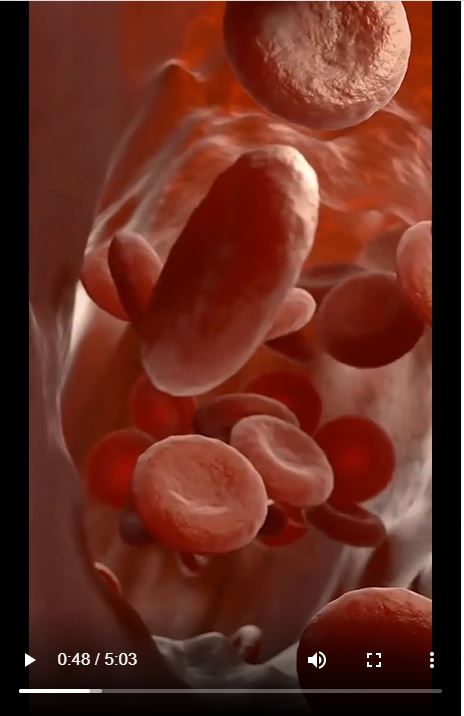
How is the degree in Biomedical Sciences different from other similar degrees?
Academic accreditation
Graduado o Graduada en Ciencias Biomédicas por la Universitat Internacional de Catalunya.
Curriculum
Internship
Objectives
The Bachelor's Degree in Biomedical Sciences offers students the chance to carry out curricular and extracurricular work placements. The main objective is to provide students with training and professional experience in the working world by undertaking work placements in research centres and companies in order to acquire and reinforce their practical knowledge.
Specific objectives:
- To integrate the knowledge they have acquired throughout the degree programme and apply it in a practical way, thereby helping students to gain independence.
- To develop interpersonal skills that allow students to integrate into a real working environment.
- To apply the most appropriate tools for undertaking scientific projects.
- To actively take part in meetings and understand the specific scientific terminology used in each situation.
- To carry out the practical scientific work outlined in the work placement guidelines, apply different techniques and learn from both positive and negative results.
- To work autonomously, learn how to defend arguments and solve any problems that may arise.
- To analyse results critically and reflectively.
- To develop strong communication skills and communicate results both orally and in writing.
Types of work placement
The UIC Barcelona Bachelor's Degree in Biomedical Sciences offers three types of external work placements: Curricular work placements in a research laboratory, external work placements in a biomedical company, and extracurricular work placements.
Curricular work placements in biomedical research
This work placement, specialising in research, takes place in a laboratory and is governed by the corresponding subject regulations. Students must complete at least 480 hours of work on a supervised research project in one of the research centres linked to the bachelor’s degree. This work placement can be carried out at a research centre in Spain or abroad. In either case, students will be monitored by an external tutor (from the centre) and by an academic tutor (from the degree programme).
Both will guarantee the student’s learning and satisfaction throughout the work placement.
Curricular work placements in a biomedical company
Curricular work placements in a biomedical company form part of the company specialisation offered by the bachelor’s degree. Students must complete a minimum of 190 hours of professional experience in a collaborating company where they will be assigned a specific task and will be monitored by an external tutor and an academic tutor. Students will combine these placements with classes in the afternoons in order to complete the specialisation.
Extracurricular work placement
We encourage all students on the Bachelor’s Degree in Biomedical Sciences to carry out extracurricular external work placements (especially during the summer and from the second year onwards) once they have acquired the knowledge and skills they need to work in a professional setting. These placements can be carried out at a research centre or in a collaborating company and are governed by the university's external work placement regulations. The aim is for students to take advantage of the opportunity to gain real experience in a professional setting and invest time in their future career.






























































Final Degree Project
The Final Degree Project (TFG) is fundamentally a self-led project that each student will complete under the guidance of a tutor, who will help to motivate and facilitate their learning. The student will present and defend their Project before an academic jury. The TFG must comprehensively demonstrate the acquisition of competences and the content studied during the Bachelor’s Degree in Biomedical Sciences.
The 10 ECTS credits awarded for the TFG are compulsory for students to obtain their bachelor’s degree, as indicated by Royal Decree 1393/2007, modified by Royal Decree 861/2010, which establishes the organisation of official university education. Final Degree Projects should be produced in accordance with the subject's Course Guide and the UIC Barcelona TFG regulations. In the curriculum for the Bachelor’s Degree in Biomedical Sciences, the TFG is a subject assigned to students in their last academic year of the programme.
Pre-requisites
In order to enrol for the TFG, students must have passed:
- All first-year subjects (60 ECTS)
- All second-year subjects (60 ECTS)
- 80% of credits from the third academic year (48 ECTS)
Objectives
To apply all the knowledge and skills acquired throughout the degree programme in an integrated manner by carrying out and defending an individual, autonomous, supervised, original and unpublished research project. Specific objectives:
- To encourage students to integrate the knowledge and skills they have acquired throughout the degree programme.
- To develop the students’ ability to work independently.
- To familiarise students with how projects are carried out in the field of biomedical sciences.
- To enable students to develop analytical skills and critical thinking by preparing and evaluating projects.
- To enable students to acquire and practice the skills necessary for presenting their work both orally and in writing.
Facilities
You will train in a real biosanitary environment, located within the Health Campus in Sant Cugat del Vallès. This privileged setting is integrated into the General University Hospital of Catalonia, where you’ll have access to a wide range of healthcare-related facilities: cutting-edge laboratories, state-of-the-art equipment, three university clinics, our Comprehensive Centre for Advanced Simulation (CISA), among many others.
-
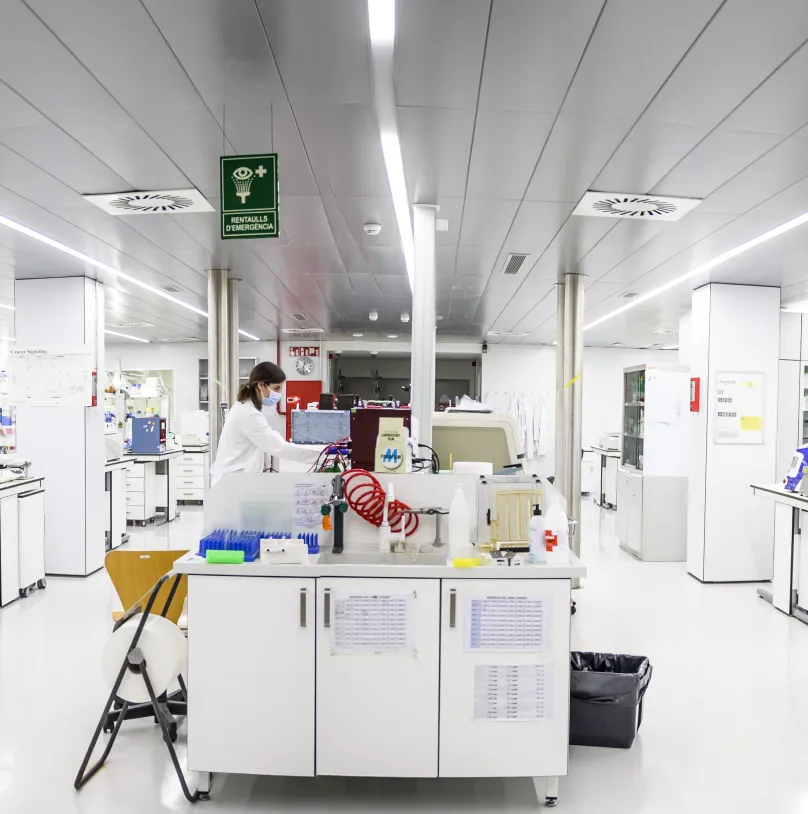 Practical Laboratories
The Department of Biomedical Sciences at the Faculty of Medicine and Health Sciences has three fully equipped teaching laboratories for practical sessions in molecular biology, cell biology, biochemistry, analytical techniques, cellular and molecular pathology, among other disciplines. In addition, students have access to professional research laboratories that host various biomedical research groups in fields such as cancer, genetics, and neuroscience.
-
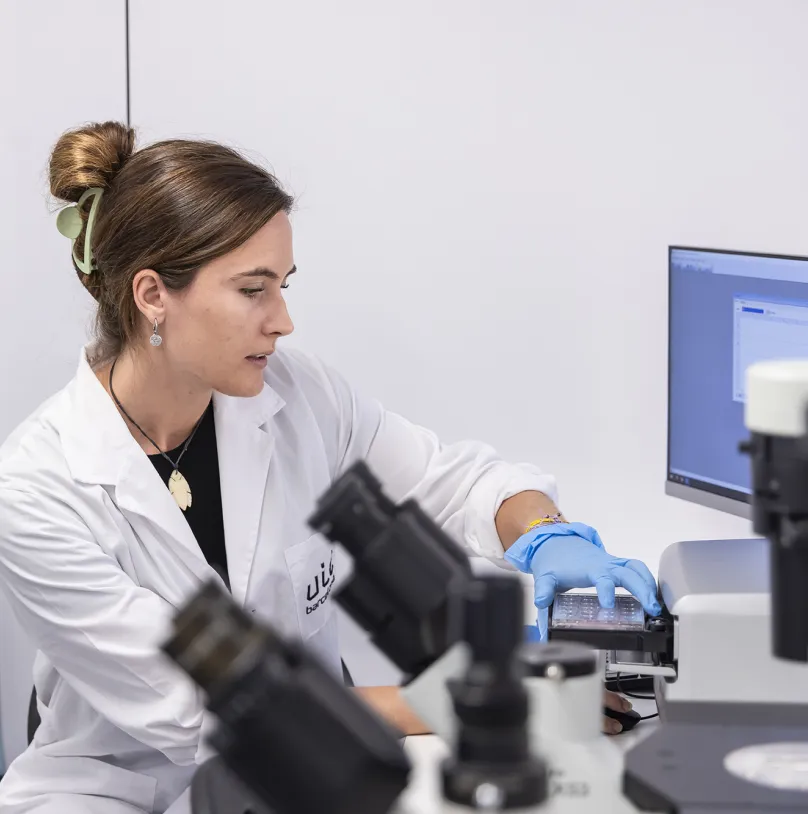 Imaging and Microscopy Room
Among the research laboratories, the imaging and microscopy room stands out, equipped with a Leica DM IRB confocal microscope and a Nikon Eclipse Ti semi-confocal microscope for carrying out video microscopy experiments on cell cultures, tissue samples, organotypic cultures, and organoids. A BD FACSCalibur flow cytometer is also available, along with a state-of-the-art IncuCyte system for monitoring patient or animal model cells under various pathological conditions, enabling the precise acquisition of molecular data and its integration with high-resolution imaging.
-
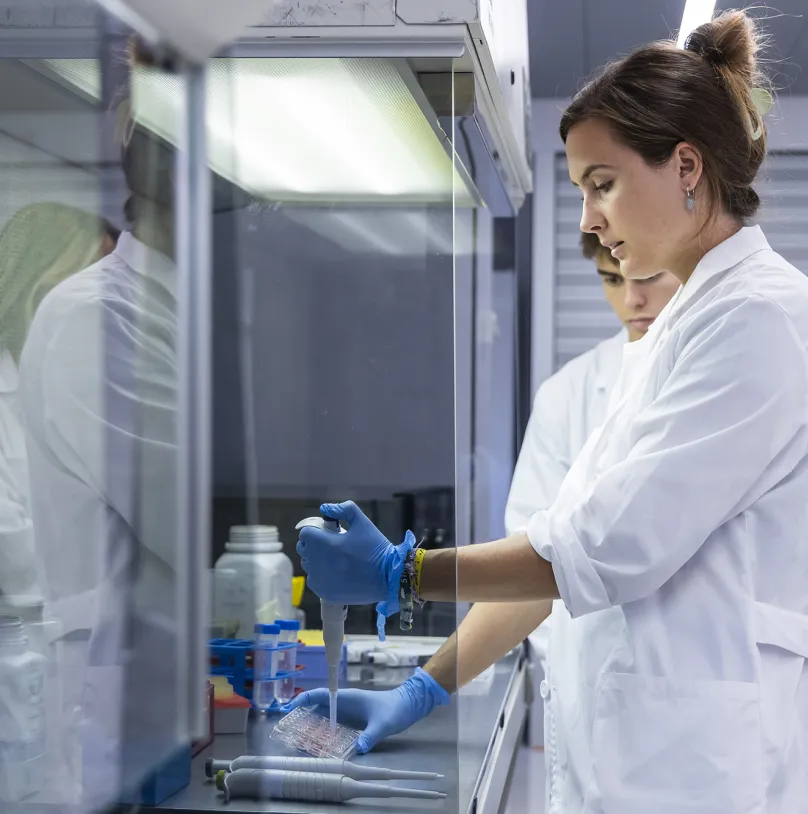 Cell Culture Rooms
The laboratories also include three cell culture rooms, equipped with biosafety cabinets, cutting-edge Olympus microscopes, and all other necessary equipment for this type of work environment.
-
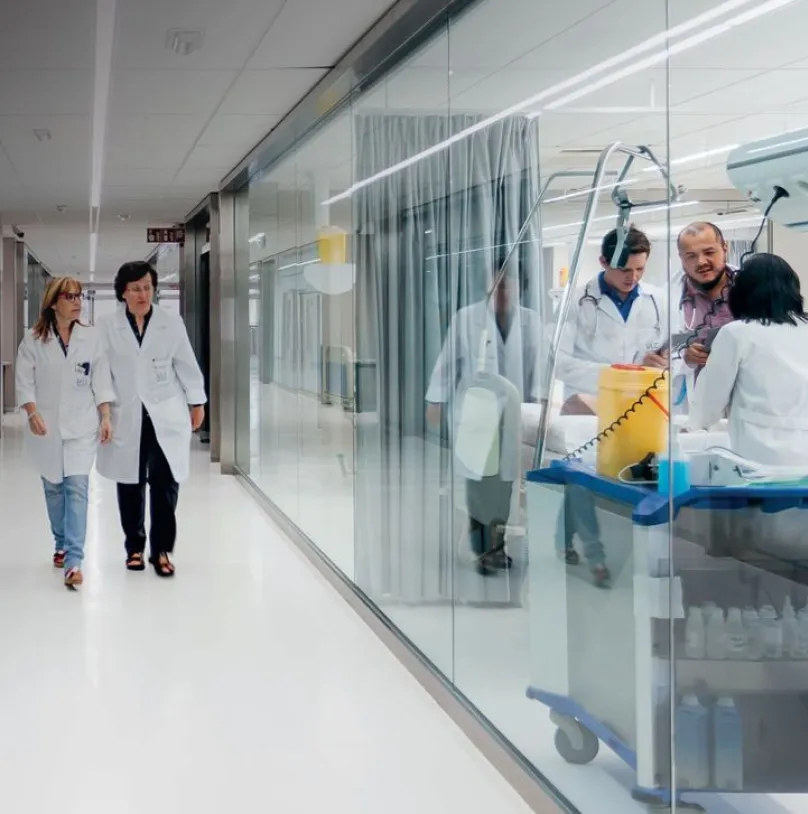 Comprehensive Centre for Advanced Simulation
UIC Barcelona’s Comprehensive Centre for Advanced Simulation (CISA) includes operating rooms, intensive care units, hospitalisation rooms, and consultation areas. It promotes training, research, and innovation in the healthcare sector through learning and hands-on simulation practice, ensuring quality of care and patient safety, in collaboration with healthcare institutions and industry partners.
Professional Career
Who is the course aimed at? Prospective students
If you’re passionate about basic research, learning about how the human body functions and discovering the biological basis of human pathologies, you will find the answers to your questions in this bachelor's degree programme. Based on a comprehensive and cross-disciplinary curriculum, you will obtain an education that will allow you to convert basic knowledge into concrete applications that can contribute to improvements in public health.
You will be able to apply for admission if you have taken one of the correct academic routes and meet the general requirements for admission to this bachelor's degree programme. At the same time, it is recommended that you demonstrate a vocational attitude towards science, research and health, and have the following skills:
- An interest in research
- Observation skills
- Critical thought
- Responsibility and a strong work ethic
- Proactivity
- Organisation, memory and motivation
- Teamwork
- Assertiveness and empathy
- An interest in helping individuals and the community as a whole
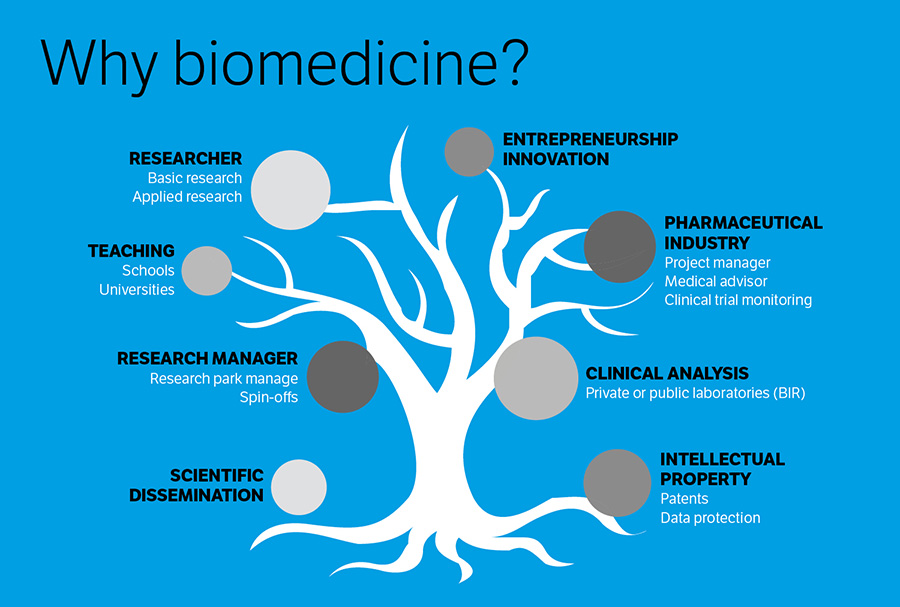
Professional opportunities
- Biomedical research
- Biomedical business sector: entrepreneurship and innovation in the field of biomedicine.
- Pharmaceutical industry: production of medicines, vaccinations and diagnostic tests.
- Biotechnological industry: products and equipment for biomedical laboratories.
- Public health institutes and agencies to monitor health problems.
- Agencies to control the use of medicines.
- Service companies and advisory services in products for biomedical research and diagnosis.
- Resident biology internship.
- Diagnostic laboratories.
- The agri-food industry: production of safe food in the healthcare field.
- The veterinary industry: production of medicines, vaccinations and diagnostic tests.
Teaching team
In order to teach future professionals in the field of healthcare we have a teaching body that combines their teaching with exercising their profession in public and private hospitals and healthcare centres. They are also involved in important research activities both inside and outside the university. Direct contact with professional practice allows our professors and lecturers to transmit a comprehensive, multidisciplinary and human overview of the reality in the sector to students.
Our teaching and research team
- a - f
- g - m
- n - r
- s - v
- w - z


Open days
Attend the next Open Day
The University is organising open days for future university students who would like to know more about our institution and the programmes we offer.
Prerequisites & admissions
Admission process for degrees
-
Request information
-
Application for admission
- Delivery of documentation
- Validation of documentation
- Payment of processing fees
Entrance exam results
-
Admissions
- Admissions
- Admission pending BEA Grant
- Admission with BEA Grant
- On hold
- No admission
Deposit paid
Enrolment
Between June and September
- Tuition paid
You are now part of UIC Barcelona
Syllabus Admission Tests
Application for admission
Entrance exams
Required documentation
You can access UIC Barcelona via different routes, each of which requires specific documentation. To find out what documentation you need in each case, please click on the link below:
Results of the entrance examinations
Reservation and enrolment
Once the admission process is complete, you must make a payment of 20% of the total cost for first year, in order to reserve your place, after having received your official letter of acceptance.
Once your enrolment has been formalised, you must make a single payment of the remaining 80%.
Access routes
You can access UIC Barcelona through different academic backgrounds. Via the following link you can obtain information about the route via which you will gain entry to UIC Barcelona depending on your academic background.
Prices, grants and financial aid
Price
Grants
UIC Barcelona offers various fellowships supported by both public institutes (MEC or AGUAR), as well as private UIC Barcelona funds.
For further information, please check with our admissions department:
Other grants
Those seeking undergraduate degrees at UIC Barcelona may be, also, eligible for other different grants.
Financial aid
UIC Barcelona is committed to ensuring that nobody with a true aptitude and zest for learning should have to drop out of a degree for financial reasons. Student Services offers information and personalised assistance so that students can access these grants and financial aid.
FAQ
FAQsGeneral information
- How many places are available on the Bachelor’s Degree In Biomedical Sciences?
80 places.
- How much does the first year of the Bachelor’s Degree in Biomedical Sciences cost?
Consult the information about the price in the "Prices, grants and financial aid" section that you will find on this same page.
- Do students need to buy books or any other additional materials for classes?
No, all teaching material is available on the University’s digital platform and at the Library. There are no elevated costs associated with the material.
- What kind of grants or funding can I get to study Biomedical Sciences at UIC Barcelona?
You can check our website for all options regarding grants, discounts or free enrolment, as well as funding conditions. If you have an average mark of 8 from your first year of upper secondary school, or a 9 from your first year of CFGS, you are eligible to apply for an Academic Excellence Grant.
- When will classes be held?
Theoretical-practical classes are generally held in the afternoon. It should be noted that practicums for different subjects often take place in the morning.
- When do the practicums start?
During your first year, you will undertake practicums in our research laboratories and during your fourth year, at a leading international research centre.
Access routes
- Can I apply for the entrance examinations if I have social, humanities or artistic upper secondary qualification?
Yes. You must take into account the fact that the entrance examinations involve specific biology, chemistry, physics and mathematics tests on first-year upper secondary level content.
- Can I take the entrance examinations if I have taken a higher level vocational training course (CFGS) that is not related to healthcare?
Yes. You must take into account that the exams contain specific biology, chemistry, physics and mathematics tests on first-year upper secondary level content.
- If I have already completed a degree programme, should I still take the entrance examinations?
Yes, you must take the entrance exams to access the Bachelor’s Degree in Biomedical Sciences.
- Can any of my subjects be officially recognised if I have started university studies in the field of healthcare?
If you have applied via the access route for university studies that you have begun or completed, or via the academic transfer route, you have the option of requesting a recognition assessment once you have been accepted.
To do this, you must inform the Admissions Department of your plan to recognise certain subjects, and provide a series of documents before the specified deadline.
Entrance exams and the admission process
- How and where do I take the examination?
All entrance exams are 100% online.
Before the exam, we will send you all the information you need to access it (how to login, your username, password, times, etc.)- What is the cut-off mark for admission onto the Bachelor’s Degree in Biomedical Sciences?
Admission will depend on the outcome of our University’s entrance exams, in addition to passing the PAU (national Spanish university entrance examinations).
- What do the entrance exams exam?
An English test, a specific test on upper secondary school biology, chemistry and mathematics content, and a one-to-one interview.
- Can I look up past entrance exam papers?
We do not provide past papers from previous years’ exams. We provide a subject a guide based on content from first year of upper secondary school to help you prepare for the entrance examinations.
- Is the examination multiple choice?
Yes. Any incorrect answers will not be deducted from your total score and it will not be possible to use a calculator.
- What level of English is required for the exam?
We recommend having at least B2 level
- How are the marks from both my academic record and the entrance examinations weighted?
The academic record has a weight of 50%. The entrance exam (English test and specific test) has a weight of 40%. The remaining 10% is the personal interview.
- Can I choose the date of the entrance exam?
You can choose the test date. There are different test dates to choose from. The number places will decrease as the exam sittings take place. For this reason, we recommend attending the first calls.
- When will I find out the results of the entrance exams?
The results will be sent via email approximately 15 working days after the exams have been taken.
- If I am ‘not admitted’ can I attend the following sitting during the same academic year?
No, you can only attend one sitting per academic year.
- If I am admitted, what is the next step?
You will receive a letter of admission containing information about the next steps to take in order to reserve a place on the course, which corresponds to 20% of the fee for the first year of the degree programme. You will pay the remaining 80% during the enrolment period, between July and September.
- If I choose not to study at UIC Barcelona after having reserved a place, will the reservation fee be refunded to me?
The reservation fee will only be refunded if you do not pass upper secondary school or pass the national university entrance exams (PAU). This clause is laid in our General Terms and Conditions.
International mobility









In collaboration with:

Study abroad temporarily
As a student on this bachelor’s degree, you can choose to study part of your programme or undertake a work placement aboard, and receive academic recognition.
Study for a semester at one of the universities or international research centres associated with your faculty, or find a company or laboratory abroad where you can undertake your work placement. You can also:
- Obtain some of your ECTS credits from the Berkeley Summer Sessions, the world's best public university
To find out what you need to do before, during and after your mobility placement, please visit “Study abroad” and download all the documentation related to your faculty:
You can complete your studies in the United States
We have exchange agreements with renowned universities in California.
Study with us temporarily
If you are studying at another Spanish or foreign university, you can come to UIC Barcelona to study temporarily for one semester or a full academic year.
To find out all the steps to follow before, during and after mobility, consult the “Study at UIC Barcelona” section.
If you would like to find out more about the specific incoming mobility criteria for this programme, contact the Department of International Relations:
- Campus Barcelona: exchange.bcn@uic.es
- Campus Sant Cugat: exchange.scu@uic.es
Alumni Ambassador
The Alumni Ambassadors are volunteer alumni who will explain their experience at UIC Barcelona to you. With them you will be able to resolve any doubts that may arise about the chosen program, the University and your experience as a student.
What questions can you ask an Alumni Ambassador?
- What do you value most about this program?
- What profile of students studied it?
- What do you think about teachers?
- What professional practices did you do?
- What are the advantages of studying in Barcelona?
- If he/she already has a job and if he had a hard time finding one.
Don't miss this magnificent opportunity to learn first-hand what it means to do a program at UIC Barcelona and the value it brings you in the development of your career. If you have any specific questions about the admission process, scholarships, visas or financial aid, you can contact directly admisiones@uic.es.
Find an Alumni and start chatting now!
- Spanish Universities Council resolution (82.76 KB)
- Frequently asked questions (207.33 KB)
- Favorable accreditation (348.4 KB)